MBS Visits Cairo to Rally Egypt Against Houthi Threats
Crown Prince MBS visited Cairo to secure Egyptian political backing against Houthi rebels who seized key Red Sea ports, disrupting global shipping and spiking oil costs.
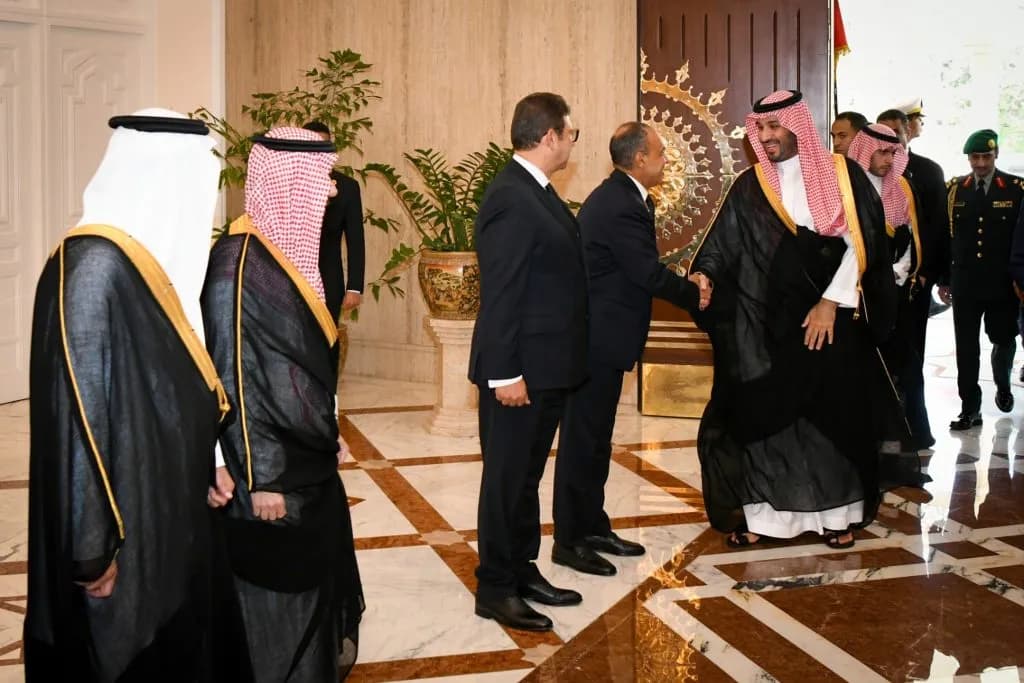
Aspen —Saudi Arabia’s crown prince reached out to Egypt for support against Yemen’s Houthi rebels on Tuesday, a move aimed at rallying political backing as the kingdom faces escalating threats to its shipping routes and oil exports.
Mohammed bin Salman traveled to Cairo to meet with Egyptian President Abdel-Fattah el-Sissi. The visit came at a critical juncture, with Houthi fighters having seized the Red Sea port of Mokha and three strategic islands near the Bab el-Mandeb Strait. These gains have disrupted key shipping corridors, contributing to a global spike in oil costs. For folks around here watching the pump prices climb, that disruption is becoming a tangible reality in their monthly budgets.
While Egypt is unlikely to provide direct military aid, its influence in the Arab world makes it a vital partner for coordinating a unified response. El-Sissi’s office described the support for Saudi Arabia as “unwavering,” though neither side offered firm details on specific next steps. The question is whether this diplomatic alignment can translate into tangible pressure on the Houthis before the conflict widens further.
Compounding the regional instability, Saudi Arabia’s East-West Pipeline is expected to remain shut down for weeks following attacks by Iranian-backed militias in Iraq. This closure takes several million barrels of oil a day off the market, tightening supply just as demand remains resilient.
In Yemen, the Houthi-run Health Ministry reported that Saudi airstrikes killed three people, including two children, in Taiz province. Anees al Asbahi, a spokesperson for the ministry, did not specify what the warplanes had targeted, and the Associated Press was unable to independently verify the claims.
Meanwhile, Yemen’s U.N. ambassador, Abdullah Al-Saadi, told an emergency Security Council meeting that the country’s forces are regrouping to regain control of the Bab el-Mandeb Strait. He argued that the fight against the Houthis has become an international issue, calling for effective implementation of the U.N. arms embargo to prevent further escalation.
The U.K. prime minister’s spokesman, Tom Wells, echoed this sentiment, stating that the Houthis “must cease their attacks immediately” and that Saudi Arabia and Yemen “have the right to defend themselves.”
With the U.S. military also reporting the destruction of two Iranian boats and Tehran issuing appeals for volunteers to handle assault rifles, the Middle East finds itself in a complex web of direct and proxy conflicts. For now, the focus remains on securing the Red Sea and stabilizing the oil markets, but the underlying tensions show no sign of easing.
Keep up with Aspen
The day's Western Slope news, one email each morning. Free.