Colorado Counties Face Medicaid and SNAP Funding Cuts
Colorado counties are bracing for significant funding cuts to Medicaid and SNAP programs, which could affect hundreds of thousands of residents and put a strain on local administration.
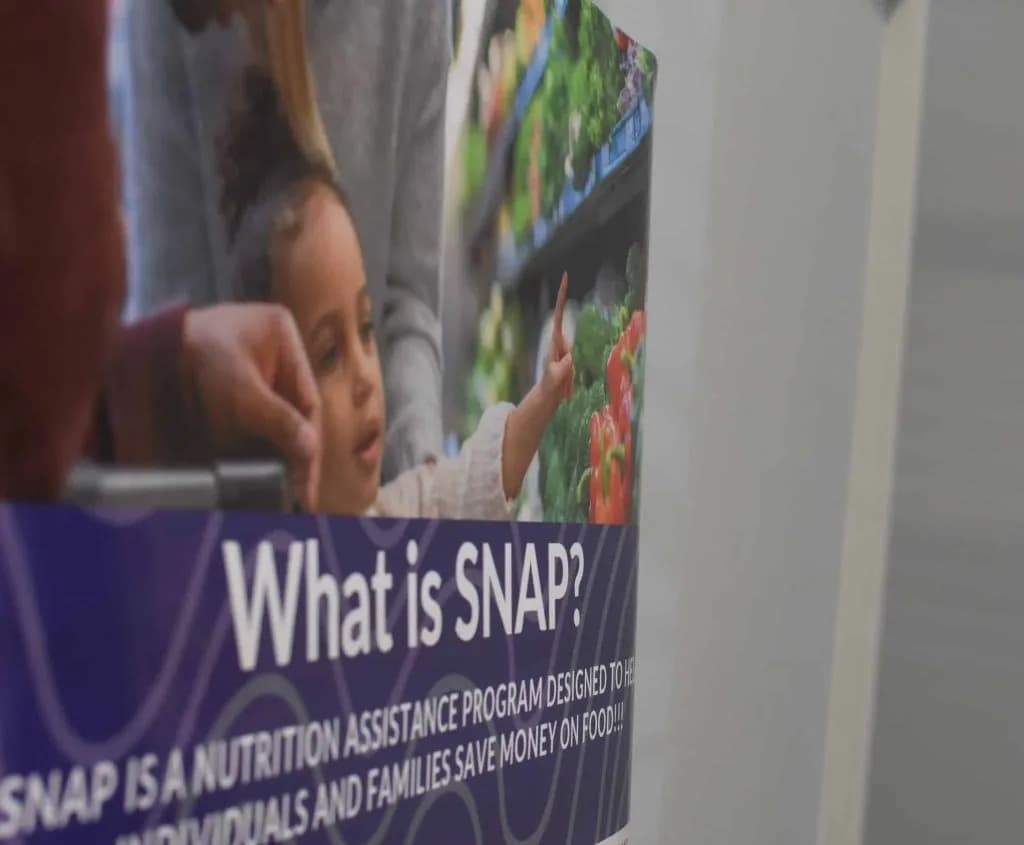
Aspen —Kelly Flenniken, executive director for Colorado Counties, Inc., says counties are "very worried" about the upcoming changes to Medicaid and SNAP — and for good reason. An estimated 377,000 Coloradans could lose Medicaid coverage, and nearly 300,000 could lose SNAP benefits, due to new work requirements and administrative burdens. That's a significant chunk of the state's population — and it's not just the individuals who will be affected. Counties, which administer these programs at the local level, will also feel the strain.
The changes, part of the One Big Beautiful Bill Act, will require states to reverify Medicaid eligibility twice per year, rather than annually, and ensure enrollees comply with new work requirements for these social safety net programs. This will mean a heavier workload for county officials, with "really extreme consequences for not doing it right," according to Flenniken. The state projects that counties may need to double their number of Medicaid case managers, which would mean an additional 3,700 new staffers statewide. That's a tall order, especially considering many local governments are already struggling with tight budget environments.
In Delta County, for example, the budget for social services is already stretched thin. The county spends around $1.5 million on Medicaid and SNAP administration each year, a fraction of the overall budget. But with the potential for hundreds of millions of dollars in federal funding cuts, counties like Delta will have to get creative to make up the difference. That's what's driving lawmakers like Sen. Judy Amabile to explore options for consolidating county-level health and human services operations. The goal, according to Amabile, is to make the system "more responsive and more effective and also more efficient."
The Joint Budget Committee has set aside $3 million to fund this effort in the next fiscal year's budget, which starts on July 1. But specifics are still being hashed out with county leaders, who are wary of regionalizing human services departments. Some county leaders feel that would be too disruptive to the current process, and would take autonomy away from other counties that administer those services. As one county official noted, "County systems are very good about serving people where they are"; a sentiment that's hard to argue with, especially in rural areas where access to services can be limited.
The short version is this: Colorado counties are facing a perfect storm of increased workload and decreased funding, all while trying to navigate the complexities of the new federal rules. It's a challenge that will require creative solutions and a willingness to think outside the box. Make no mistake, the stakes are high - and the consequences of failure will be felt by some of the state's most vulnerable populations. Worth watching is how lawmakers and county officials will work together to address these challenges, and what the ultimate impact will be on Western Slope residents who rely on these programs. Read that again: 377,000 Coloradans could lose Medicaid coverage. That's a number that's hard to ignore.
Keep up with Aspen
The day's Western Slope news, one email each morning. Free.