Mesa County Adopts Wildfire Codes for WUI Zone
Mesa County finalizes county-wide wildfire resiliency codes for the Wildfire Urban Interface, mandating vegetation management and specific landscaping to protect homes across all 11 fire districts.
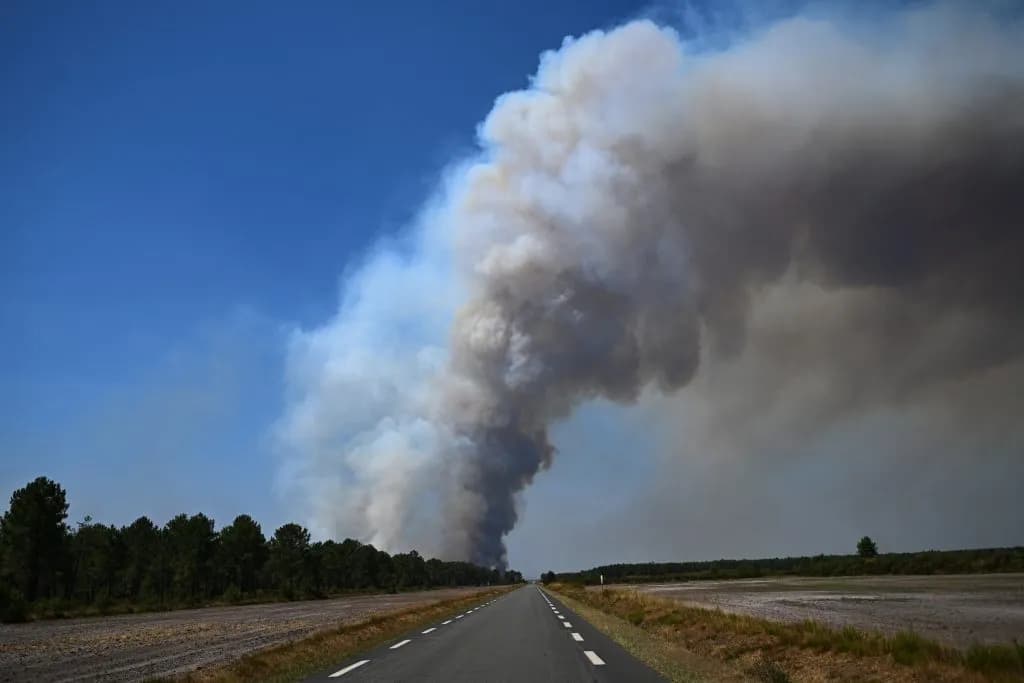
Grand Junction —The air in the WUI zone doesn’t just smell like pine and dust; it smells like potential energy, waiting for a spark to turn a quiet afternoon into a frantic evacuation. For years, neighbors in Mesa County have looked at the encroaching trees and dry brush and assumed that if the fire came, it would come, and they would deal with it. But the Board of Commissioners has decided that dealing with it isn’t enough anymore. They’ve adopted the final piece of the puzzle: county-wide wildfire resiliency codes, and they’re making them stick.
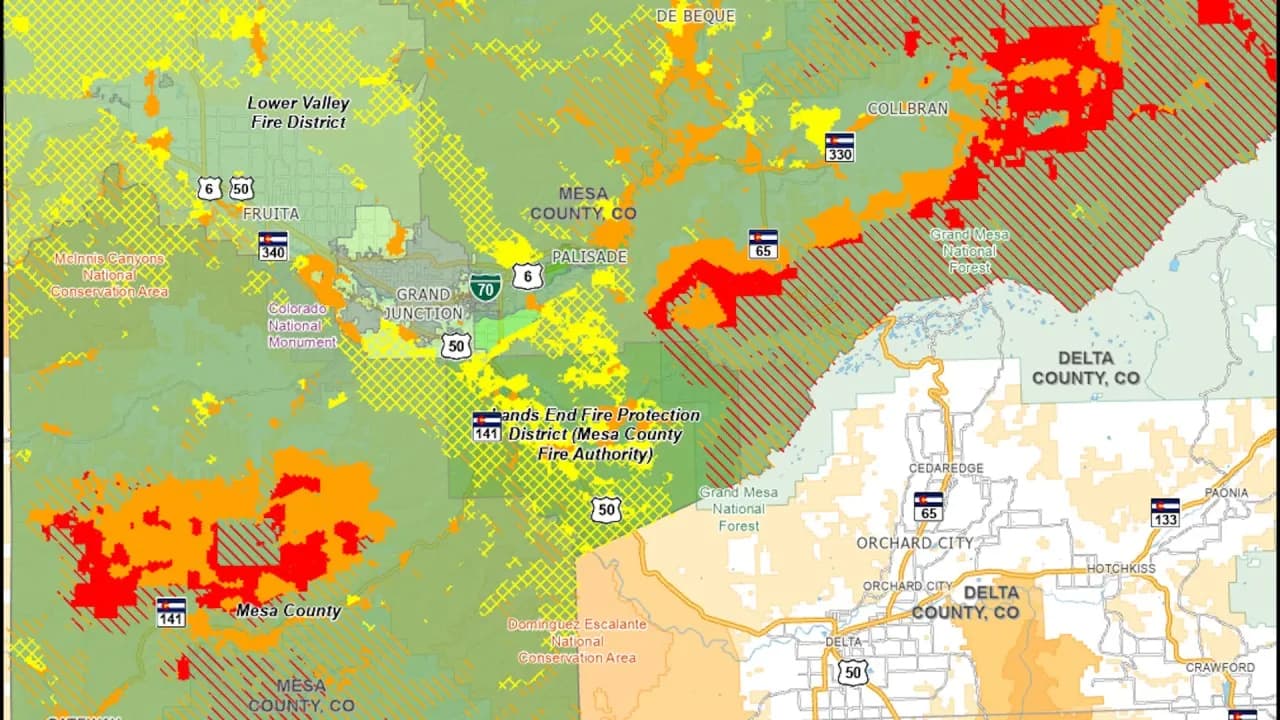
It’s a move that challenges the local instinct for autonomy, especially for folks who’ve lived in their homes for decades and never thought they’d need a permit to trim a branch. The regulations apply to all structures within the Wildfire Urban Interface, or WUI zone, covering all 11 fire districts in the county. This isn’t a pilot program or a gentle suggestion; it’s a state mandate that is currently in effect for new construction, new roofs, and home additions. You can feel the shift in the bureaucracy. The memorandum of understanding has been signed, the map is drawn, and the rules are live.
If you look closely at the logic behind the adoption, it’s less about control and more about survival. Darrell Bay, Mesa County’s Chief Building Official, put it plainly in reporting for Western Slope Now. He explained that the regulations prioritize resident safety over administrative convenience, even if the paperwork feels like a hurdle. “Our codes are something that mainly pertains to health and life safety. They’re not just there to make everybody’s life difficult. They’re there for a reason,” Bay said. The map identifies three intensive areas — low, medium, and high risk — and dictates exactly what requirements apply to your property when you pull a permit.
The specifics are tactile and grounded in physics. The codes demand specific landscaping and vegetation management to stop plants and trees from becoming kindling. Bay noted that the goal is to get limbs high enough above the roof so they aren’t sitting right on top of it, ready to drop embers. They want plants close to the structure to be easily ignitable, but not so close that they’re a fuse. It’s a delicate balance of pruning and placement, designed to keep the fire from leaping from the brush to the siding.
There’s a practical warmth to the enforcement strategy, too. Smaller fire districts in Plateau Valley, DeBeque, and Glade Park might not have the manpower of larger agencies like Palisade or the Lower Valley Fire District, so the county is stepping in to provide enforcement assistance. It’s a recognition that a code is useless if no one is checking it. Bay emphasized that this is about protecting your investment, even if you don’t like the process. “It’s not going to prevent something from burning, but if it’s on the edge, it’s likely to keep something from being taken down,” he said.
The real test will be how quickly the landscape changes. It’s not just about the big new builds rising on the edges of Grand Junction or along the highway corridors. It’s about the existing homes where a homeowner might hesitate to spend the money on fire-resistant materials or spend the weekend clearing the eaves. The codes are in place, the map is set, and the mandate is clear. You just have to decide if you’re going to wait for the smoke to rise before you start trimming.
Keep up with Grand Junction
The day's Western Slope news, one email each morning. Free.