Michael Salomone Chases Peacock Bass in Florida Canals
Fly fisher Michael Salomone details his decade-long pursuit of aggressive peacock bass in Florida canals, comparing their explosive fights to local largemouth opportunities near Gypsum Ponds.
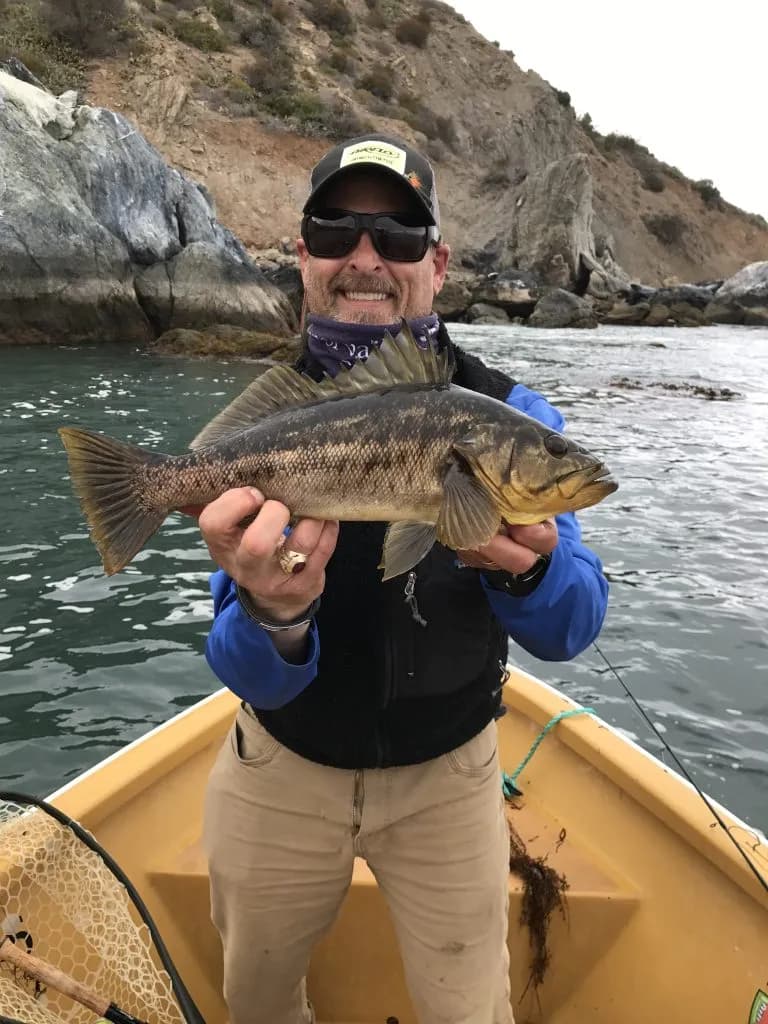
Aspen —In a canal in Florida, Michael Salomone casts a fly toward a patch of shadow near a limestone wall. The water is murky, the depth obscures the fly, and for a moment, nothing happens. Then the surface explodes. A peacock bass — a cichlid, not a true bass, but one that has earned its reputation through sheer aggression — smashes the fly.
Salomone, a long-time contributor to the Vail Daily and Fly Fisherman Magazine, has been chasing these fish on flies every year since 1996. He’s not just a local guide; he’s a student of the species, having documented his pursuits in pieces titled “Freaks on Flies” and “Canal Safari.” But his interest doesn’t stop at the exotic. He’s also spent time in Ohio, Wisconsin, Minnesota, and Pennsylvania, where he’s targeted the more familiar largemouth and smallmouth bass with the same delicate equipment.
The appeal, to hear him tell it, is in the variety. Largemouth bass are as ubiquitous as baseball and apple pie, found in farm ponds, rivers, and reservoirs across the country. In the Everglades, they face a constant onslaught from invasive species that decimate their fry and juvenile populations. In California, they’re frequently stocked for recreation. And locally, folks around here can find them in the Gypsum Ponds. Salomone notes that they get aggressive, often blowing up on big flies like frogs and mice when targeted with topwater poppers.
Smallmouth bass, by contrast, prefer the colder temperatures and moving waters of Northern states. The world-famous Clouser fly originated in Pennsylvania specifically for them, and they share that same topwater appetite. Salomone has fly fished for both species in the same water in states like Wisconsin and Ohio, noting that both can be very prolific.
The question is whether a fly fisher needs to travel as far as Florida to find that aggressive, explosive strike. The math holds up for many anglers who are tired of the passive nature of trout fishing and want a fish that fights back with intent. Peacock bass, originally from South America, were intentionally introduced into Florida waters to help cull other unrestrained non-native invasive species. They are efficient hunters, feeding on tilapia, Mayan cichlids, and oscars.
Sight fishing is the most exciting way to target them, Salomone says. These fish can be taunted into smashing your fly, but enticing them to actually eat is a challenging game. Casting flies to structure, around culvert pipes, bridge pilings, boat docks, and seawalls - is another productive approach. The canal walls, cut into the limestone rocks, are heavily textured and provide stealth to these ambush feeders.
For those who stay closer to home, the experience is different but no less valid. The Gypsum Ponds offer a local stage for largemouth bass, where the fight is real and the fly is the only tool. Salomone’s work suggests that the type of bass matters less than the method. Whether it’s a native largemouth in an Ohio river or an invasive cichlid in a Florida canal, the connection between the angler and the fish is forged through the fly.
Once on the hook, Salomone writes, the fight from a peacock bass beats most other freshwater fish of the same size. It’s a statement that speaks to the raw, unpredictable energy of these species. For the fly fisher, that unpredictability is the point.
“I have chased them in California,” Salomone wrote, referring to largemouth bass stocked for recreation. “And in Ohio last month, largemouth bass were my main focus.”
He doesn’t promise an easy catch. He promises a fight that respects the fly, and a fish that will make you work for it.
Keep up with Aspen
The day's Western Slope news, one email each morning. Free.