Mikaela Shiffrin and Lindsey Vonn Earn Top ESPY Nominations
Mikaela Shiffrin and Lindsey Vonn receive major ESPY nominations, highlighting Shiffrin’s historic slalom dominance and Vonn’s resilience following her Olympic crash.
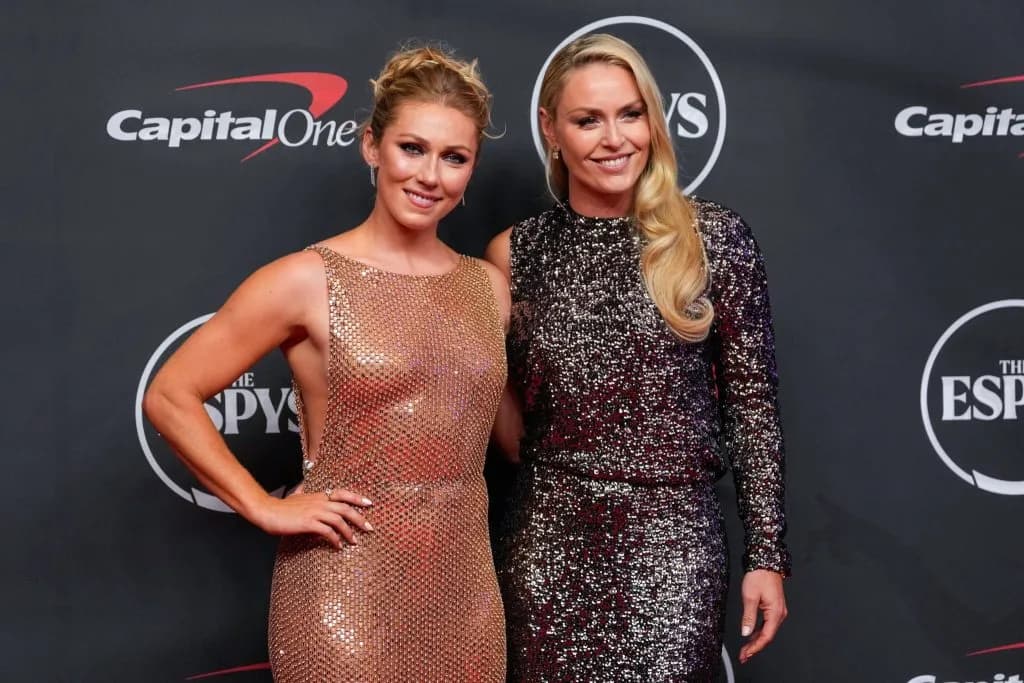
Aspen —The David H. Koch Theater in New York City hummed with the specific energy of July 15, where the lights dimmed and the ESPY Awards broadcast began. Mikaela Shiffrin sat in the audience, not as a guest of honor, but as a nominee. She had just secured Olympic slalom gold and cemented her status as the most decorated U.S. alpine skier in history, yet here she was, waiting to see if the sports world would crown her "Best Athlete" over WNBA star A’ja Wilson.
She didn’t win that night. Wilson took the award. But Shiffrin’s season had already secured her a spot on TIME 100’s Most Influential People list in Sports, joining names that matter to anyone who follows the Western Slope’s athletic heartbeat.
This isn’t just about trophies on a shelf. It’s about what happens when your local legends become global icons while you’re still commuting down I-70. The Aspen Times reported Tuesday that Shiffrin’s nomination was announced June 25, following a winter where she won nine of ten slaloms on the World Cup circuit. That performance pushed her career World Cup wins to 110. She claimed Olympic gold by a historic 1.5-second margin, a detail that matters because it wasn’t just a win; it was a statement.
And then there’s Lindsey Vonn.
While Shiffrin was celebrating perfection, Vonn was navigating the wreckage of a brutal Olympic downhill crash in Cortina. The 41-year-old was nominated for “Best Comeback Athlete,” a category that feels particularly relevant to folks who know the physical toll of living in these mountains. Vonn spoke to USA Sports about her recovery from a torn ACL, broken ankle, and fractured tibia.
“I have such a long way to go,” Vonn told reporter Renee Montgomery. “I still have no ACL, so I need to fix that. I need to get all the metal out of my leg and then we’ll assess.”
She spent six weeks in a wheelchair. She was on crutches for two-and-a-half months. Yet, she didn’t regret the crash that cost her a medal but secured her legacy as someone who goes for gold, not just silver.
“I wanted to come home with an Olympic medal,” Vonn explained. “I was going for gold and that’s what happens.”
The part everyone skips past is the emotional weight Shiffrin carried during that same season. She spoke with CNN’s Anderson Cooper about how her Olympic victory helped her process the death of her father in 2020. It was a quiet, human moment amidst the noise of crystal globes and ESPY nominations.
“I didn’t even start to dive into understanding the grief until after the Beijing Olympics,” Shiffrin told Cooper. She recalled a fan calling her three times, finally getting through to share a theory: Shiffrin didn’t want to experience a successful Olympics where her dad wasn’t at the finish line.
It was a weird conversation, she said. But she took it to heart.
Now, with ESPY nominations and TIME 100 recognition, Shiffrin and Vonn are more than athletes. They are anchors for a community that watches their every move, from the World Cup circuits to the local trails. The ESPY nominees included figure skater Alysa Liu, basketball player Jalen Brunson, and soccer legend Lionel Messi. Shiffrin stood alongside hockey player Hilary Knight, golfer Nelly Korda, and cross-country skier Johannes Høsflot Klæbo.
But for those of us on the Western Slope, the real story is in the details. It’s in the 110 wins. It’s in the metal still inside Vonn’s leg. It’s in the grief processed at 1.5 seconds ahead of the field.
Shiffrin and Vonn didn’t just win races. They won our attention, and now, they’re winning the world’s.
Keep up with Aspen
The day's Western Slope news, one email each morning. Free.