Conservation Groups Sue Trump Administration Over Endangered Species Rule
Conservation groups filed a July 14 lawsuit challenging the Trump administration’s new Endangered Species Act rule, arguing that stripping habitat destruction from the definition of 'harm' threatens wildlife survival.
Glenwood Springs —Alli Henderson didn’t mince words when the federal government decided to rewrite the rules on how we protect wildlife. She called it a “death sentence for beloved wildlife in Colorado and beyond.”
Henderson, the Southern Rockies director and senior attorney for the Center for Biological Diversity, was speaking on July 14. That was the day the U.S. Fish and Wildlife Service published its final rule. The agency killed a long-standing provision of the Endangered Species Act. They did it in the name of government efficiency. They did it to deregulate.
The specific target was the definition of “harm.”
For decades, that definition included habitat destruction. If you ruined the home, you harmed the animal. The new rule strips that away. Now, the government argues, it’s only illegal to kill the animal itself. Destroying its food, its shelter, its water source? That’s fair game.
U.S. Department of the Interior Secretary Doug Burgum sold the change in a news release. He said federal agencies had abused the act for years. They obstructed lawful land use. They burdened American families and businesses. Routine activity had become a regulatory trap. Costs went up. Federal authority expanded beyond what Congress intended.
Burgum said this action restores common sense. It respects private property. It provides certainty for landowners. It follows the statute Congress actually passed.
The short version: The Trump administration wants to return the act to its “actual text and original intent.” They want to end “years of federal overreach.”
Henderson sees it differently. Habitat destruction is the No. 1 threat to endangered species. Tossing out the definition ignores that reality. It allows any and all destruction of everything the animal needs to survive. The animal might still be alive, but it can’t live long if its home is gone.
The Center for Biological Diversity didn’t just complain. They sued. They filed a lawsuit on July 14 against the Trump administration over the rule change. Several other conservation groups joined in. The lawsuit alleges the move is illegal. Harming species through habitat destruction is prohibited by the law’s statutory language. It goes against legal precedents.
The Endangered Species Act started in 1973. Congress passed it because populations of plants and animals were declining. Human and economic development was eating up the landscape. The goal was to protect and recover species on the brink of extinction.
One primary method was barring the “take” of any protected species. The act defines take broadly. It includes harassing, hunting, shooting, wounding, killing, trapping, capturing, or collecting.
Harm was included in that initial definition of take. Two years after the act was passed, the Fish and Wildlife Service adopted a specific definition of “harm.” It included habitat destruction or degradation. This new rule undoes that.
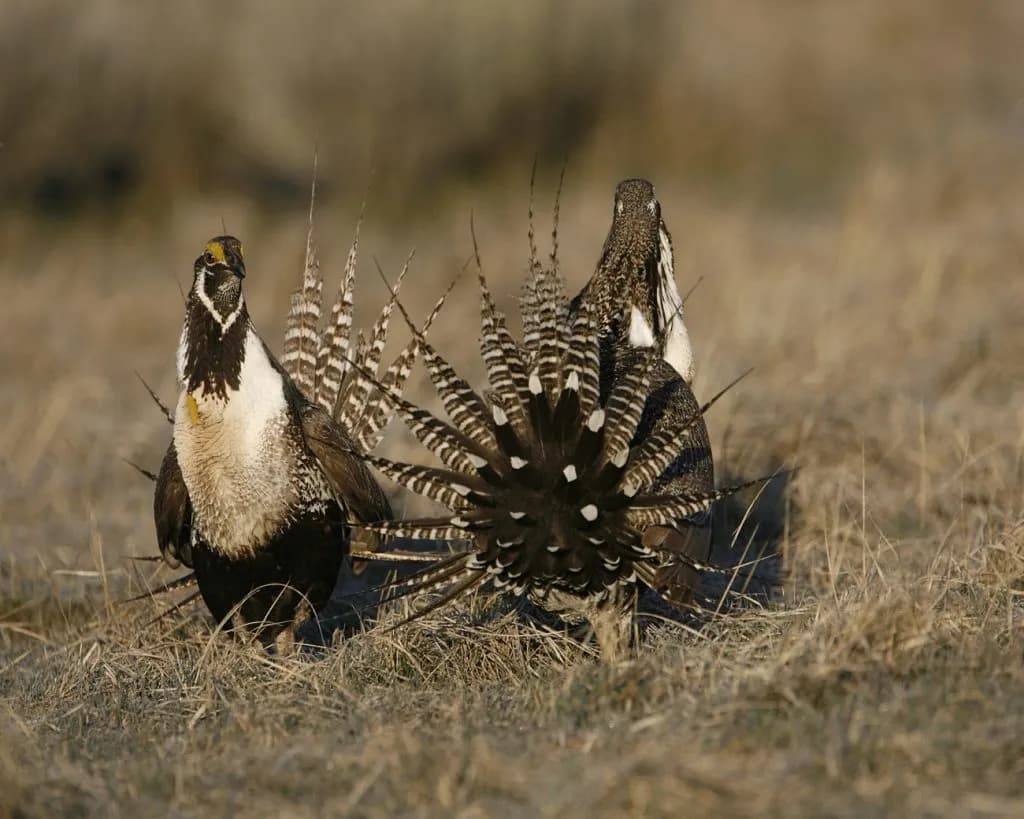
Locals who rely on the land for more than just property value are watching closely. The Western Slope isn’t just a map. It’s a network of valleys, rivers, and ridges where species like the Gunnison sage-grouse or the Colorado cutthroat trout depend on specific conditions. If those conditions change because the federal government says “go ahead and pave it,” the species don’t just move. They disappear.
Burgum says this brings certainty. Landowners will know what to expect. But Henderson argues that certainty comes at a cost. It’s the cost of extinction. The lawsuit is the next step. The courts will decide if the administration’s interpretation of “harm” holds up or if the original intent of the 1973 law stands.
Until then, the definition of harm is in flux. And wildlife is left waiting.
Keep up with Glenwood Springs
The day's Western Slope news, one email each morning. Free.