Councilor Frames Stagecoach Mountain Ranch as Economic Lifeboat for Routt County
Councilor Michael Buccino highlights the $29 million annual property tax potential of the 6,100-acre Stagecoach Mountain Ranch project as a crucial economic pivot for Routt County following the 2028 closure of Hayden Station.
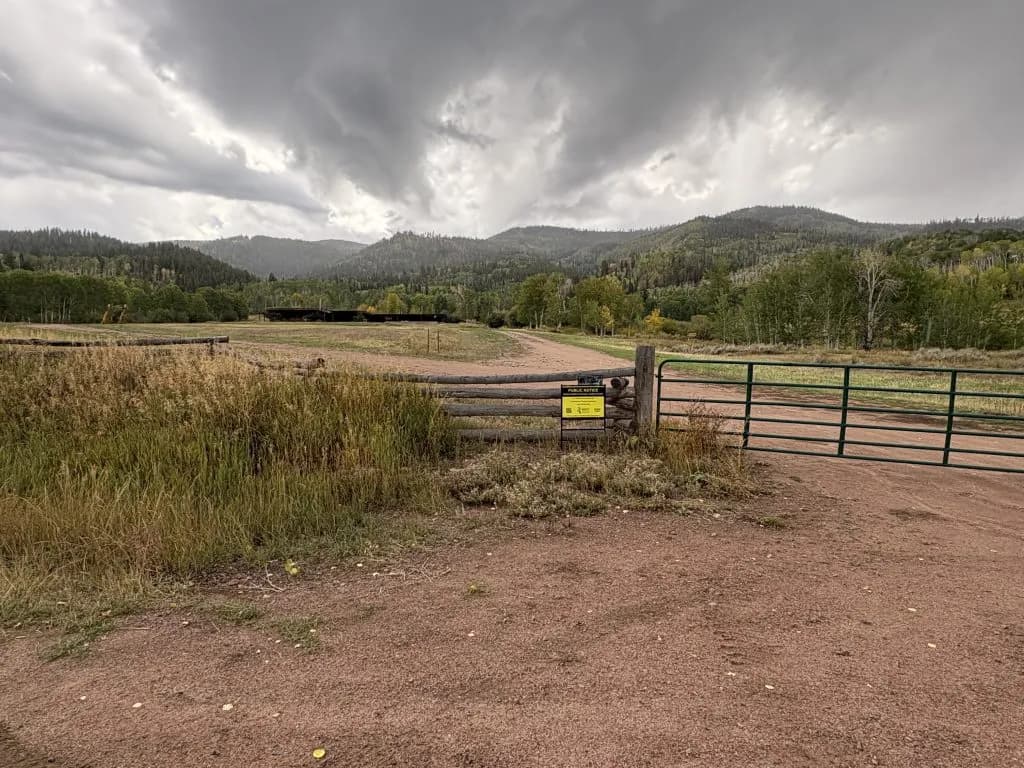
Steamboat Springs —The wind off the reservoir cuts differently in late June. It’s not the biting chill of January, but the air still carries that high-country weight, a reminder that the valley floor is just a basin for the mountains that loom over it. In that space, between the Stagecoach Reservoir and the distant peaks, Discovery Land Company is trying to draw a new map.
A $29 million annual property tax haul. That’s the number Steamboat Springs City Councilor Michael Buccino is holding up to the light.
It’s a staggering figure for a county with a general fund that, by comparison, looks like a grocery budget. Buccino submitted formal comments to Routt County commissioners and the Planning Commission on Tuesday, outlining why this 6,100-acre private ski area and luxury residential development might be the economic lifeboat the Western Slope needs as its old engines sputter.
Let’s do the math on what that $29 million actually buys. Discovery’s vice president of architecture and planning, Kyle Collins, told the Steamboat Pilot that this figure represents the tax revenue at full buildout. That single number exceeds the entire 2024 general fund for Routt County. On top of that, the project is projected to generate an estimated $12 million annually for the South Routt School District.
This isn’t just about shiny condos. It’s about keeping the lights on for schools and roads when the coal industry finally pulls the plug.
Buccino, in a letter dated June 25, didn’t just nod politely. He framed Stagecoach Mountain Ranch as a necessary pivot point. He noted that Routt County is entering a period of “structural economic transition,” specifically citing the closure of Hayden Station set for 2028. When the coal money dries up, something has to fill the void. This project, he argued, is that something.
“The scale of potential fiscal benefit is directly relevant to the valleys’ ability to fund schools, roads, emergency services, and public infrastructure in the decade ahead,” Buccino wrote.
He’s betting on the residents. Not just the people buying the luxury units, but the workforce housing, too. The plan includes 613 luxury units and 137 workforce housing units, with 95 of those marked as affordable housing accessible to the public. Buccino’s argument is that this housing stock allows the working class to stay put, rather than being priced out into the next county over.
And there’s the sales tax angle. Steamboat Springs has long sought to extend its economic vitality beyond peak ski season. Lift-ticket tourism is weather-dependent. A private residential community with members visiting across multiple seasons offers a different kind of demand. It’s less volatile. It’s less likely to vanish if April showers don’t bring May flowers.
But Buccino was careful. He didn’t hand out a blanket endorsement. He didn’t scream “yes” or “no.” He offered a “straightforward accounting” of the benefits so commissioners could weigh them against the legitimate questions the project raises. He’s an elected official, but these are his views, not necessarily the council’s collective will.
The project itself is a beast. 6,100 acres. A private ski area. Luxury residences. The property has long-standing entitlements that historically contemplated over 3,000 residential units. Discovery’s current application is much smaller, just 613 units, but the scale is still massive.
The Routt County Planning Department is currently wrapping up a second round of review. They’re likely to issue another corrections letter to Discovery Land Company, according to planning staff in late June. Public hearings are still months away. We’re not voting on this tomorrow. We’re not voting on this next week.
But the numbers are already here. $29 million in property taxes. $12 million for schools. It’s a lot of money to throw at a valley that’s watching its primary industries change. If the project delivers, it changes the tax base for everyone. If it doesn’t, we’re left with 6,100 acres of dirt and a lot of paperwork.
For now, the ball is in the court of the commissioners. They have to decide if the promise of a post-coal economy is worth the risk of a private ski resort in their backyard.
Keep up with Steamboat Springs
The day's Western Slope news, one email each morning. Free.