Glenwood Springs Council Postpones Ride Fare Hike Amid Data Gaps
The Glenwood Springs City Council voted to delay raising Ride Glenwood fares, seeking more data on revenue and usage patterns before committing to a price hike that could significantly impact riders.
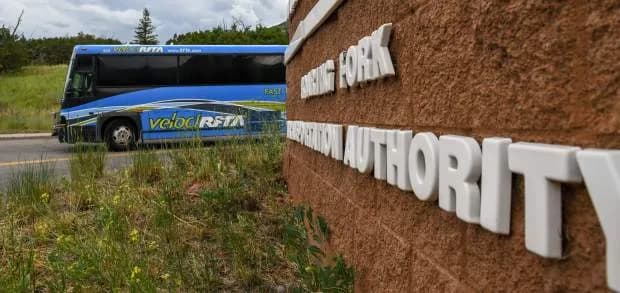
Glenwood Springs —The hum of the Ride Glenwood shuttle engine cuts through the morning chill near the Glenwood Canyon Bridge. Passengers wait on the curb, phones in hand, eyes fixed on the app. They know the fare is a dollar. It’s cheap. It’s familiar.
The Glenwood Springs City Council decided Thursday that familiarity is worth keeping, at least for now. They postponed the vote on raising rates for Ride Glenwood On-Demand. The council wants more data before asking riders to pay more. They want to know how the service fits into the city’s broader transportation puzzle.
Currently, a trip costs $1. That price drives demand. It also keeps the budget tight. City Engineer Ryan Gordon presented several options to the council. The simplest fix is a flat-rate increase to $3 for all trips. A more complex option uses zones. Trips within one zone stay at $2. Cross two zones, and the fare is $3. Span three zones, and riders pay $4.
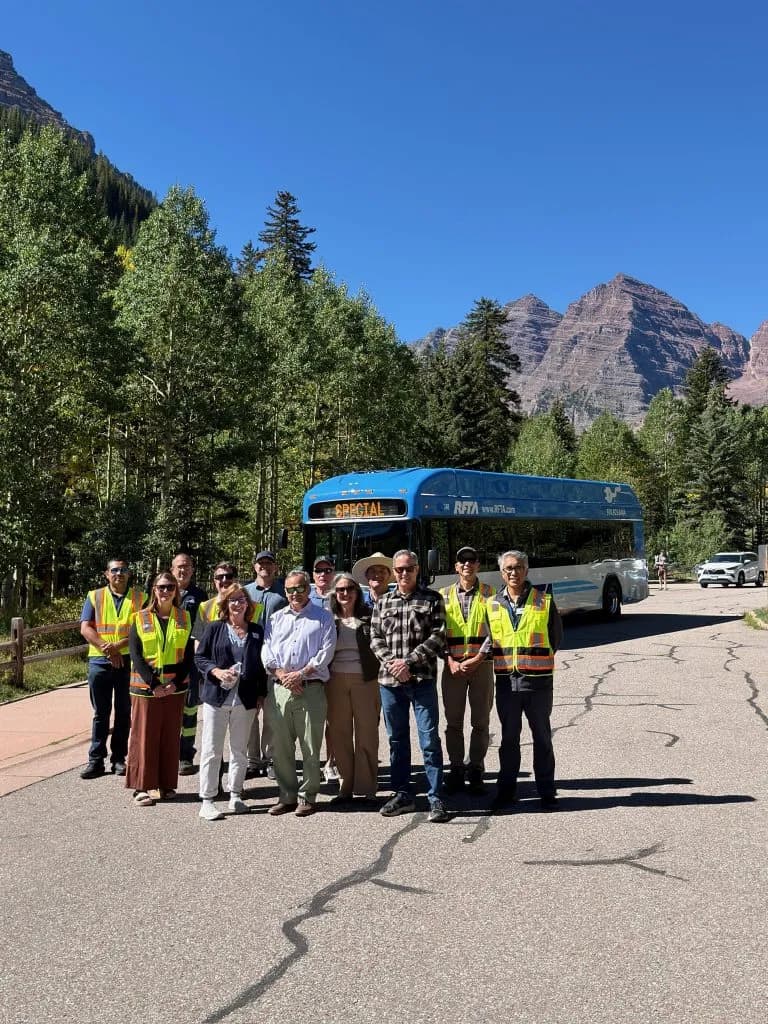
Gordon also proposed keeping the fare at $1 for trips connecting to major Roaring Fork Transportation Authority (RFTA) hubs. This move aims to encourage riders to switch between local shuttles and regional buses.
“This is our first step toward a more nuanced approach to making the project self-sustaining,” Gordon said.
The numbers tell a stark story about sustainability. The total cost of the program is roughly $1 million annually. RFTA currently covers nearly half that through “first and last mile” grants. Glenwood Springs contributes just over $500,000 this year. Without the RFTA subsidy, the fare would need to jump to $12 per trip to break even.
That’s a massive increase for a service people already use daily.
Council members weren’t convinced the city had enough information to make that jump. Councilman Sumner Shacter asked if staff had analyzed the revenue generated by each pricing option based on actual usage patterns.
Gordon admitted they hadn’t fully performed that exercise. The city and Downtowner, the company operating the service, have data on passenger pickup and drop-off points. They just haven’t crunched the numbers to predict revenue under new pricing structures.
“Certainly, we can do that if we want to before implementing a fare increase,” Gordon said.
The debate quickly moved beyond simple price tags. Councilman Mitchell Weimer expressed frustration over the money spent without clear results. The current $1 fare might be artificially inflating demand. Is the city getting enough value from the program? Should fixed-route services adjust using the data already collected?
“We’ve learned where passengers get on and off, and we’ve learned that people really like the one-dollar taxi ride,” Weimer said. “That’s, literally, all we’ve learned.”
The council did not vote to raise rates. They voted to wait. They want to see if the data supports a hike before committing to it. If they raise rates too soon, they risk losing riders who are sensitive to price. If they wait too long, the city continues subsidizing a service that could potentially stand on its own.
The short version: The City Council is buying time. They are trading immediate revenue for certainty. Locals will continue paying $1 for now. The question is whether that price reflects the true cost of moving people through Glenwood Springs, or if it’s just a habit we’ve grown accustomed to.
Keep up with Glenwood Springs
The day's Western Slope news, one email each morning. Free.