Mistletoe Extracts Show Promise In Veterinary Cancer Therapy
Veterinarians are adopting mistletoe extracts as adjunct cancer therapies, citing specific anti-tumor mechanisms. The host tree species determines the bioactive profile, influencing treatment selection for various animal cancers.
Glenwood Springs —The most common plant on your Christmas tree is a parasite that has been dying slowly for at least 15 years before you hang it.
It’s a detail that tends to get lost in the tinsel and the forced cheer of December. But if you look closely at that bough, you’re looking at a biological oddity with a complicated history and a surprising medical future.
To hear them tell it, the mistletoe isn’t just decoration; it’s a complex therapeutic agent that is finally getting its due in the veterinary world.
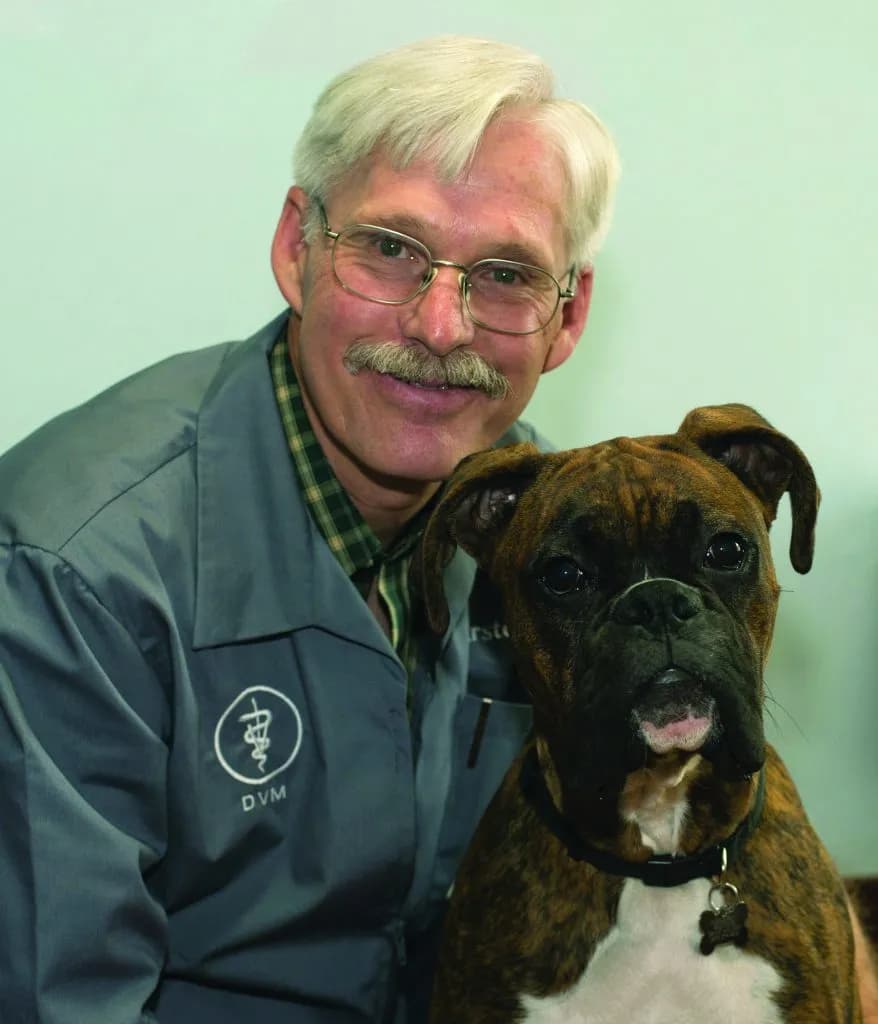
Dr. Carsten, writing for the Post Independent, points out that most of what we use during the holidays is artificial. The real thing has a name that translates to “dung on a twig.” It’s a parasitic plant. Birds eat the berries, deposit the seeds in their feces on tree branches, and the plant takes root there. It stays green through the winter, but it doesn’t produce berries until it’s four or five years old. And before you strip the branches for your mantle, the plant is often 15 years old.
That age matters because of what’s inside the leaves and twigs.
Historically, people used mistletoe for cardiovascular problems, digestive disorders, and pain. They soaked the leaves in cold water or brewed them as tea. The berries were too toxic to swallow, so they were used externally as an ointment. Carsten notes that there is concern for toxicity with all parts of the plant in pets, which is a significant factor for anyone who keeps holiday traditions and animals in the same household.
The modern application is where it gets interesting. The focus has shifted to extracts of Viscum album. These extracts bypass the toxicity issues that plague the raw plant. Carsten writes that these extracts gained attention in 1904 and were advocated as a cancer therapy in Europe around 1916. Today, they are used alongside conventional treatments for both people and animals in the U.S.
The mechanism is specific. The extract has direct anti-cancer effects, inhibits blood vessel growth into tumors, and stimulates immune cells. It also elevates beta-endorphins, which improves the feeling of well-being, and protects normal tissues.
The question is whether the plant you’re looking at actually contains those specific benefits. The answer depends on who you ask, but the data suggests it matters which tree the mistletoe is growing on.
Mistletoe grows on apple, oak, fir, pine, and elm trees. The host tree influences the amounts of bioactive factors in the harvested plant. Those factors include lectins, viscotoxins, and phenolic acids. The ratio of each compound varies markedly depending on the host tree and the time of year it is harvested.
This isn’t a one-size-fits-all product. Carsten explains that for clinical use, the profile of the bioactive factors drives the decision about which host tree extract should be used. Each host tree has specific indications and cancer types it is suited for.
The harvesting process is regimented. Mistletoe is harvested two to four times per year depending on the brand. The ratio of male and female plants is balanced, and each season’s extracts are blended into the final product.
It’s a far cry from the Victorian romanticized addition to Norse legends that most people associate with kissing under the bough. But that history is real, and so is the biology.
For folks around here who are debating whether to buy a real bough or stick with the plastic, Carsten offers a perspective that shifts the conversation from romance to science. The plant is a parasite, yes. But in its extract form, it’s becoming a tool for healing that has been used for over a century.
The next time you look at that green bough, you’re not just looking at a tradition. You’re looking at a 15-year-old parasite that has been carefully harvested, processed, and blended to fight disease.
Carsten closes with a look at the future of this therapy in veterinary medicine, noting that as research continues, the specific applications for these extracts will likely expand. The plant has a long history of use for protection, fertility, and healing, and modern science is finally catching up to what the old legends hinted at.
Keep up with Glenwood Springs
The day's Western Slope news, one email each morning. Free.