Mountain Counties Face Increased Trash Fees Due to New Emission Regulations
New state emission regulations may force mountain counties to increase trash fees, leaving local officials to find solutions to the financial burden.
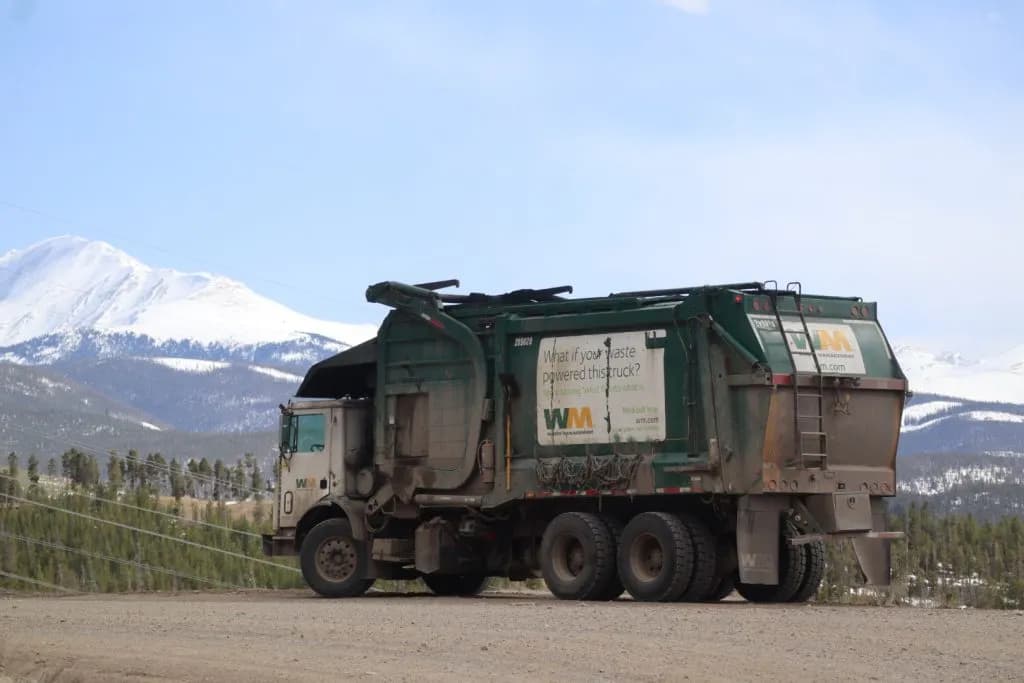
Steamboat Springs —As I stood at the edge of the Pitkin County landfill, the wind carried the faint smell of decay and earth, a reminder of the delicate balance between human activity and the environment. The snow-capped peaks of the Rocky Mountains rose in the distance, a stark contrast to the mundane, yet crucial, operation of waste management. But amidst the natural beauty, a challenge is brewing - one that could impact the wallets of folks around here. New state emission regulations for landfills, aimed at reducing methane emissions, may force mountain counties to hike trash fees, leaving local officials scrambling for solutions.
The rules, passed by the Colorado Air Quality Control Commission, require landfills to install new pollutant control and monitoring systems, end open flare burning of methane, and be equipped with biofilters. While the intention is to improve air quality, the cost of compliance is a significant concern for rural counties with publicly-owned landfills. Kelly Flenniken, executive director of Colorado Counties, Inc., notes that "several of these counties would be looking at many millions of dollars to buy this equipment in order to be compliant." The financial burden is not insignificant, and counties are struggling to balance the requirement with other obligations.
In Garfield County, officials estimate that the regulations could cost $2 million to $2.5 million in upfront costs, with upwards of $100,000 in annual operating costs. Deb Fiscus, the county's landfill director, acknowledges that these costs will lead to an increase in tipping fees, although the exact amount is still unknown. Similarly, Pitkin County and Summit County are facing significant expenses, with projected costs ranging from $3 million to $3.5 million in upfront costs, and additional yearly operating expenses. The financial strain is evident, and counties are exploring ways to mitigate the impact on residents.
Summit County Commissioner Tamara Pogue expresses her concern about the potential increase in tipping fees, citing the county's already strained budget. "We have been concerned that we will already have to do a tipping fee increase," she says. As someone who has worked to create fiscal relief for Summit County residents, Pogue is hesitant to impose additional costs on an already burdened community. The challenge is real, and lawmakers are seeking a solution.
State lawmakers are currently considering Senate Bill 101, which would allow landfill owners to access funds from the state's community impact cash fund to help pay for new methane capture and monitoring systems. The bill aims to provide financial relief to counties struggling to comply with the new regulations. Lawmakers will need to find a solution during this legislative session, and the community will be watching closely as they navigate this challenge. The question on everyone's mind is, what will be the ultimate cost of compliance, and how will it affect the daily lives of folks around here? The uncertainty lingers, like the faint smell of decay on the wind.
Keep up with Steamboat Springs
The day's Western Slope news, one email each morning. Free.