Netanyahu Authorizes Direct Lebanon Talks as Airstrikes Intensify
Israel authorizes direct negotiations with Lebanon while intensifying airstrikes in Beirut, signaling a high-stakes leverage play rather than a peace deal, with global oil markets watching Iran's control of the Strait of Hormuz.
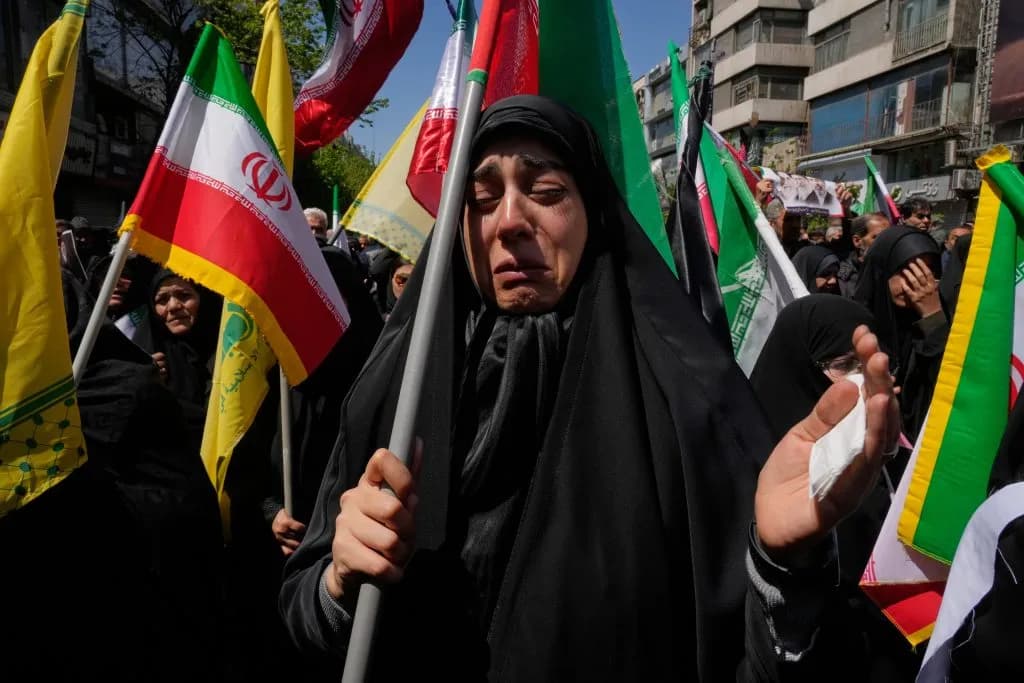
Aspen —A direct line to Tehran’s biggest proxy. That’s the headline. But look closer at the players and the geography, and the story isn’t about peace — it’s about leverage.
Israeli Prime Minister Benjamin Netanyahu authorized direct negotiations with Lebanon “as soon as possible.” The goal? Disarm Iranian-backed Hezbollah militants and establish relations between the two neighbors. On paper, it’s a diplomatic breakthrough. In practice, it’s a high-stakes poker game where the chips are airstrikes and the currency is oil.
Let’s do the math on the stakes. Israel and Lebanon have technically been at war since 1948. Netanyahu stressed there is no ceasefire between them. He’s keeping the strikes coming until security is restored in northern Israel. The U.S. is facilitating the talks, with Michel Issa representing Lebanon and Yechiel Leiter representing Israel. Who represents whom on the other side? Unclear. The timing? Next week, at the State Department in Washington.
But here’s the contrarian twist: this isn’t a softening of tensions. It’s a consolidation of pressure.
The prospect of talks bolstered the tentative ceasefire in the Iran war, sure. But that ceasefire is staggering. It’s weighed down by Israel’s bombardment of Beirut, Tehran’s chokehold on the Strait of Hormuz, and the sheer uncertainty of whether either side actually wants common ground. U.S. President Donald Trump didn’t mince words. He took to social media to cast doubt on the deal’s effectiveness, noting that Iran is “doing a very poor job, dishonorable some would say, of allowing Oil to go through the Strait of Hormuz.”
“That is not the agreement we have!” Trump wrote.
The disconnect is glaring. Netanyahu authorized talks while Israel pounded Beirut with airstrikes — the deadliest day in Lebanon since the war began Feb. 28. So, we have direct negotiations happening in Washington, while the actual ground war intensifies in Lebanon. It’s a classic dual-track approach: talk with one hand, hit with the other.
The logistical reality for locals watching the global markets is that this volatility hits home. The Strait of Hormuz is a crucial waterway for oil. If Tehran closes it, or mines it, as semiofficial Iranian news agencies suggested; they’re squeezing the global economy. Trump warned that U.S. forces would hit Iran harder if they didn’t fulfill the agreement. The threat is immediate. The impact is on your gas pump.
Reaching a final agreement will be difficult. Decades of hostilities don’t vanish because two ambassadors meet in Washington. Hezbollah remains. The shared land border remains a point of contention. Israel sent troops into Lebanon last month in response to cross-border fire. The infrastructure of war is already in place; diplomacy is just trying to find a way to turn it off without blowing up the switch.
The bottom line? This authorization doesn’t mean the shooting stops. It means the U.S. is betting that direct pressure on Hezbollah’s leadership, combined with the threat of continued Israeli airstrikes, will force a concession. If Iran doesn’t keep the oil flowing, the talks might just be a prelude to a bigger fight. Locals aren’t just watching a diplomatic drama; they’re watching the supply chain tighten.
Keep up with Aspen
The day's Western Slope news, one email each morning. Free.

The digital counter on the side of the bus in Carbondale ticks over, but the seats inside are half-empty

Eagle County Launches Aging Well Roadmap To Keep Seniors Housed