Northwest Colorado Report Warns Diversions Threaten Headwaters Economy
A new Northwest Colorado report warns that record-low snowpack and transmountain diversions consuming up to 80% of streamflow threaten the tourism-dependent headwaters economy.
Aspen —Kristin Green, the director of the Northwest Colorado Council of Governments Water Quality/Quantity Committee, knows exactly what happens when the snow doesn’t stick. She points to the 2025-26 winter, which delivered a record-low snowpack, followed by intense heat in March. The result was a system out of sync.
“Streamflows peaked early and at record-low levels,” Green noted. “When reservoirs and streams are depleted, local communities suffer acute consequences, especially when peak flows and snowpack are out of sync with vacation and holiday seasons.”
That timing mismatch is the core of the economic anxiety now gripping the region. The new report from the Council of Governments highlights the vulnerability of Eagle, Grand, Gunnison, Pitkin, Routt, and Summit counties. These “headwaters counties” are critical because they generate the water that supports tourism, agriculture, and the broader Colorado economy. The question is whether the current infrastructure can handle the volatility.
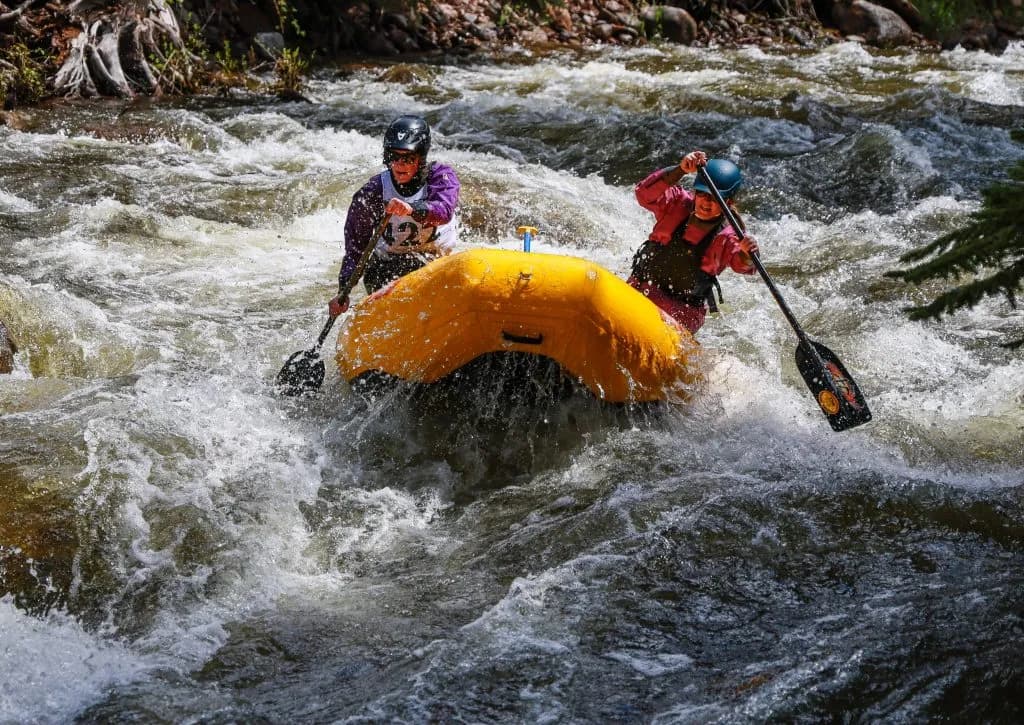
To hear them tell it, the threat isn’t just about running out of water; it’s about the water arriving when it’s useless. For a ski resort or a rafting company, a dry river in July is a closed business. The report identifies 16 existing transmountain diversion projects in these six counties, with more under consideration. These diversions move water east to the Front Range, but they take a significant toll on local flows.
The math holds up, though it’s not pretty. In an average year, transmountain diversions can consume up to 62% of the available streamflow in these subbasins. In a drought year, that figure climbs to 80%. That leaves very little buffer for the local economy. The report argues that water operations need to be leveraged to alleviate environmental degradation and maximize recreational flows, rather than just serving downstream users.
The stakes are high because these counties aren’t just producing water; they’re producing an economy. If the water stops, the tourism stops. If the tourism stops, the tax base shrinks. It’s a direct line from a dry reservoir to a tight budget.
Green sees a path forward, but it requires a shift in how the region manages its most valuable asset. She believes the headwaters economy is a benefit to all of Colorado, but it needs protection.
“Moving forward, water operations should be leveraged to alleviate environmental degradation and maximize recreational flows in the headwaters counties,” Green said. “A robust headwaters’ economy benefits all of Colorado and is impacted by water users across the state.”
Keep up with Aspen
The day's Western Slope news, one email each morning. Free.