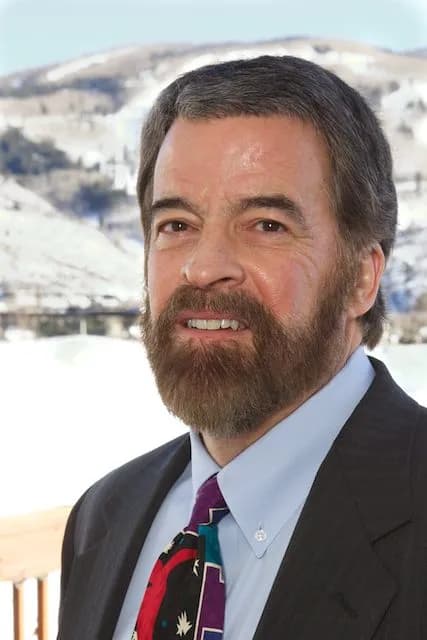
Norton Advocates Quiet Confidence Over Volume in Vail Leadership
Vail Daily columnist Norton argues that true leadership relies on quiet confidence and listening rather than volume, urging residents to value prepared action over performative certainty in local governance.

Aspen —The morning light hits the granite faces of the Elk Mountains with a clarity that feels almost aggressive, cutting through the thin, cold air of the Upper Valley. Inside the conference rooms of local government and the boardrooms of family-owned businesses along Highway 6, a different kind of tension is building. It’s not the noise of construction or the rumble of heavy trucks on the pavement; it’s the subtle, exhausting friction of personalities clashing over who gets to speak, and who actually has something to say.
In a recent opinion piece for the Vail Daily, columnist Norton explores this dynamic, arguing that the loudest voice in the room rarely carries the most weight. It’s a sentiment that resonates deeply with anyone who has sat through a town hall meeting where a single official dominates the microphone for twenty minutes, delivering a monologue that says surprisingly little. Norton writes that true presence isn’t about volume or duration, but about a "quiet confidence" that is prepared, not passive. It’s the difference between someone who needs to dominate the conversation and someone who has already done the work, leaving them ready for thoughtful debate rather than performative certainty.
We’ve all experienced the opposite, too, probably more often than we’d like. Some people seem convinced that if they say it louder, longer, and more often, it must be more important. Spoiler alert: It usually isn’t. Their words are plentiful, but their message is surprisingly thin. Instead of leaving inspired, we’re mentally checking the clock and wondering if the meeting has an emergency exit.
Norton, who has spent years observing leaders in various capacities, notes that the best among them don’t chase the spotlight; they shine it on their teams. They are quick to celebrate someone else’s success and slow to claim credit for their own. This isn’t just abstract philosophy for the Western Slope, where community cohesion often hinges on who listens to whom. In a region where everyone knows everyone, arrogance doesn’t just annoy; it isolates. When a leader mistakes volume for value, they risk losing the trust of the neighbors they serve.
The article suggests that we still get to decide who occupies space in our minds. We may not always be able to avoid difficult personalities at work or in our social circles, but we can choose how much influence we give them. It’s a practical strategy for the long commute home on I-70, where the stress of the day’s interactions lingers. If we allow the "verbal ping-pong" of insecure confidence to linger, we drain our own energy. But if we seek out those who listen before they lead, who coach before they criticize, we find a steadier ground.
There’s a warmth to this kind of leadership that you can feel, even in a sterile office. It’s the difference between a gallery that feels like someone’s living room and one that feels like a cathedral of art. The former invites you in; the latter demands you kneel. Norton argues that quiet confidence frees us from the need to constantly perform, allowing us to focus on the actual work at hand. It’s a reminder that in a place as rugged and beautiful as the Roaring Fork Valley, stability isn’t about shouting the loudest. It’s about standing firm, listening closely, and letting your actions do the introducing.
Outside, the wind picks up, rattling the dry sagebrush against the fence posts near the airport. It’s a sound that doesn’t need to announce itself. It just is.
Keep up with Aspen
The day's Western Slope news, one email each morning. Free.