Otero County Preservation Officer Warns of Historic Site Risks From Federal Rule Changes
Otero County preservation officer Rebecca Goodwin warns that proposed federal rule changes to Section 106 could strip local input and increase risks for historic sites like Bent’s Old Fort.
Rebecca Goodwin was in Minneapolis teaching a training session when the news hit. She was at a conference for the National Alliance of Preservation Commissions. The proposal was simple on paper: shrink the definition of historic sites and cut out state, local, and tribal input.
But for Goodwin, preservation officer for Otero County, it was a threat to everything she protects.
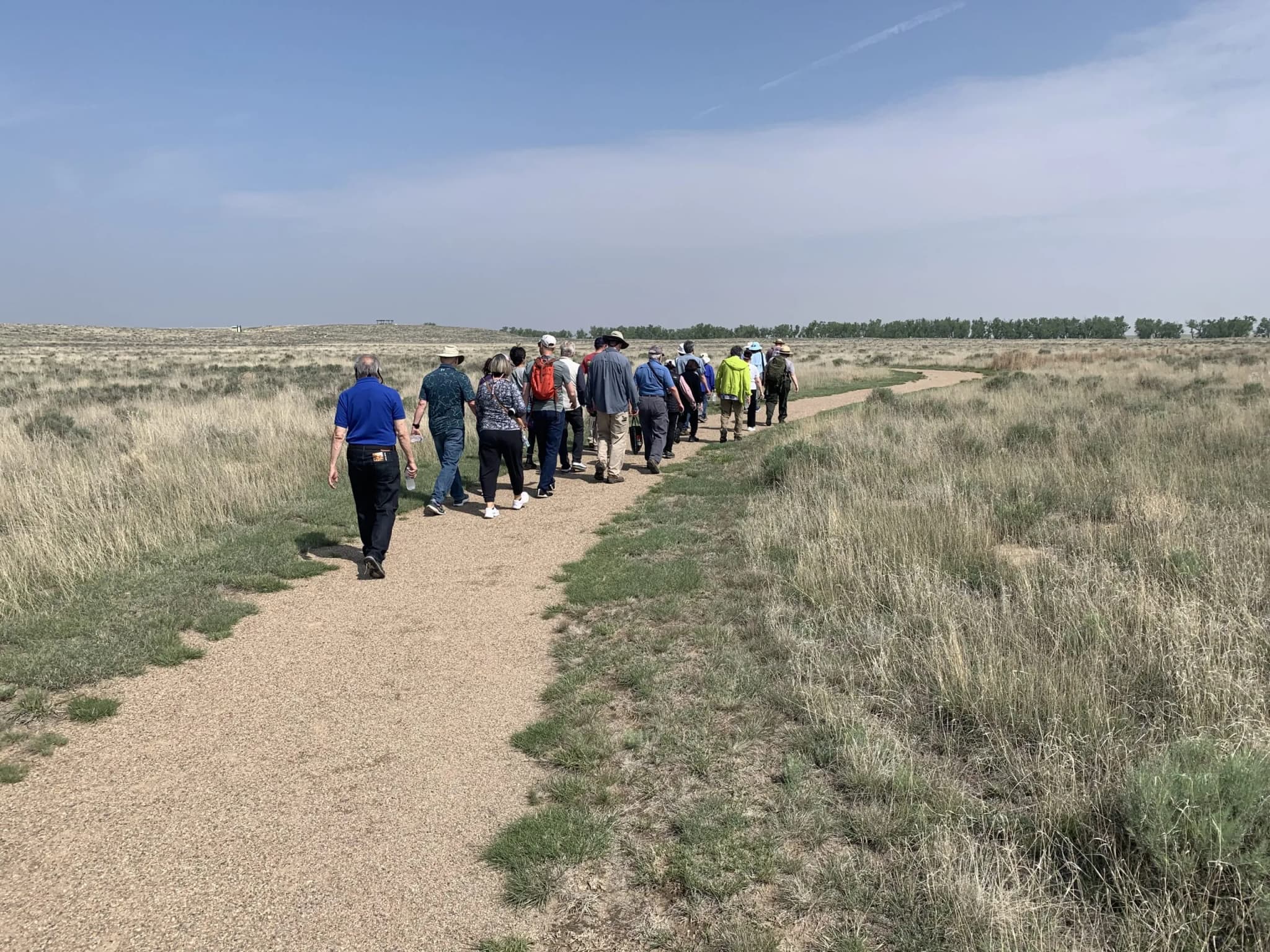
Her region is a dense archive of Colorado history. The Santa Fe Trail runs through it. Bent’s Old Fort sits in it. Sand Creek is there. Amache. Boggsville. Even the post offices in La Junta and Rocky Ford are on the National Register.
“It will impact historic resources in the cities and the urban areas,” Goodwin said. “But I think some of the highest risk areas are more rural areas. I think there’s going to be a lot of irreversible loss and damage while this plays out, unless something very drastic happens.”
The changes target Section 106 of the 1966 National Historic Preservation Act. This is the law that has governed how federal projects interact with historic landmarks for 60 years. Currently, it requires consultation. Federal agencies must ask state and tribal officials if a project — like a new highway or a cell tower — will harm a historic site. They have to consider how to avoid or minimize that harm.
The new draft rewrite flips the script. Consultation becomes discretionary. It’s no longer a requirement; it’s a suggestion. Decision-making power shifts almost entirely to federal agencies. The local voices that have checked federal overreach for decades are pushed to the sidelines.
The leak happened in mid-July. The Advisory Council on Historic Preservation voted to move the proposal forward just a week later.
Locals in Otero County know exactly what’s at stake. Two communications tower projects recently triggered Section 106 reviews. Both involved the historic corridor.
One tower was proposed near the Iron Spring historic district. A company worked with preservationists to find a spot that didn’t block the view of the trail. The location wasn’t perfect. But it minimized harm. The company also paid for an interpretive project to educate visitors about the region’s history.
The second tower was on private land. It couldn’t be moved without losing signal coverage. The company didn’t relocate it. Instead, they provided funding for another project related to the old route.
These were not accidents. They were the result of the current process pulling together “consulting parties” to reach a resolution. The federal agency didn’t just draw a line in the sand and build. They talked. They compromised. They paid.
Now, that process could vanish.
The Colorado Sun reported that new Section 106 consultations in the state have fluctuated over the last five years. But the volume doesn’t matter as much as the mechanism. If consultation is optional, federal agencies can choose to ignore historic sites entirely. Or they can choose to consult only when it suits them.
Goodwin sees the danger clearly. The risk isn’t just in Denver or Colorado Springs. It’s in the rural stretches where history is fragile and resources are thin. Once a site is damaged or destroyed, it’s gone. The current rules ensure that damage isn’t a foregone conclusion. The new rules make it a possibility.
The short version: The federal government wants to keep more of the decision-making power. It’s willing to trade local input for speed or simplicity. For communities like Otero County, that trade-off looks like losing pieces of their identity.
The question is whether the federal agencies will actually consult, or if they’ll just decide not to. If they decide not to, the trail stands exposed. And there’s no one left to stop the tower.
Keep up with the Western Slope
The day's Western Slope news, one email each morning. Free.