Phil Weiser Positions Himself as Aggressive Defender in Colorado Gubernatorial Race
Lakewood distillery visit highlights Phil Weiser's campaign strategy to contrast his aggressive litigation record with Senator Michael Bennet's negotiation style as he seeks the Democratic gubernatorial nomination.
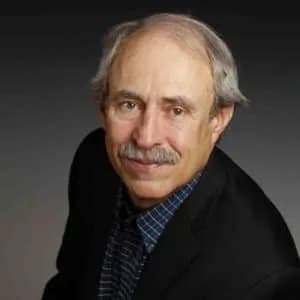
Steamboat Springs —The ice clinks against the glass in a Lakewood distillery, a sharp, rhythmic sound that cuts through the low hum of conversation. Phil Weiser stands near the bar, tie loosened, talking about water. Not the abstract concept of climate change, but the specific, tangible reality of conserving it in a state that’s getting hotter and drier every year.
It’s a Sunday afternoon, and the air outside is thick with the kind of humidity that makes you question your life choices, but inside, the focus is on the future of Colorado’s governorship. Weiser is here to make his case to the folks who will decide if he becomes the next Democratic nominee for governor. He’s got a lot of ground to cover. He’s already won the top line in the voting at the Democratic state assembly back in April, which means his name goes first on the ballot, right before Senator Michael Bennet. That’s a significant advantage. It puts him in the driver’s seat for the primary that kicks off on May 29 and ends on June 30.
But being first doesn’t mean being safe.
Weiser isn’t just running against Bennet; he’s running against the perception that Bennet is the more moderate, negotiable choice. And Weiser is ready to prove he’s the fighter. He lists off the Trump administration’s cabinet picks like he’s reading a indictment. He talks about Doug Burgum, who pushed to sell public lands. He mentions Sean Duffy, who sought to undermine the electric vehicle transition. He brings up Chris Wright, who’s trying to keep coal plants open in Colorado against their will. And he doesn’t forget Brooke Rollins, who fired Forest Service firefighters right before fire season last year.
“We’ve had to sue all four of those individuals for the harm,” Weiser tells the crowd.
The crowd, mostly people in their 30s and 40s, nods. They’ve seen the lawsuits. They’ve seen the legal briefs. They know Weiser has been in the trenches for eight years as state attorney general. Unlike Bennet, who has to navigate a Republican-majority Senate and decide whether to vote for these nominees to build bridges, Weiser has just been suing them. It’s a cleaner record. It’s a harder line.
“Senator Bennet voted for Doug Burgum,” Weiser says, leaning in. “He voted for Sean Duffy. He voted for Chris Wright. He voted for Brooke Rollins. I’ve had to sue all four of those individuals for the harm.”
It’s a simple equation. If you want someone who won’t bend the knee, who won’t try to accommodate and make nice, look at my record.
The conversation shifts to the local issues that actually keep people up at night. Wildfires. Data centers. The energy grid. Weiser doesn’t just talk about conserving water; he talks about a strategy for responding to wildfire threats. He answers questions about whether he’d impose a moratorium on data centers, a hot-button issue for locals who worry about power strain and land use.
Here’s the thing though: Weiser knows he’s not just running for governor. He’s running for president eventually. And this distillery stop is just one leg of a long tour. He’s been to conferences, funerals, and now this. He’s everywhere. And he’s making sure that when people think of climate change in Colorado, they think of him.
The bartender shakes another round. The ice melts. The story of the primary is still being written, but the narrative is clear. Weiser is positioning himself as the aggressive defender of Colorado’s interests, the one who sues while others negotiate. It’s a bold strategy. It might work. Or it might backfire if voters want a negotiator, not a litigator.
Outside, the sun dips lower over the Denver metro area. Inside, the questions keep coming. Weiser answers them, one by one, building the case for a man who claims he’s ready to learn, ready to ask, “What else can we do?”
The glass is empty. The ice is gone. But the debate is just getting started.
Keep up with Steamboat Springs
The day's Western Slope news, one email each morning. Free.
Steamboat Recommends E-Motorcycle Education to Clarify Rules
BLM Clears 113 Roan Plateau Parcels for December 2026 Oil and Gas Lease Sale
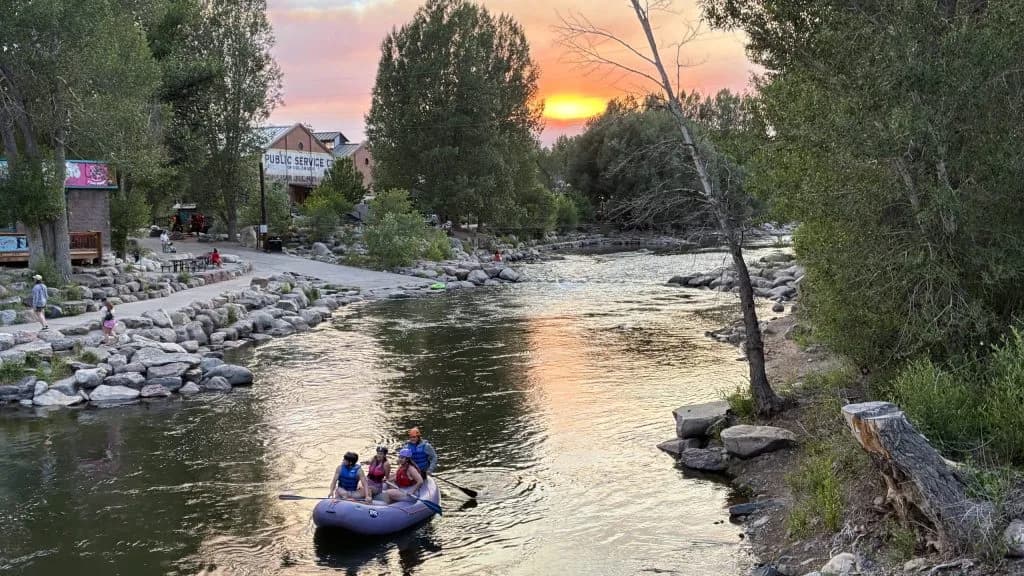
Southern Colorado Releases 2,500 Acre-Feet to Save Drying Arkansas River
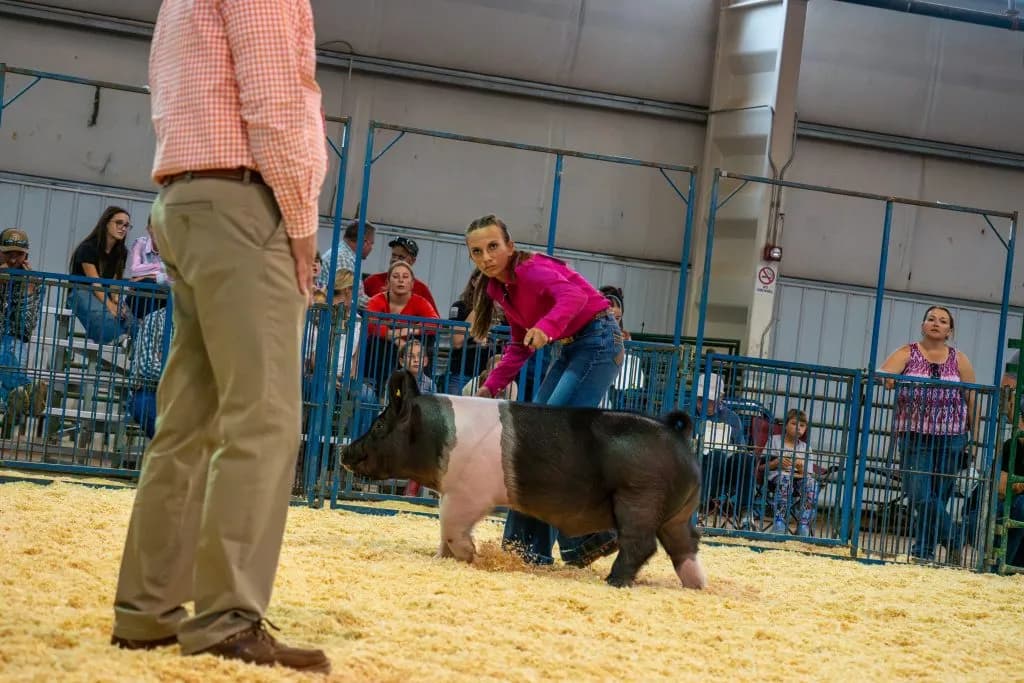
45 Exhibitors Compete in Routt County Fair Swine Show

Moffat County Fair Awards Crown Winners in Horse Show and Crafts