Pitkin County Approves 2026 Nordic Trail Plan for Aspen
Pitkin County officials approved the 2026 Nordic Trail Plans on Thursday, updating management strategies for the Aspen Snowmass network to ensure climate resilience and long-term viability amidst warmer winters.
Gunnison —“Nordic skiing is not just a recreation sport,” said John Wilkinson, president of the Aspen/Snowmass Nordic Council. “It’s woven into the very fabric of our valley community and identity.”
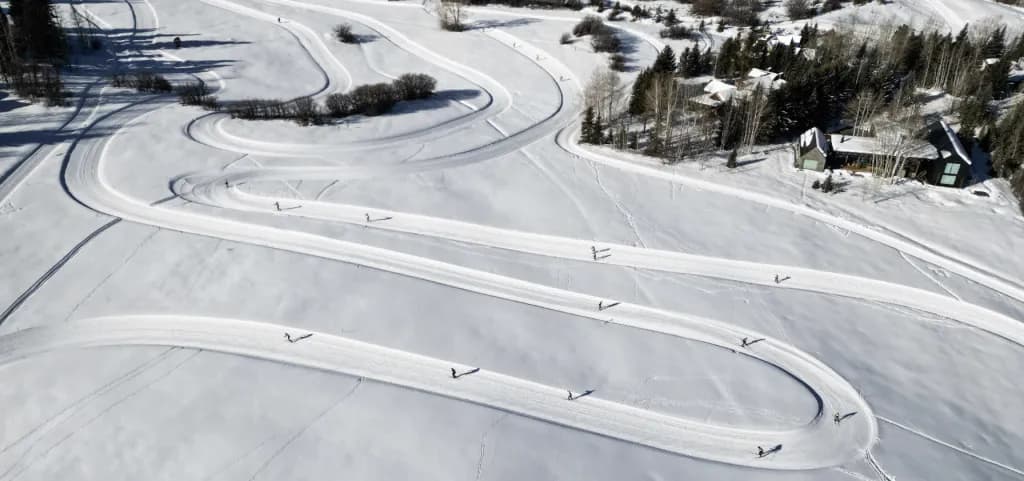
That’s the argument Pitkin County Open Space and Trails is using to justify a major update to the rules governing the Aspen Snowmass Nordic Trail System. The county approved the updated 2026 Nordic Trail Plans on Thursday, a move designed to keep 106 kilometers of machine-groomed tracks viable as the climate shifts beneath them.
The system is the largest free Nordic ski trail network in North America. It runs from Snowmass Village, through Aspen, out to Woody Creek and Basalt. It’s where locals jog on crisp mornings and where Olympic athletes train. But the winters are getting shorter, warmer, and drier. The old plans, last updated in 2015, weren’t built for that reality.
“It’s been a little long in the tooth,” Gary Tennenbaum, Pitkin County Open Space and Trails director, said of the need to overhaul the 2015 framework. “A lot has changed, including how warm our world is becoming, so they wanted to redo the plan.”
The new plan isn’t just about shoveling more snow. It’s about management. The updated strategy prioritizes long-term operation and maintenance, ensuring the trails remain usable for years to come. The goals include maintaining high-quality surfaces and ensuring easy user access throughout the network.
This isn’t the first time the system has been reimagined. The program started in the 1980s. By 2006, operations moved under the city of Aspen while funding stayed with the county. The first management plan came in 2008, born from over 800 public responses. It was tweaked again in 2015 to focus on expansion. Now, the 2026 update focuses on climate resiliency.
Aspen staff initiated this latest review in the summer of 2025, working directly with the Nordic Council. They wanted contemporary goals. They wanted a plan that acknowledged the changing weather patterns that locals have been watching for decades.
The result is a document that codifies the trail system’s role in the community. The staff report notes that these trails are central to winter recreation, hosting iconic community events and competitive races every season. They embody the original vision of a connected network, linking the valley’s major hubs.
The question is whether the updated plan can keep pace with the pace of change. Climate resilience is now a central pillar, meaning the management actions will likely shift to accommodate less predictable snowfall and shorter seasons. The plan aligns with current regional and national trends, acknowledging that Nordic skiing is adapting to a warming world.
For the folks who rely on these trails for their daily exercise or their competitive training, the approval means stability. The infrastructure isn’t going anywhere. The funding structure remains intact. But the way those trails are managed and maintained will evolve.
Wilkinson sees the update as a recognition of the sport’s deep roots. It’s not just about getting from point A to point B on skis. It’s about the connection between the skier and the landscape that has defined Aspen’s winter identity for generations.
The approval clears the way for the next phase: implementation. The plan takes into account feedback from the Nordic Council, program staff, and the broader community. It’s a blueprint for keeping the tracks groomed and the community connected, even as the snowpack changes.
Tennenbaum’s comment about the world getting warmer is the quiet driver behind all of this. The trails are here to stay, but how they survive is the new challenge. The plan provides the roadmap. The adjustments will determine if the snow stays on the ground long enough to keep the skis rolling.
Keep up with Gunnison
The day's Western Slope news, one email each morning. Free.