Pitkin County Breaks Ground on McClure Pass Trail
Pitkin County Open Space and Trails breaks ground on the McClure Pass Trail, starting with a tunnel under Highway 133 to connect the Crystal Valley to the summit.
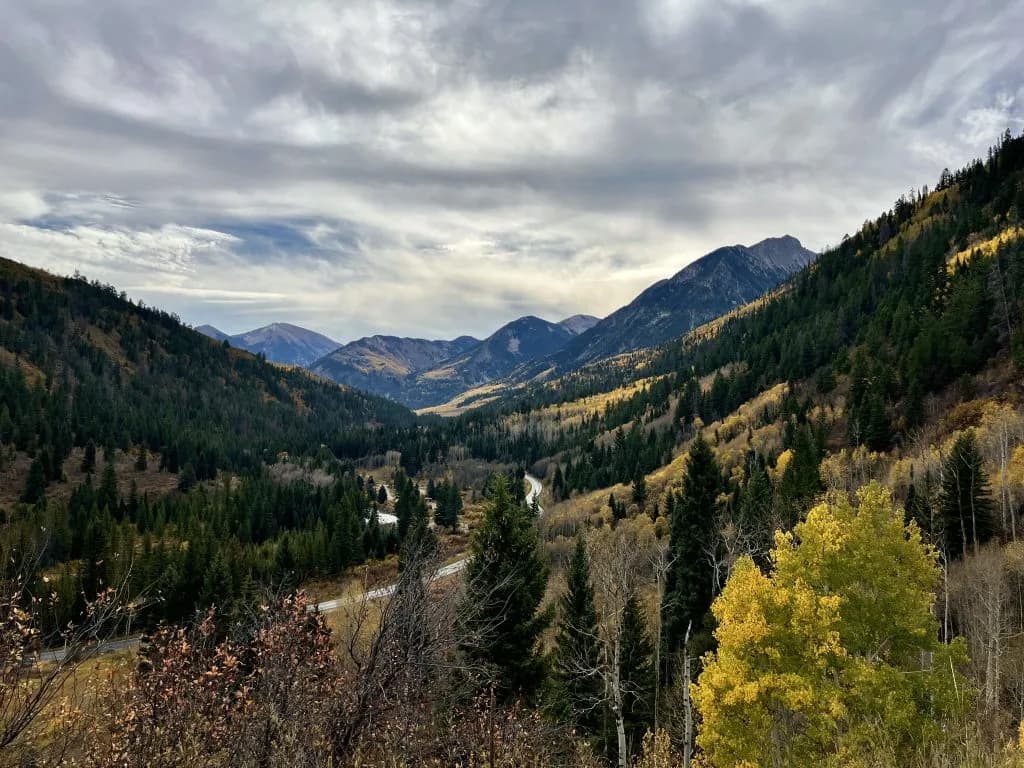
Gunnison —When was the last time you stood on the shoulder of Highway 133 and watched a truck rumble past, wondering if you’d ever be able to walk that same stretch of pavement without dodging traffic? For decades, locals have asked that question, staring up the winding road toward the summit, imagining a path that didn’t require a car. Now, the answer is finally taking shape, literally, under the gravel and dirt of the Crystal Valley.
Pitkin County Open Space and Trails has officially broken ground on the McClure Pass Trail, a new natural-surface connection that will link Highway 133 directly to the summit of McClure Pass. This isn’t just a small patch of dirt; it’s the first major construction phase of the larger, long-envisioned 83-mile Carbondale to Crested Butte Trail Plan, a route that promises to stitch together communities and landscapes for hikers, equestrians, and mountain bikers. The immediate project involves a climb of approximately 1,295 feet over 2.52 miles, a significant undertaking that locals have been waiting for since the conversation began twenty years ago.
“This has been a conversation for a couple of decades now,” said Jami McMannes, communications and outreach specialist for Pitkin County Open Space and Trails. “It is very exciting for the trail community.”
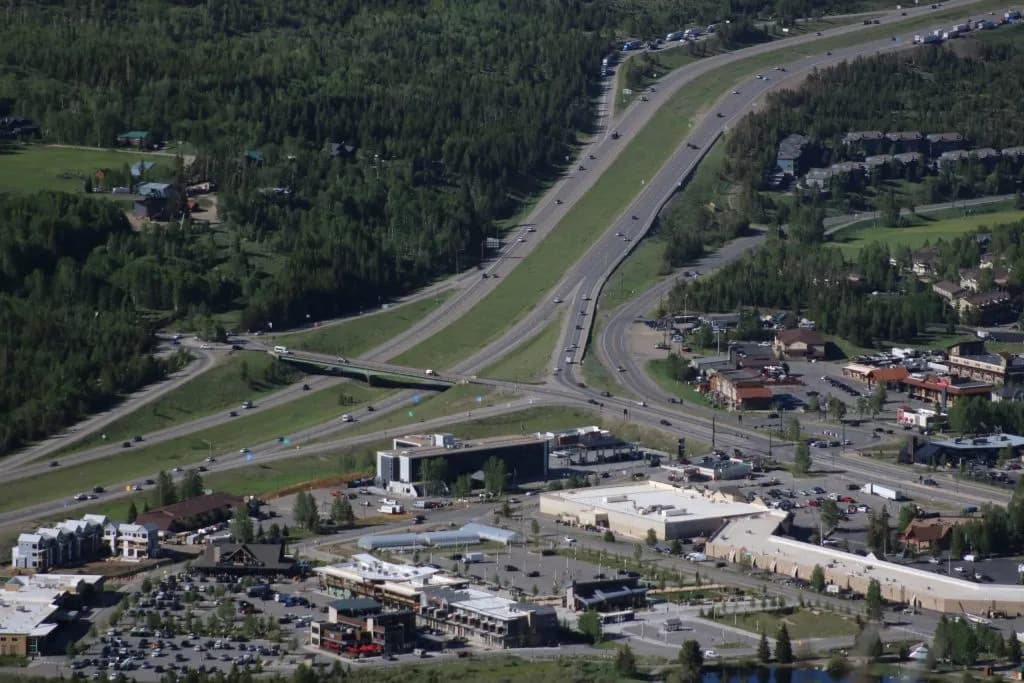
While the full Carbondale to Crested Butte plan includes numerous phases, McMannes and Deputy Director Resource & Trails Ted O’Brien confirmed that McClure Pass was prioritized as phase one simply because it is easier to execute than the more complex sections further down the line. The work is already visible. Equipment is mobilizing, and the primary focus right now is the tunnel under Highway 133, the cornerstone of the project that will allow trail users to cross the busy artery safely.
“We’re really focused on the tunnel right now,” O’Brien said. “We can start on the trailhead here pretty soon. The trailhead and the tunnel will be built in conjunction — we’ll be kicking that part off soon.”
The construction isn’t just about digging holes; it’s about reshaping the landscape. Crews are building up the sides of the road to shift the highway over, minimizing disruption to the steady flow of traffic. Highway 133 and McClure Pass will remain open throughout the process, though drivers should expect single-lane closures midday when traffic is at its lowest. It’s a compromise that locals will need to navigate, but it’s better than the alternative of waiting another decade.
Once the tunnel and trailhead are complete by October 3, the focus will shift to the single-track, which won’t begin until mid-August due to what O’Brien called “wildlife constraints.” A bridge will follow in late September to early October, aiming for completion before the first snow falls. The trail itself will see some changes too: the informal McClure Pass Road parking area will be removed and restored, while Old McClure Pass Road converts into a trail, leading to a new series of switchbacks that achieve a manageable grade for riders.
But there’s a catch, and it’s one that defines life in the high country. Once completed, the trail will close from December 1 through April 30 annually to protect wildlife. You can feel the rhythm of the seasons dictating the use of the land, a reminder that this is still wild country, not just a commuter route. The work continues, the dirt moves, and slowly, the vision of a connected valley begins to rise from the ground up.
Keep up with Gunnison
The day's Western Slope news, one email each morning. Free.