Pitkin County Sheriff Sets June 26 Stage 2 Fire Restrictions
Pitkin County officials confirm Stage 2 fire restrictions begin June 26 at 12:01 a.m., tightening rules on smoking, welding, and off-road driving amid exceptional drought conditions.
Gunnison —Have you ever stood in a field of golden, brittle grass and wondered if a single dropped cigarette could turn your afternoon hike into a nightmare? That’s the question hanging over Pitkin County right now, and the answer is yes, it absolutely could.
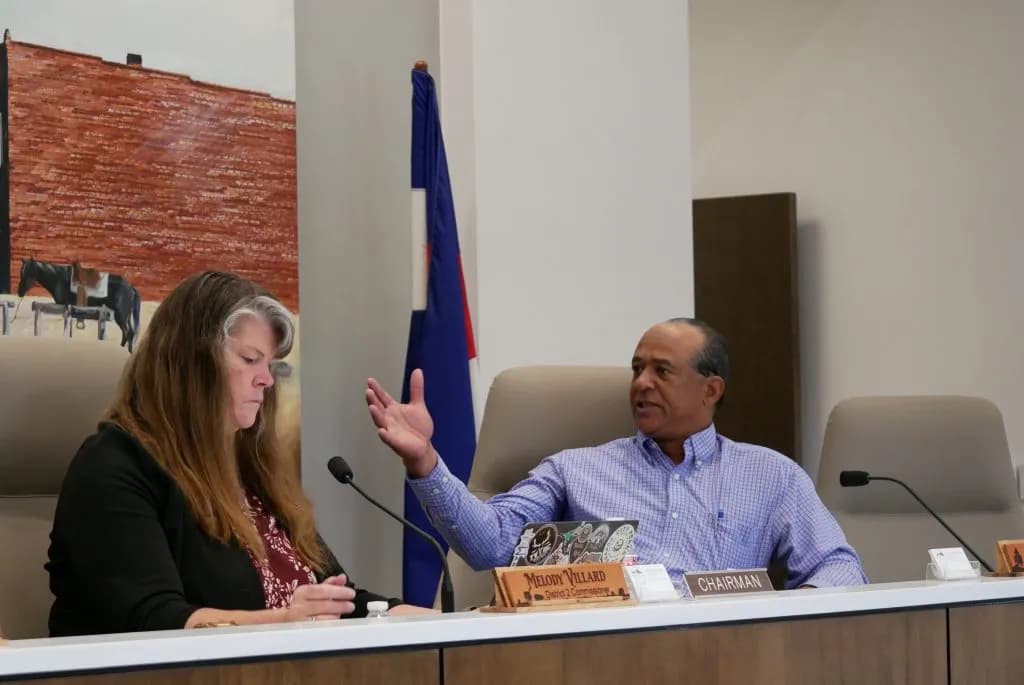
On Monday, during a joint meeting of the Aspen City Council and the Board of County Commissioners, officials confirmed that Pitkin County Sheriff Michael Buglione will officially enter Stage 2 Fire Restrictions at 12:01 a.m. on Friday, June 26. This isn’t a tentative plan or a weather-dependent suggestion; it’s a hard deadline based on science that locals have been watching with growing anxiety since the county first moved into Stage 1 on June 10.
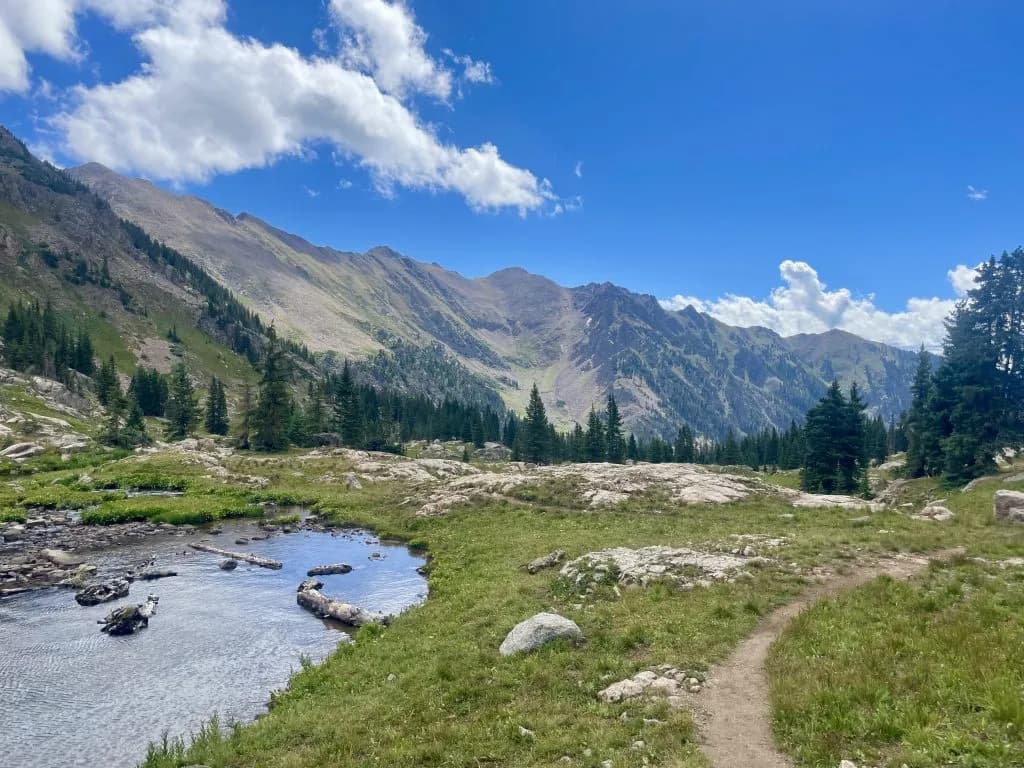
The driving force behind this decision is the parched landscape itself. Pitkin County Emergency Manager Chris Breitbach laid out the data, and it’s stark. The region remains in exceptional (D4) drought, a status that feels less like a metric and more like a physical weight on the land. Five fires have ignited within the region in just the last seven days, and four of those were human-caused. That’s not bad luck; that’s a pattern.
Breitbach pointed to the eight-to-fourteen-day outlook, which he described as “not real promising.” The science is unforgiving. At lower elevations, the Energy Release Component (ERC) — a nationally recognized index predicting how dry the vegetation is — has exceeded 90% for the next seven days. Up at middle and high elevations, the ERCs are hitting 100% almost every single day. The grass isn’t just dry; it’s primed.
So, what changes for you when the clock strikes midnight on Friday?
Stage 2 absorbs all the rules of Stage 1 but tightens the noose. Under Stage 1, you could still enjoy a gas fireplace or a propane fire pit at home, provided it was enclosed in steel or concrete. You could smoke, but only if you were inside an enclosed building, inside your car, or in an urban area completely free of flammable materials. Welding and torch work were allowed, but only in cleared areas with a fire extinguisher right there on the ground.
Stage 2 strips away some of those comforts. Fires are now prohibited entirely, except for those specific gas devices that can be turned on and off with a valve. That means your propane fire pit is still fair game, but the open flame of a wood fire in a ring? Gone. Smoking is restricted to enclosed vehicles or buildings. And here’s the big one for the off-road enthusiasts: leaving a road to drive through dry grass is now illegal. If you’re planning a weekend excursion up to Snowmass or a quiet drive through the Roaring Fork Valley, you need to keep your tires on the pavement.
Breitbach noted that this isn’t happening in a vacuum. Neighbors in Eagle and Garfield counties are having the same conversations, as are the Bureau of Land Management and the U.S. Forest Service. They’re all looking at the same dry maps, breathing the same dusty air. The BLM and USFS are set to make their own announcements tomorrow morning at 9:30, fully aware of Pitkin County’s stance.
There’s a tension in these announcements. They are factual, grounded in ERCs and drought ratings, but they also carry a sense of urgency that feels personal. When you’re driving down Highway 82, seeing the hayfields turned to straw, the restrictions aren’t just bureaucratic hurdles. They’re a reflection of the landscape itself.
The air in the valley is already beginning to carry that specific, dry scent of cured grass and dust. It’s a smell that locals know well, usually associated with late summer, but this year it’s arriving early and sticking around. As Friday approaches, the wind will likely pick up, and the dry vegetation will creak and snap underfoot, waiting for a spark.
Keep up with Gunnison
The day's Western Slope news, one email each morning. Free.
Aspen Housing Authority Seeks $590K Office Upgrade Amid Cramped Conditions
Vail Secures Water Rights for 37-Unit Montelisse Condo Project