Polis Taps Salazar to Mediate Cielo Vista Ranch Dispute
Gov. Jared Polis appointed Ken Salazar as special envoy to resolve the Cielo Vista Ranch dispute, aiming to end decades of litigation over an 83,000-acre property and its controversial fence.
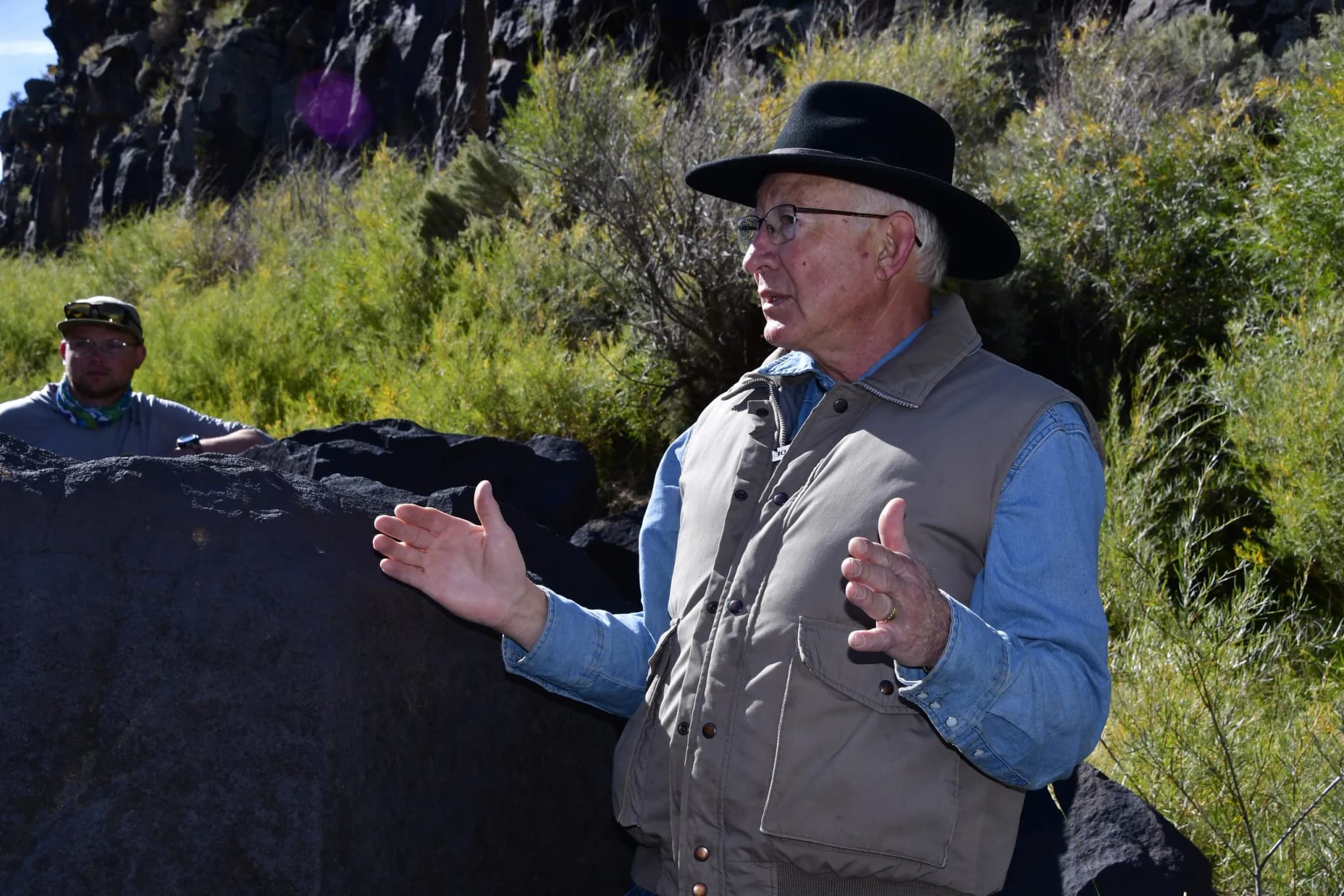
"I've spent my life in the San Luis Valley, and that's why I know how much this land means to the people who have called it home for generations."
Ken Salazar said that. He’s 70 years old. He was a U.S. senator, secretary of the interior, and ambassador to Mexico. Now he’s back where he started.
Gov. Jared Polis appointed Salazar as a "special envoy" this week via executive order. The job is simple on paper: resolve the fight over the Cielo Vista Ranch. It’s 83,000 acres in Costilla County. The dispute pits the billionaire owner of that ranch against the heirs of a land grant dating to 1844. That’s before Colorado was even a state.
The short version: Polis wants to stop the courts from being the only place this gets settled. He called Salazar a "trusted voice in the valley and the right person for the job."
Salazar isn’t new to this fight. He was at the state Capitol last year pushing lawmakers to pass a bill that halted construction of a fence around the property. He spoke then about loving the state "from one corner to another." Now he’s directing conversations and forming a recommendation on the long-term disagreements.
The fence is the flashpoint. It’s 8 feet tall, wire grid, barbed at the top and bottom. Construction started in 2020. It was halted in 2023 after about 20 miles were erected, following a decision by the Costilla County commission.
An 83-page report released this summer backed up what locals have been saying for years. The fence is bad for wildlife. It’s potentially detrimental to the federally listed Canada lynx and silverspot butterfly. The report lists harm to northern leopard frogs, eagles, hawks, cutthroat trout, deer, and elk. It’s a long list of things that live in the valley, all threatened by a wire grid.
The land itself comes from the Sangre de Cristo Land Grant, a result of the Treaty of Guadalupe Hidalgo. Settlers and their heirs were given rights to hunt, graze livestock, and gather timber on the land, even as private owners took title over decades. Those rights are what the heirs are defending now.
Polis said in a news release: "We can and must do better than eternal litigation and conflict in our Colorado for all." He added that Coloradans in the San Luis Valley "deserve a real seat at the table when it comes to decisions that shape our communities."
Read that again. A "real seat at the table." That implies there wasn’t one before. Or at least, not a meaningful one.
Salazar said he plans to listen closely and ask the right questions. He’s directing conversations, not dictating outcomes. The executive order doesn’t give him the power to force a sale or change ownership. It gives him a mandate to facilitate and recommend.
The Cielo Vista Ranch sits in the shadow of 14,053-foot Culebra Peak. The landscape is vast and open. That’s what makes the fence so visible, and so controversial. It cuts across piñon trees and sagebrush. It blocks movement. It changes the ecosystem.
The dispute has been in court for decades. Decades of litigation means decades of legal fees, delayed decisions, and a valley stuck in the middle. Polis is betting that Salazar’s local ties and political weight can break the logjam.
Salazar grew up in this valley. He knows the neighbors. He knows the history. He knows that for many families, this isn’t just about property lines or wildlife reports. It’s about heritage. It’s about the right to graze, to hunt, to gather timber on land their ancestors worked.
The billionaire owner of the estate hasn’t been named in Polis’s announcement. The heirs of the land grant haven’t been individually identified either. We know who the parties are in broad terms, but the specific voices on each side remain quiet in this initial rollout.
Polis is asking for a recommendation, not a verdict. That’s the key distinction. If Salazar fails to find common ground, does the matter go back to court? Or does Polis step in with a new executive order? The order doesn’t say.
The 83-page report is public. The fence’s impact on wildlife is documented. The history of the land grant is settled law from 1844. What’s unsettled is how those two facts coexist with private ownership of 83,000 acres.
Salazar has a mandate to listen. He’s the only person in this story with both the political capital and the local credibility to bridge that gap. Whether he can is another matter.
The valley is watching.
Keep up with the Western Slope
The day's Western Slope news, one email each morning. Free.