Record Low Snowpack Opens Colorado 14ers Early for Hikers
Colorado's record-low snowpack leaves 14ers bare and dry, opening trails two months early but increasing wildfire risk and reducing water access for hikers.
Aspen —Colorado’s 14ers are empty of snow. They are also drying out fast.
The state’s worst snowpack on record has left the high country stripped bare. This isn’t just a mild winter. It’s a structural shift in how we access the peaks. The Colorado Fourteeners Initiative says the trails are open. They are clear. But the trade-off is simple: you get to the summit faster, but you leave with a higher risk of fire and less water.
Lloyd Athearn, the initiative’s executive director, put it plainly. "Trailheads are generally accessible. Routes are generally accessible and free of snow."
That’s the headline. The subtext is worry.
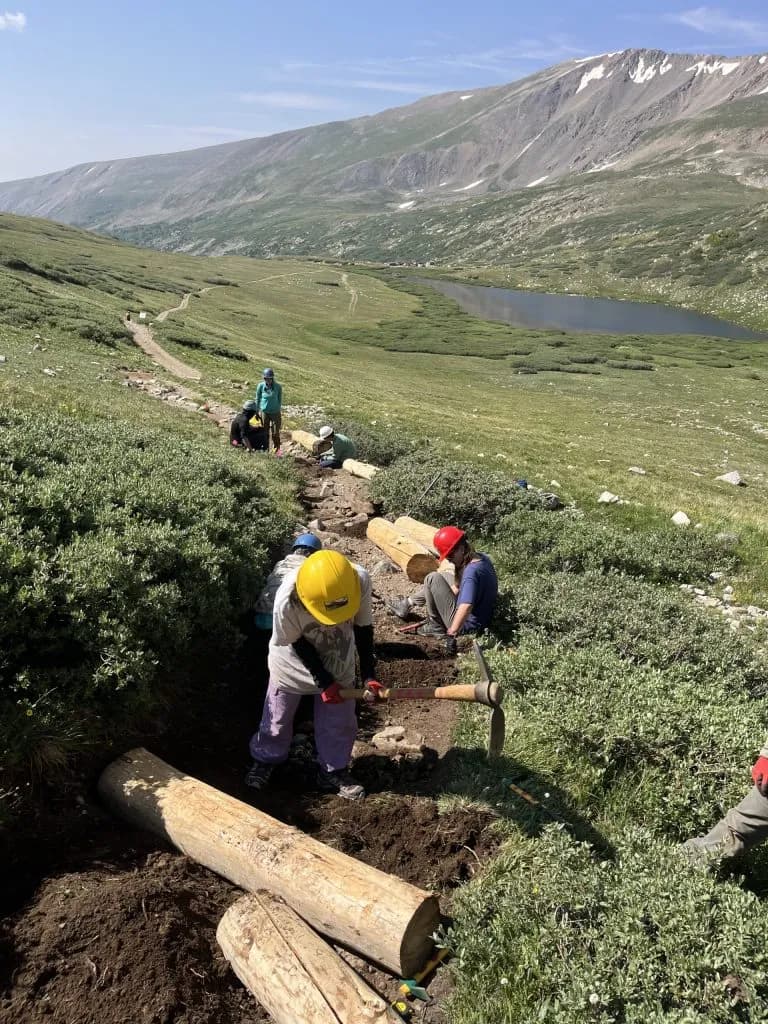
Usually, June brings snow that blocks trail crews from setting up basecamp near treeline. This year? No problem. Athearn noted that while there was some consequential snow in the last month, it melted quickly because there was no deep pack to hold it. The result is a hiking season that starts early and stays dry.
Athearn was on Grays Peak in mid-April. He said it looked like mid-June. That’s two months ahead of schedule. He’s already setting up heat-detecting counters at 23 popular trailheads. He’s tracking the hundreds of thousands of hikers who will flood these peaks this summer. He’s doing it now, not later.
The lack of snow makes logistics easy. It makes disaster management harder.
The winter was hot. It was dry. Parts of the mountain are in deep drought. Wildfire risk is up. Last year, a single abandoned campfire on La Plata Peak — a 14,343-foot giant south of Leadville — closed the trail to the state’s fifth-highest peak for days. One mistake. One fire. A closed trail.
Athearn is warning locals and tourists alike. Follow fire restrictions. Extinguish campfires until the coals are cool to the touch. Don’t just kick dirt over them. The dry air means heat lingers. It means embers travel further.
Water access will be spotty. Trails that usually have melting snow feeding streams might run dry. Campsites that rely on seasonal snowmelt could be parched. You’re trading snowshoes for sunscreen and carrying more water than usual.
The short version: The mountains are open. The risk is higher.
People want to climb all 53 ranked peaks. It’s a badge of honor. It’s a goal. But the conditions this year demand respect. Stick to designated trails. Practice Leave No Trace. Check conditions at 14ers.com before you leave. The snow isn’t there to buffer you from the heat or the fire. You’re on your own.
Athearn said we’re all "super anxious" about the wildfire danger. That anxiety isn’t baseless. Dry winters lead to disruptive wildfires. That’s the pattern. It’s the fact.
The trail work is starting. The counters are going up. The hikers are coming. But the ground is thirsty. And fire is waiting.
Keep up with Aspen
The day's Western Slope news, one email each morning. Free.