Rep. Meghan Lukens Touts $180M School Funding Boost for Colorado
Colorado State Rep. Meghan Lukens highlights a $180.79 million boost in school funding and the Outdoor Opportunities Act during the 2026 Legislative Session.

Steamboat Springs —“After 120 days, prime sponsoring of 29 bills and massive progress for Colorado, I am proud of all that we accomplished during the 2026 Legislative Session.”
Meghan Lukens didn’t just survive the fiscal squeeze of the last year. She navigated it. The Colorado State Representative for House District 26 is looking at a legislative record that she argues delivers real dollars to the classroom and keeps the state’s outdoor economy breathing.
The question for locals isn’t whether the money is coming — it’s whether it’s enough to fix the structural cracks in our schools. Lukens says it is. She points to the new School Finance Act as proof that rural communities, including ours, are finally getting their fair share of the pie.
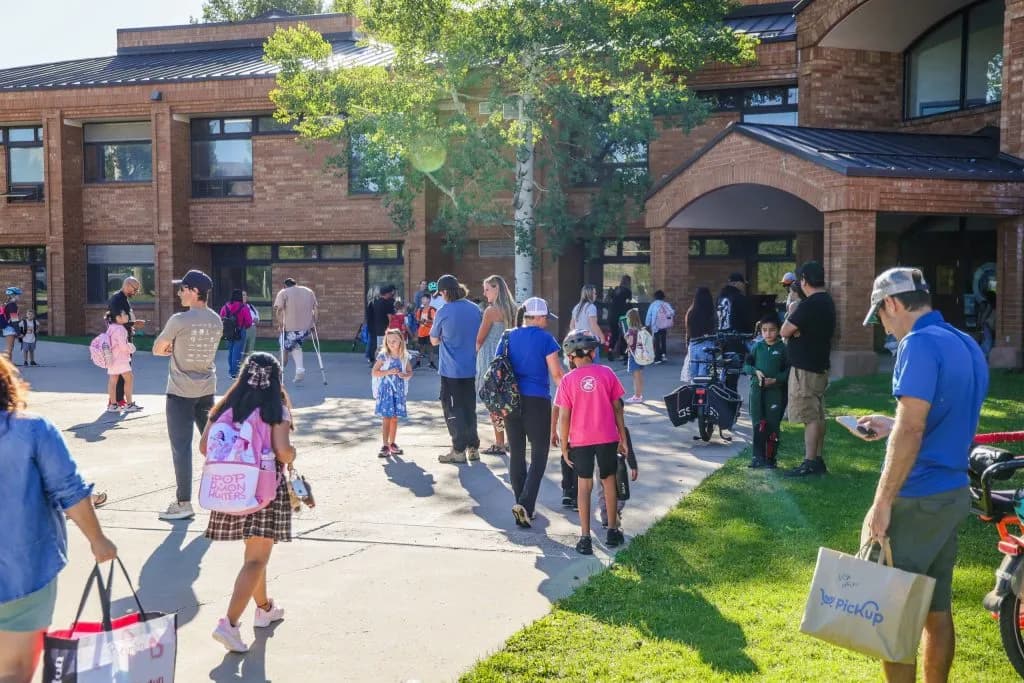
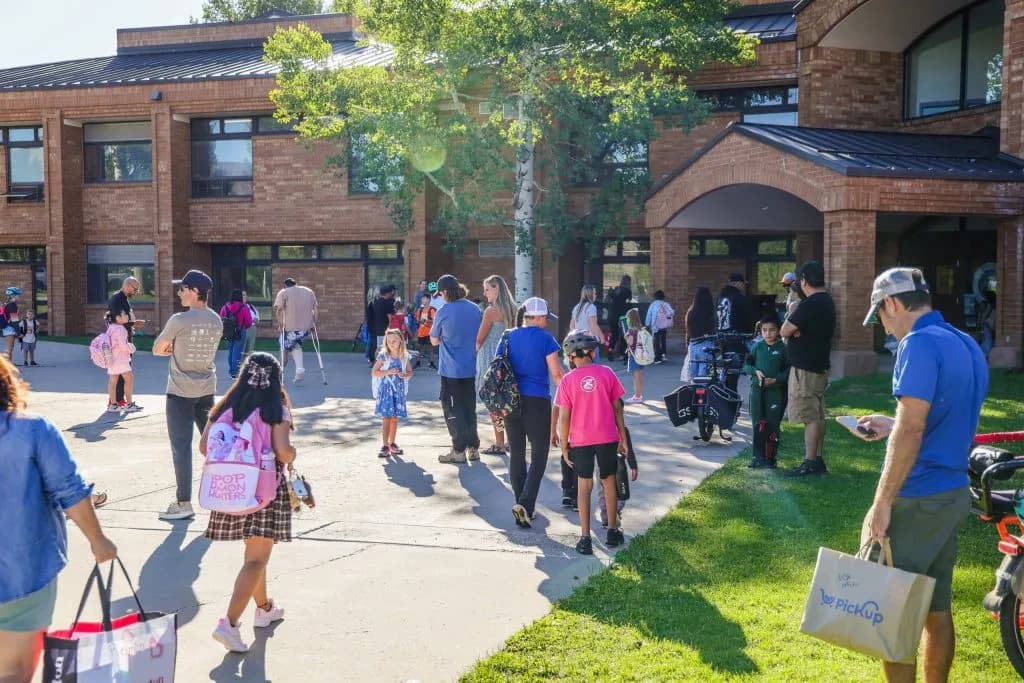
“This year’s School Finance Act delivers across the board,” Lukens said. “It keeps the student-centered formula in place and drives $180.79 million more to our public schools, increasing per-student funding by $449, and bringing total school per-pupil funding to $12,325.”
That $449 bump might sound small on a spreadsheet. But for a district like ours, where property values don’t always match the cost of educating a child, that formula shift matters. Lukens notes that rural communities benefited the most from these changes. It builds on reforms made two years ago, specifically the elimination of the budget stabilization factor and the first update to the funding formula in three decades.
The data supports her claim. Since the 2020-2021 academic year, total program funding has jumped from $7.2 billion to $10.2 billion for the upcoming year. Per-pupil funding has climbed from $8,100 to more than $12,300. Enrollment is declining, yet the pot of money is growing.
But Lukens knows Colorado still has one of the most underfunded education systems in the nation. So, she’s putting the fix in the hands of the voters. She sponsored SB26-135, a referred measure that asks a simple question: should public school funding grow alongside the economy, or stay capped by TABOR?
If approved, that measure would unlock funds specifically for boosting teacher pay, reducing class sizes, and expanding career and technical education. It’s a direct challenge to the revenue cap that has constrained school budgets for years.
Beyond the classroom, Lukens is leaning on the connection between public lands and the wallet. Colorado’s outdoor recreation economy is worth $65.8 billion. That’s not just a tourism stat; that’s the engine that drives hotels, restaurants, and service jobs across the Western Slope.
“The Colorado Outdoor Opportunities Act formalizes Colorado Parks and Wildlife as the lead agency for implementing” protections on public lands, Lukens said. It’s a move to secure the resource base that the local economy relies on.
She also pushed through bills to streamline reporting burdens on schools and help districts fill teaching vacancies faster by accepting out-of-state licensure. It’s practical work. It’s about getting bodies in classrooms and reducing the administrative drag that keeps teachers from teaching.
The work Lukens describes reflects priorities shared in town halls and emails from one end of the district to the other. She claims the bipartisan solutions delivered this session address the issues that actually keep folks up at night: school funding, teacher retention, and the economic viability of the land we live on.
As Lukens puts it, the session “tested us fiscally, but we rose to meet the challenge.”
Whether that challenge translates into better test scores or lower property tax burdens for the next homeowner in Delta County is the next step. But for now, Lukens is banking on the formula changes and the voter-approved funding boost to do the heavy lifting.
“I am especially proud that, even in this difficult budget year, we were able to preserve or increase funding for the vast majority of Colorado school districts,” she said. “Rural communities benefit the most from the student-centered formula.”
Keep up with Steamboat Springs
The day's Western Slope news, one email each morning. Free.


Will my tax refund be gone if I vote yes
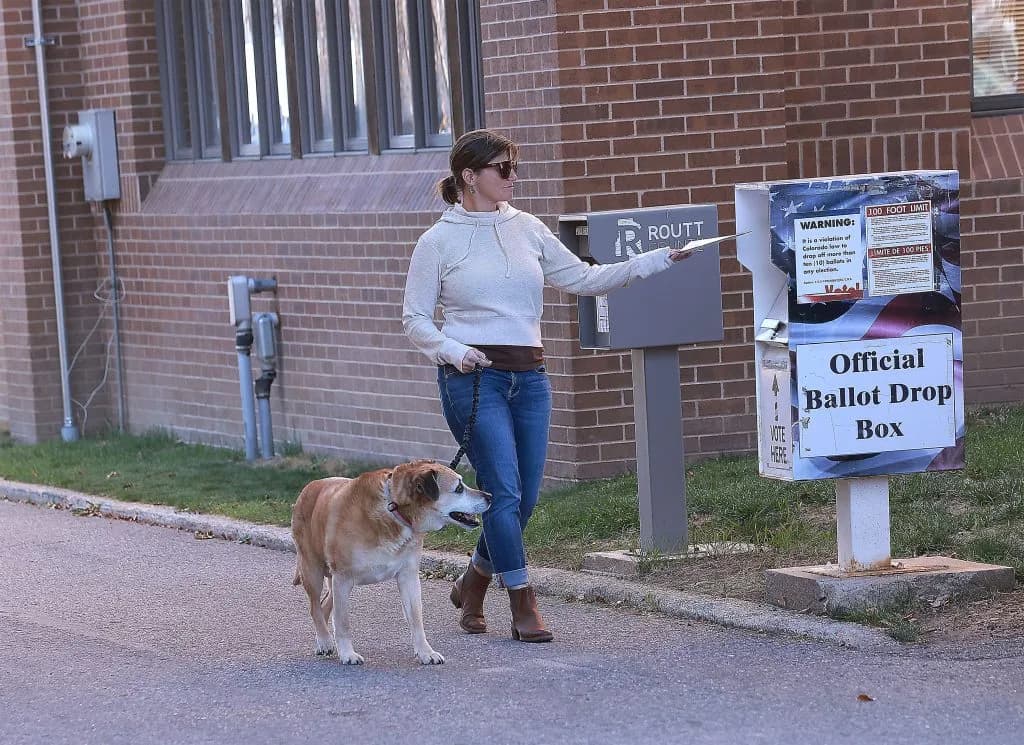
"Coloradans could start seeing ballots for this November’s midterm election hit their mailboxes as early as this weekend