Restore Our Roads Withdraws Initiative 175 After State Deal
Restore Our Roads withdrew Initiative 175 after reaching a funding framework with Attorney General Phil Weiser and state lawmakers. The deal preserves the gas tax while promising increased road and bridge investment without constitutional lock-in.
"Give Colorado taxpayers a voice in how the taxes and fees they pay for transportation are used. And now they finally will."
Jeff Keller, co-chair of Restore Our Roads, spoke those words in a news release Thursday, but the sentiment carries a weight that feels less like victory and more like relief. The group is withdrawing Initiative 175, a proposed constitutional amendment that would have locked road funding into the state constitution, protecting it from cuts in the same way K-12 education is protected. The measure was backed by the construction industry and had been gathering momentum, a quiet but persistent force in a state where potholes are as common as dust storms.
The withdrawal comes after negotiations with Colorado Attorney General Phil Weiser, the Democratic candidate for governor, and two state lawmakers: Rep. Andy Boesenecker of Fort Collins and Sen. Judy Amabile of Boulder. According to the Colorado Sun, this coalition reached a "funding framework" that Restore Our Roads claims will provide more funding for roads than the ballot measure could have, while also addressing necessary bridge projects. The details of that framework remain tight-lipped for now; the group didn’t release specifics in its announcement, leaving neighbors to wonder exactly what "more" looks like on a Tuesday morning commute.
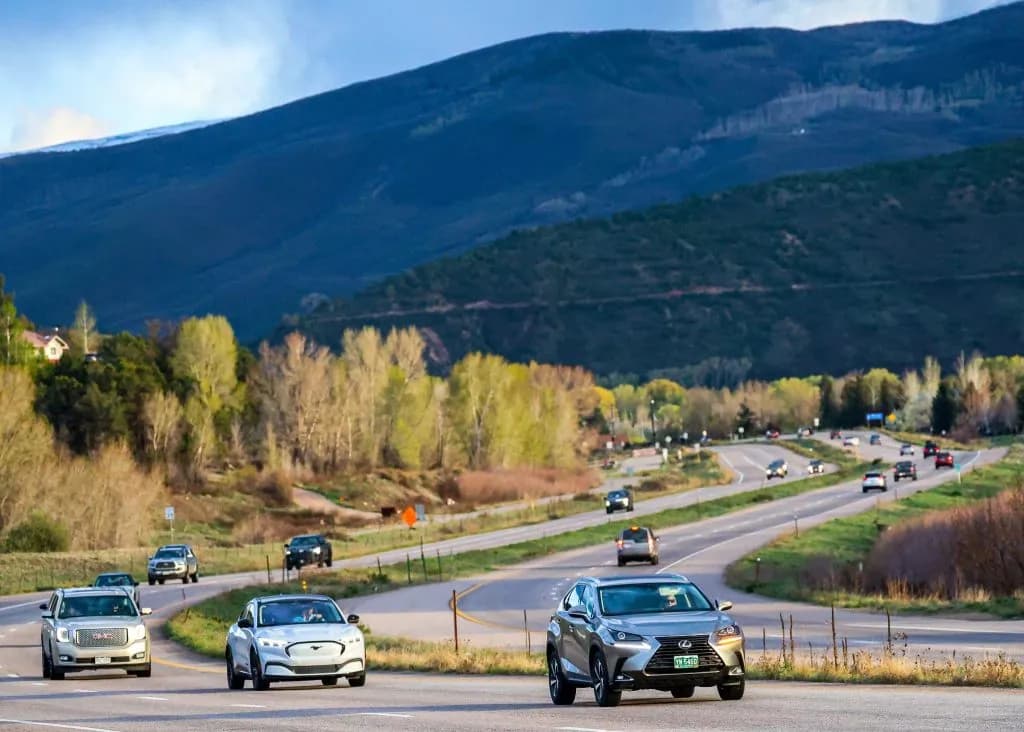
For those of us who drive the Western Slope, the stakes were never just about politics; they were about asphalt. Colorado primarily pays for road construction through a 22-cent state gas tax, a rate that has been slowly eroded by inflation and the quiet rise of electric vehicles. Add in vehicle registration fees and gasoline surcharges, and the system brings in more than $1.8 billion a year. But that money is currently fungible, meaning it can be pulled into the general fund to cover other state services. If Initiative 175 had passed, that flexibility would have vanished. The state would have been required to set aside all tax revenue from motor vehicle sales and 67% of the sales tax on auto parts exclusively for transportation.
That rigidity was the flashpoint. Nonpartisan state fiscal analysts calculated that such a move would create a $264 million hole in this fiscal year’s general fund budget, followed by a $539 million deficit next year. In response, Democrats passed House Bill 1430, a legislative counter-strike that would have temporarily cut the state gas tax and other transportation fees to offset the new spending requirements. It was a blunt instrument: by limiting how much money went to roads, it spared other programs from funding cuts. With Initiative 175 dead, House Bill 1430 will not take effect. The gas tax stays at its current level, and the general fund avoids the projected holes.
It’s a deal that smells like compromise, which is to say it likely satisfies no one completely. The construction industry gets a commitment to increased funding; the state government keeps its budgetary flexibility. But what does that mean for the stretch of highway where your car rattles over a patch job from 2019? The deal promises to address "necessary road and bridge projects," a phrase that sounds reassuring until you realize it’s not backed by the constitutional ironclad guarantee the ballot measure offered. There is a warmth to the idea of a negotiated solution, but there are rough edges in the lack of transparency. We don’t know what the framework entails yet, only that it exists.
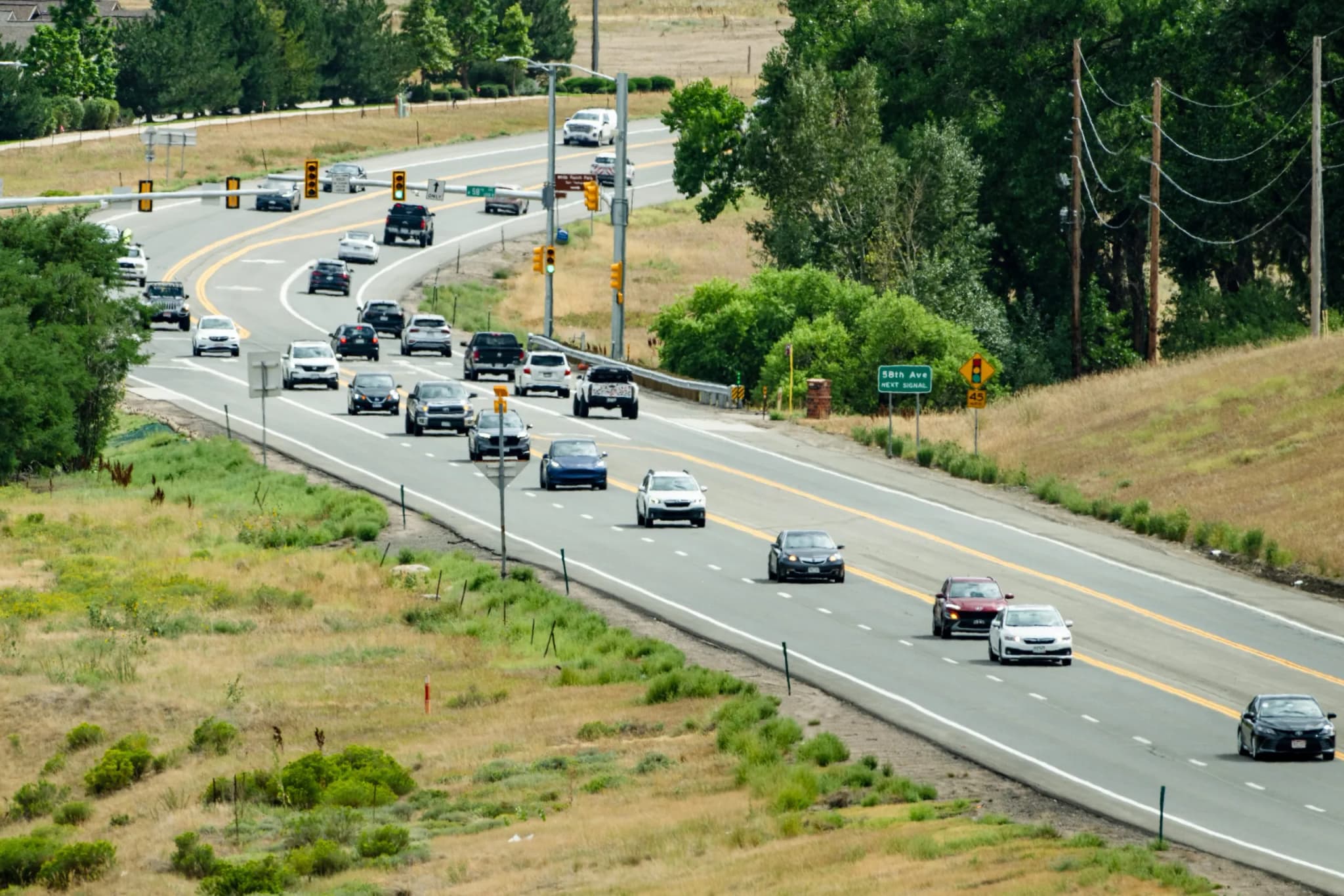
The traffic on Highway 93 in Golden was a line of red taillights stretching into the haze back in August, a visual reminder of how fragile our infrastructure is. Now, as we head into the fall, the question isn’t whether the roads will be protected by constitution, but whether they’ll be maintained by committee. The gas tax remains the lifeblood of our transportation system, and for now, it stays where it is. You can feel the shift in the political air, a sudden quiet where there was noise. The ballot box is empty, but the road ahead is still paved with uncertainty.
Keep up with the Western Slope
The day's Western Slope news, one email each morning. Free.