RFTA Leader Dan Blankenship Retires After Decades of Service
Roaring Fork Transportation Authority leader Dan Blankenship retires, ending an era defined by his hands-on management style and deep institutional knowledge that kept the Aspen transit system running efficiently.

Aspen —A $14 million project. Twelve units. That’s the headline you see when the Roaring Fork Transportation Authority (RFTA) announces another capital improvement. It’s clean, it’s quantifiable, and it tells you exactly how much pain your property tax bill is about to take. But let’s look at the human infrastructure, because that’s where the real cost — and the real risk — lies.
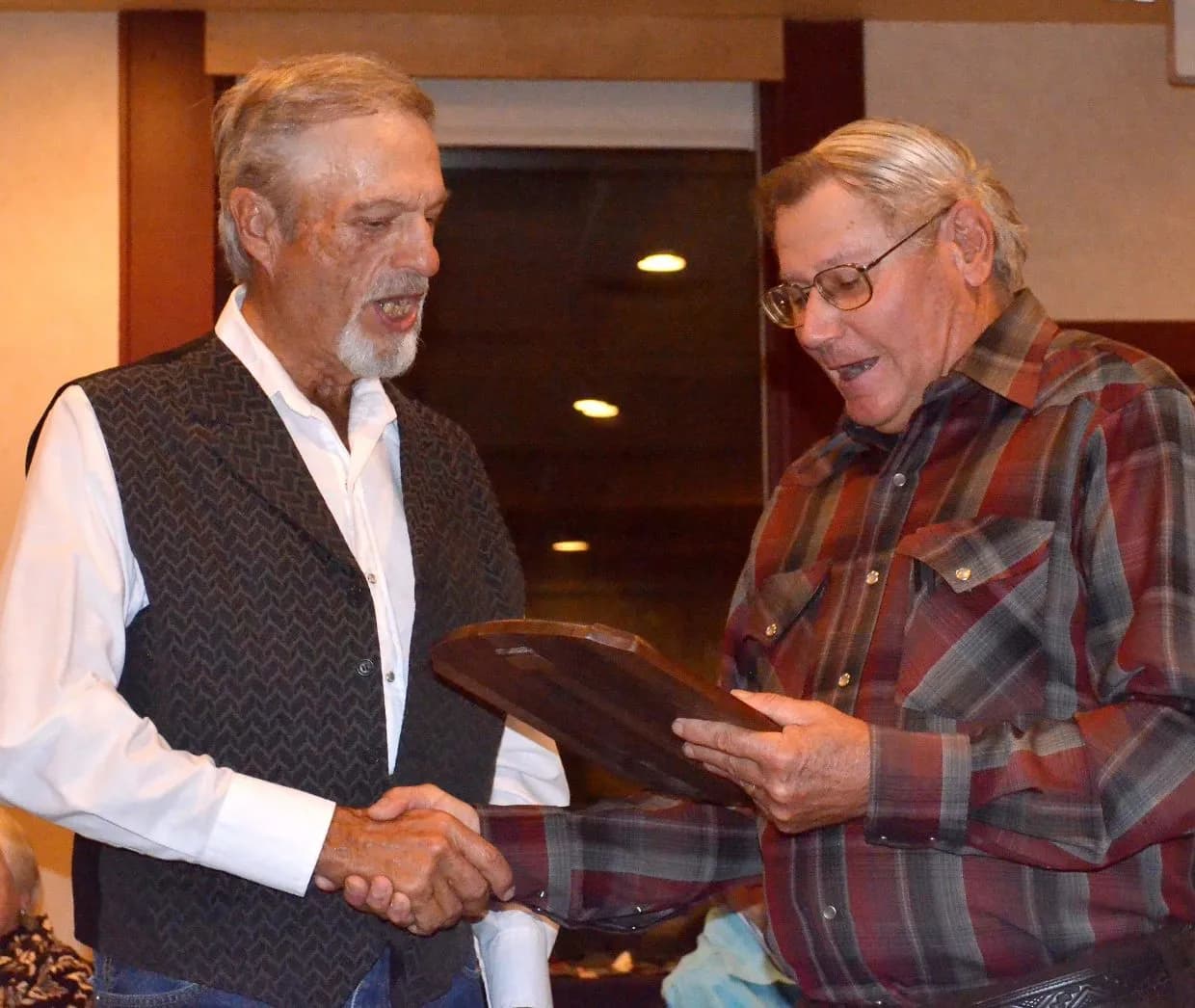
Dan Blankenship is retiring. The Aspen Times reports that he has been the driving force at RFTA since its first days, and his departure marks the end of an era defined not by spreadsheets, but by sheer, unadulterated presence.
Blankenship didn’t just manage the agency; he inhabited it. He worked construction by day and drove a bus by night in the summer of 1979. That dual role wasn’t a resume filler, it was a habit. He set the bar so high that most staff couldn’t even see it, let alone clear it. The article notes he possessed a gift for explaining complex operational issues in writing so lucidly that anyone reading his memos concluded RFTA was a first-class organization. On paper, this is good management. In practice, it meant that when Blankenship was awake, the agency was awake.
His work ethic is well-documented. His open-door policy is less of a perk and more of an operational requirement. Employees passing his office late at night, usually drivers, were waved in regardless of the hour. The lower your rank, the more time he made for you. This wasn’t performative kindness. It was a mechanism for quality control. He let staff talk, asked seemingly innocent questions that revealed deep understanding, and then found the needle in the haystack via video playback. A couple of those clips still give longtime staff nightmares, according to the report.
The data point that matters most for local transit reliability isn’t the number of new buses or the square footage of the new depot. It’s retention. Former retirees Kenny Osier and John Hocker told the author they wouldn’t have lasted four decades under anyone else. They stayed because of Blankenship’s ability to inspire loyalty and trust. That loyalty has kept institutional knowledge within the building, preventing the brain drain that plagues so many municipal agencies.
So what happens when he leaves? The article suggests his natural ability to inspire has served RFTA well for a very long time. But we’re talking about the person who ensured that mass transit didn’t just work, but worked great. Without him, we get the $14 million projects. We get the twelve units. We lose the guy who could tell you exactly why the Flyer was late from the Intercept Lot to Highlands while simultaneously fixing the engine.
The financial impact is subtle but real. When your primary operator retires, you don’t just lose a salary. You lose the oversight that prevents costly errors. You lose the "unnerving side to his brilliance" that kept staff on their toes. The cost of replacing Blankenship isn’t just the hiring fee for his successor; it’s the potential for operational drift. If the next leader doesn’t replicate that open-door, deep-dive culture, RFTA becomes just another transit agency. And those agencies are expensive to fix.
Blankenship is gone. The Flyer still runs. But the brightest star has left the orbit, and we’ll have to see if the rest of the constellation can hold its shape.
Keep up with Aspen
The day's Western Slope news, one email each morning. Free.