RMI Finds Colorado Grid Can Support 1.6 Million Additional Heat Pumps
A new RMI study reveals Colorado’s winter grid headroom can accommodate 1.6 million extra heat pumps, potentially cutting electricity rates by 9% and reducing statewide greenhouse gas emissions by 26%.
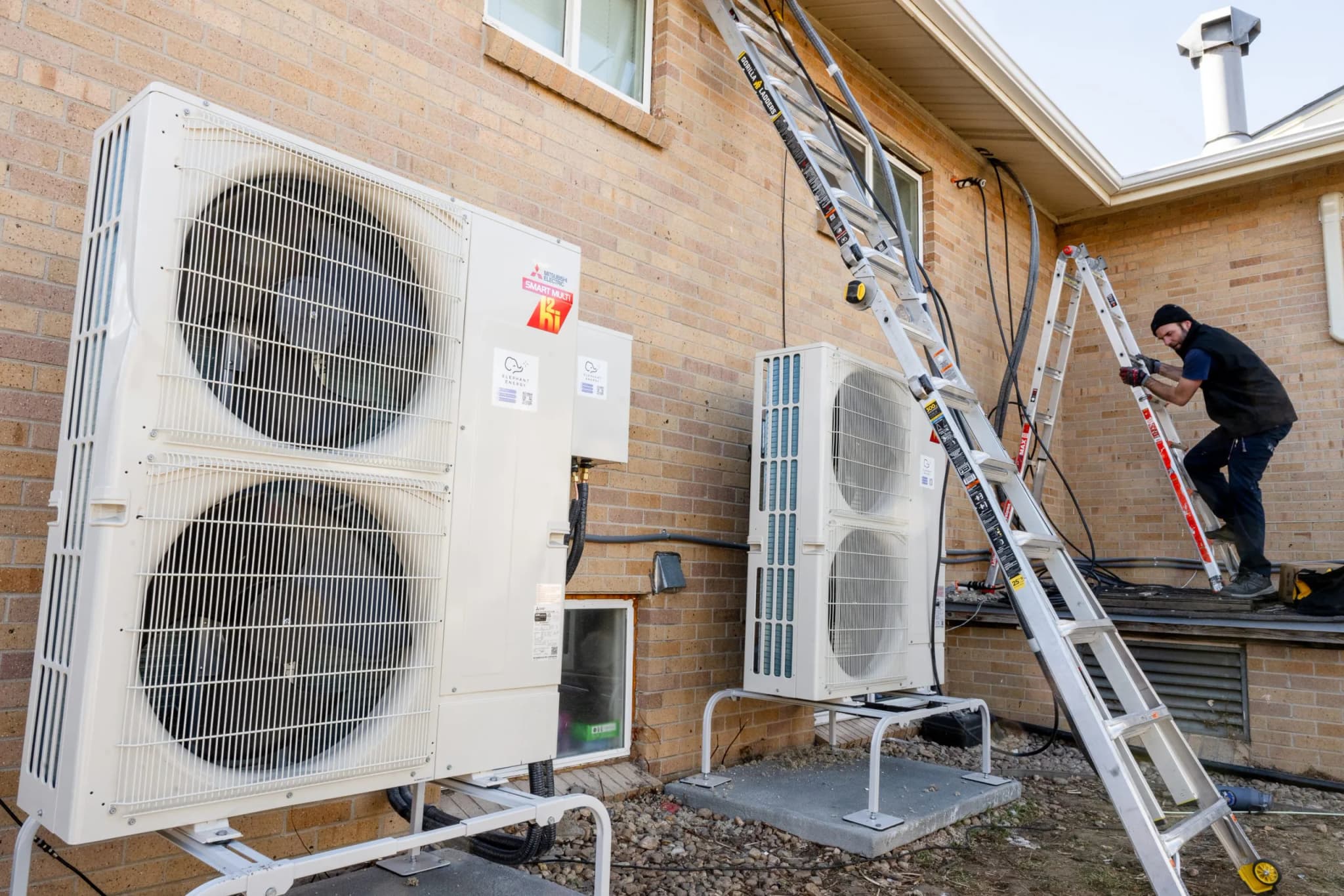
Colorado’s electric grid has enough winter capacity headroom to support 1.6 million additional heat pumps, a number representing seventeen times the quantity currently installed in the state, according to a new study released by the energy analysis nonprofit RMI.
The organization, formerly known as the Rocky Mountain Institute, found that while Colorado’s electrical demand peaks during the summer months due to air conditioning usage, the infrastructure remains largely idle in the winter. This seasonal disparity creates a significant opportunity to shift residential heating away from natural gas furnaces toward electric heat pumps, which provide both winter warmth and summer cooling.
Sarah Tresedder, a senior climate and energy organizer for the Sierra Club, highlighted the inefficiency of the current system, noting that utilities have built out massive amounts of infrastructure to handle summer air conditioning loads. "What heat pumps can do is kind of spread the load, rather than where we’re using all gas in the winter to heat homes and wasting all of this electric capacity," Tresedder said. She pointed out that in the winter, this existing grid infrastructure is simply sitting idle, a resource that could be leveraged to reduce reliance on fossil fuels.
The potential economic benefits of this transition are substantial. RMI estimates that switching that many heating and cooling systems to heat pumps could lower expected Colorado electricity rates by 9%. For the average household, this translates to savings of just over $100 per year. Statewide, the total savings would amount to $255 million annually. On a national scale, RMI estimates that 109 million U.S. homes — five times the current amount — could utilize heat pumps, accounting for weather differences and grid variations across the country.
The environmental impact is equally compelling. Reaching those levels of heat pump conversion could cut greenhouse gas climate pollution by 26%, according to the researchers. This reduction is critical as state officials and environmental groups view home and commercial furnaces as a key opportunity to cut emissions from fossil fuel burning, especially as the state’s electrical grid continues its transition to clean solar and wind generation.
This analysis comes at a time when keeping a lid on utility price increases has become a pressing concern for consumers. For-profit power generators are scrambling to meet demand spikes driven by data centers and everyday households, leading to anxiety about rising costs. In August, Xcel Energy, Colorado’s largest utility, received approval from the Public Utilities Commission for a $157 million electricity rate increase. This adjustment will raise the average residential bill by approximately $5 a month, bringing the total to $109.92 from the previous $104.91. When Xcel Energy originally filed the rate request in 2025, the average monthly bill stood at about $100. Small commercial customers will also see an increase, with their average bill rising slightly less than 5% to $164.37 a month.
The push to electrify heating is not just a technical upgrade but a fundamental restructuring of how the state manages energy resources. By utilizing the dormant winter capacity of the grid, Colorado can simultaneously tackle high energy costs and aggressive climate goals. The data suggests that the necessary infrastructure is already in place; what is missing is the widespread adoption of the technology that would unlock its full potential. As the study underscores, the window to capitalize on this existing headroom is open now, offering a clear path toward a more resilient and efficient energy future for the state.
Keep up with the Western Slope
The day's Western Slope news, one email each morning. Free.