Roaring Fork Conservancy Warns Anglers on Early River Peak
Roaring Fork Conservancy Executive Director Rick Lofaro warns of early river peak and low flows during the Fly Fishing Film Tour at The Arts Campus at Willits, urging anglers to clean gear and respect voluntary closures.
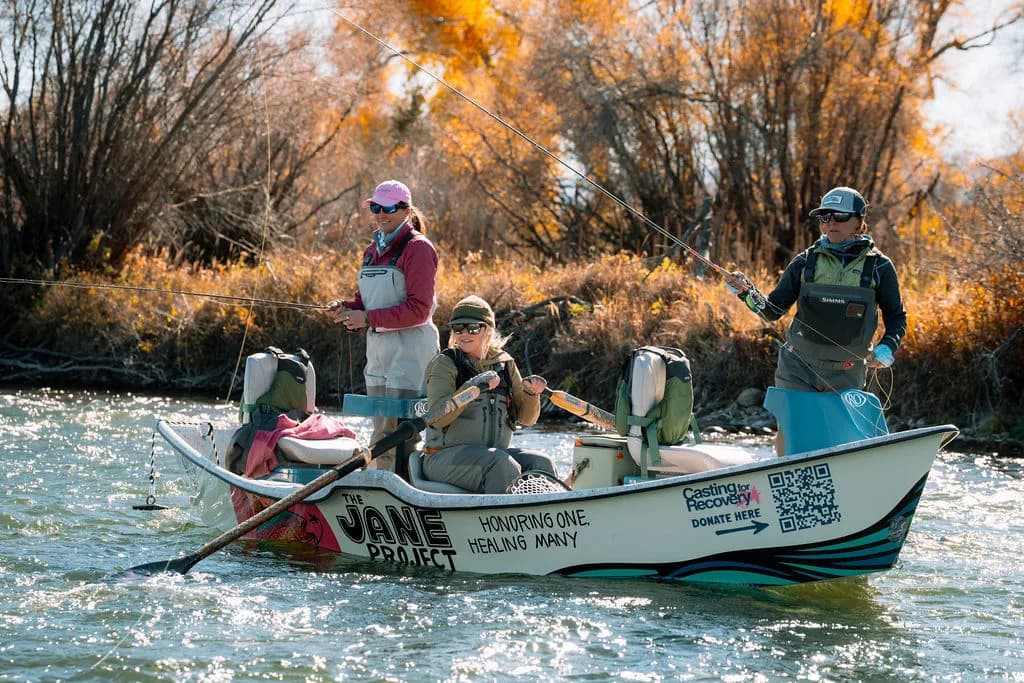
Aspen —“The love for rivers can bring us together and that’s what I’m most excited about.”
Cassidy Willey didn’t mince words when describing the stakes for Western Slope anglers this spring. She’s not just talking about the thrill of the catch; she’s talking about survival. The 20th annual Fly Fishing Film Tour (F3T) arrives at The Arts Campus at Willits on May 8, but the real story isn’t the movie screening. It’s the warning being issued by the people who know the water best.
The event kicks off at 6:30 p.m. with an artist pop-up featuring Willey, who traces precise river data to create abstract landscapes that mimic how water actually moves. It’s art, sure, but it’s data-driven art. Then comes the screening at 7:30 p.m., followed by a panel on river health featuring Heather Sackett, Christina Medved, Lincoln Neiley, and Scott Spooner.
Rick Lofaro, Executive Director of the Roaring Fork Conservancy, is the one sounding the alarm. He’s blunt about the current state of the Roaring Fork River. The river already peaked with runoff on March 27. That’s months early.
“Months early” is the key phrase. Most folks expect the river to swell in late spring or early summer. Instead, we’re looking at a hydrological curveball that has the conservancy deeply concerned about low flows and elevated river temperatures.
Lofaro isn’t asking for a ban. He’s asking for self-regulation. The angling community needs to stay off the water when necessary, especially during voluntary closures. The message is simple: don’t be part of the problem.
The focus is on invasive species. Colorado Parks and Wildlife is pushing the “Clean, Drain, Dry” campaign, but Lofaro is expanding the scope. It’s not just about boats. It’s about waders. It’s about kayaks. It’s even about your dog’s paws.
“We need everybody to be part of the solution instead of part of the problem here, and not spread these things,” Lofaro said.
He’s calling out commercial outfitters, casual waders, and weekend warriors alike. If you step into the river, you need to clean, drain, and dry. Boats, powerboards, kayaks, waders, river sandals — if it touches the water, it needs attention.
Willey, who is represented by Main Street Gallery in Carbondale and Redstone Art Gallery in Redstone, will be selling framed small prints, waterproof decals, and miniature originals. The live painting session starts at 6:30 p.m., inspired by actual river patterns. It’s a visual reminder of what’s at stake.
The event is presented by Skwala, Yeti, and Costa. It’s a medley of short films celebrating fishing adventures, culture, and conservation. But the subtext is clear: the environment is changing, and we need to adapt.
For context, this isn’t just a movie night. It’s a community gathering aimed at keeping the rivers viable for the future. The film tour is touted as the original and largest fly fishing-film tour in the world, but its 20th anniversary year centers on wild places and environmental stewardship.
Lofaro notes that the angling community will need to stay off the water when necessary. Voluntary closures are already in play. The risk is that low flows and high temperatures stress the fish, making them more vulnerable to invasive species and disease.
The practical impact? If you’re planning a float trip this summer, you’re going to need to pay attention. You can’t just show up and cast. Gear must be cleaned. You need to know when the river is closed. Respect the voluntary restrictions.
Willey’s art captures the fluidity of the water, but Lofaro’s message is rigid: discipline. The river is already in dire straits. We have the opportunity to keep things at bay, but only if we participate.
The event is at The Arts Campus at Willits. Doors open for the pop-up at 6:30 p.m. Screening starts at 7:30 p.m. It’s free, but the cost of inaction is measured in empty rivers.
If you don’t clean your waders, you’re not just annoying the locals. You’re helping spread the invaders that could wipe out the fishery you love. That’s the bottom line.
Keep up with Aspen
The day's Western Slope news, one email each morning. Free.
NWRM CASA Honors Judge O’Hara and Founders at 15th Anniversary
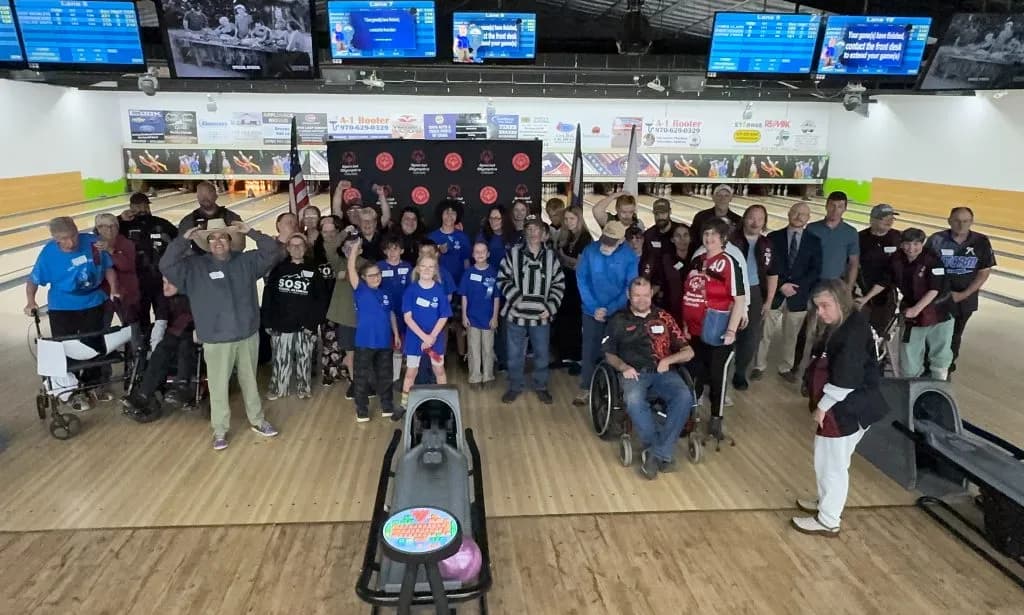
Craig Hosts Only Regional Special Olympics Bowling Competition