Roaring Fork Outdoor Coalition Spends $132K on Trail Fixes and Weed Control
The Roaring Fork Outdoor Coalition is investing $132,000 this summer to repair trails and remove invasive weeds across Pitkin and Eagle counties, funded by state grants and local contributions.
Gunnison —The Roaring Fork Outdoor Coalition is spending $132,000 this summer to fix trails and rip up invasive weeds across the valley.
That is the short version of the eight projects launching now. The money comes from two main buckets: $87,000 from state and regional sources, and $45,000 from local pockets. Pitkin County, Aspen, Snowmass Village, and Eagle County are chipping in the local share.
Carly O’Connell, the coalition chair, says the goal is bigger than just cleaning up a few dirt paths. She wants to treat the watershed as a single system. That means looking past jurisdictional lines. It means seeing how a trail in Basalt connects to wetlands in Carbondale.
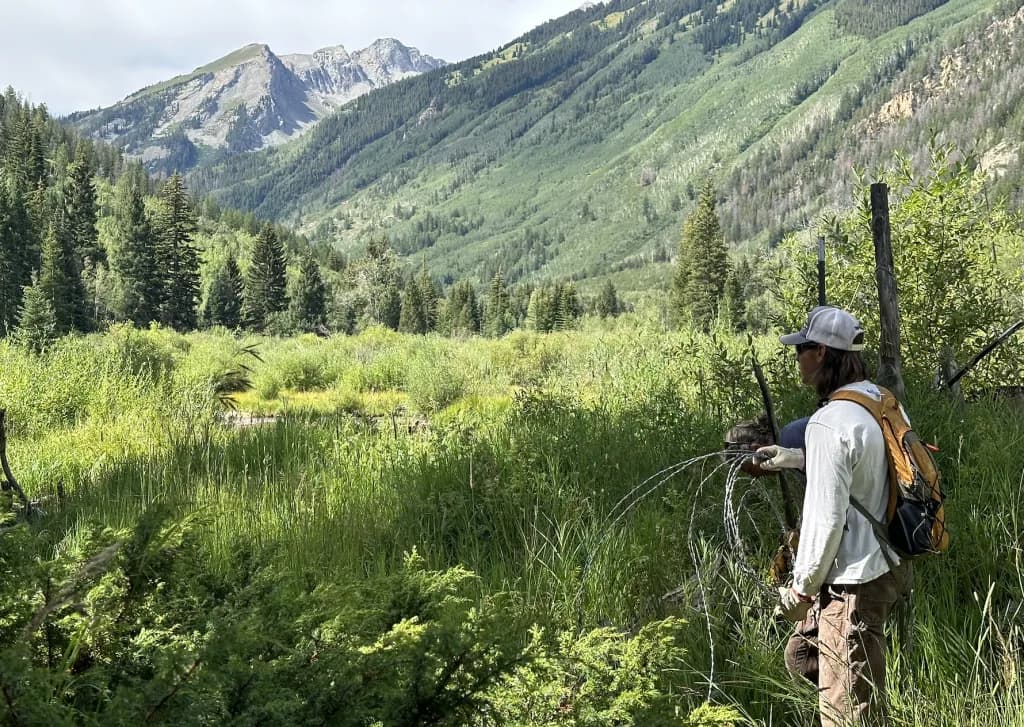
The work starts immediately. Crews are hitting trails in Aspen, Snowmass Village, Basalt, Carbondale, and up Independence Pass. They are pulling cheatgrass, poison hemlock, and spotted knapweed. These aren't just pretty flowers. They are invasive species eating away at the valley’s vital riparian wetlands.
Another chunk of the budget targets Basalt Mountain, Light Hill, Thomas Lakes, and Red Hill. The work there is more structural. It involves drainage installation. It means tread stabilization. It’s about erosion control and better wayfinding so locals don’t get lost on their morning jog.
This isn’t a solo effort by a single agency. The coalition is a mashup of Pitkin County Parks and Open Space, Snowmass Village, Basalt, Glenwood Springs, and Eagle County. Add in federal players like the U.S. Forest Service and Bureau of Land Management, plus Colorado Parks and Wildlife. It’s one of over 20 such partnerships in the state.
Local nonprofits are doing the heavy lifting on the ground. Roaring Fork Outdoor Volunteers and the Roaring Fork Mountain Bike Association are the boots on the dirt.
O’Connell says this setup allows for "significant opportunity to work together with nonprofit partners, local land managers, federal partners and folks from the state."
Make no mistake: this is pilot work. A strategic plan for the next five to ten years is still being written. It’s not finished. But the coalition isn’t waiting for the final draft to start digging. They need to show results. They need to test their tools in the real world.
"We need to show some pilot projects," O’Connell said. "What we have is a really unique opportunity in the middle of a planning process to take our plan and take our tools and test them."
The funding comes from Colorado Parks and Wildlife and Great Outdoors Colorado. That state cash matches the local investment. The hope is that proving these projects work will unlock more money later. Expansion is the stated goal.
The projects cover visitor services improvements. They include public lands campaigning. They even touch on Independence Pass restroom access and maintenance. It’s a broad sweep of the area’s recreational infrastructure.
Visit roaringforkoutdoors.org if you want to dig into the details yourself. But the bottom line is simple: locals are paying for trail maintenance and weed control. The question is whether the results will justify the spend. Or if this is just another layer of bureaucracy wrapping around the same old dirt roads.
The coalition says it’s stewardship. Critics might call it expensive optimism. The trails will tell the truth in a few months.
Keep up with Gunnison
The day's Western Slope news, one email each morning. Free.