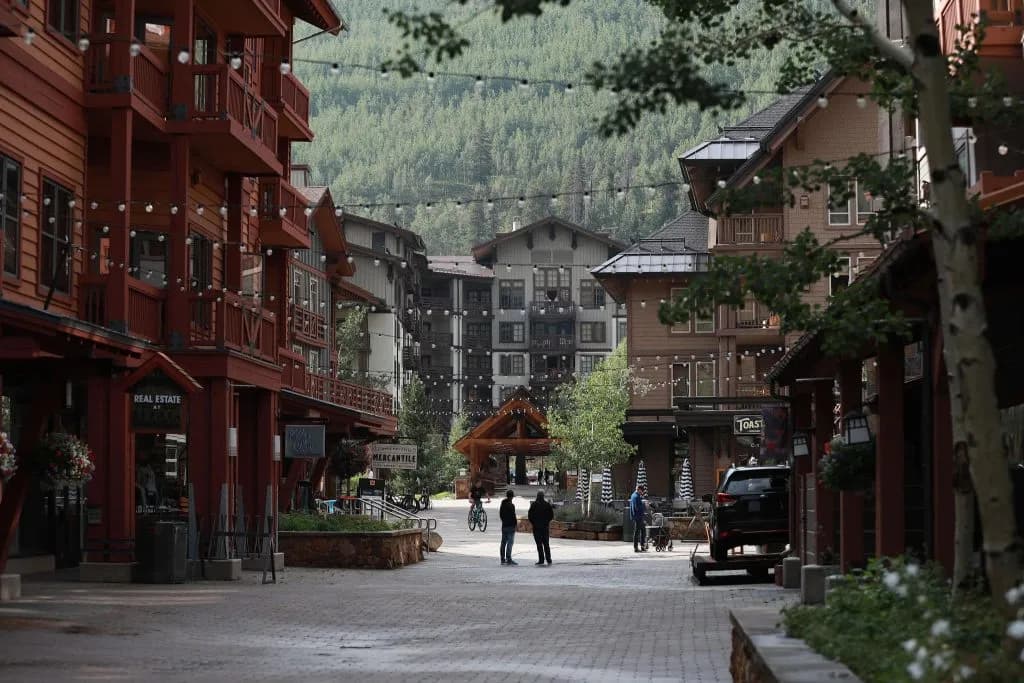
Roaring Fork Teachers and Glenwood Fire Face Cost-of-Living Crisis
Residents urge support for a school bond to retain teachers and highlight a $1.6 million fire deficit, exposing the financial strain of high living costs on local public services.
Glenwood Springs —The afternoon light hits the jagged peaks of the Maroon Bells, casting long shadows across the valley floor where the wind still carries the dry scent of pine needles and diesel exhaust. It’s a quiet kind of quiet, the specific silence that settles over Glenwood Springs when the tourists have gone and the locals are left to grapple with the bills on their kitchen tables. In this stretch of Colorado, where the cost of a cup of coffee and a square foot of living space have climbed steeply alongside the mountains, the political conversations are rarely abstract. They are about survival, about keeping the lights on and the teachers in the classroom.
The Post Independent ran a collection of letters this week that capture the friction points in our community, ranging from the Roaring Fork School District’s ballot measure to the city’s fire department budget. These aren’t just complaints; they are calculations made by neighbors who live with the consequences of state policy and local austerity.
Ted Frisbie, a resident of Carbondale, wrote to urge voters to support Measure 5C, the mill levy override for the Roaring Fork School District. His argument rests on a painful arithmetic that many folks around here recognize immediately. He points out that while teachers don’t teach for the money, they do need to be able to afford rent. With some of the highest health insurance costs in the state and a cost of living that rivals any major metro, teachers are being priced out. Frisbie notes that average teacher pay ranks 16th in Colorado, a discrepancy that makes it difficult to attract new educators or keep the quality ones we have.
The letter highlights a complicating factor that often goes unmentioned in local debates: the state of Colorado recently revised its per-pupil operating revenue formula, cutting funding for districts with a high cost of living. This means the state is shorting the very districts where it is most expensive to live, forcing local citizens to chip in more or accept that their teachers will move somewhere they can afford. Frisbie argues that 5C is the mechanism to fix this, noting that owners of homes worth $500,000 would pay just $90 per year — $7.50 a month — to make starting salaries competitive with other districts in the state.
Elsewhere in the letters, the focus shifts to public safety and the strain on municipal finances. A member of the city’s Financial Advisory Board, a volunteer group that reviews budgets and makes recommendations to City Council, detailed the funding gap in the fire department. The board spent many hours this spring receiving briefings from city staff, uncovering a shortfall of about $1.6 million in the portion of the property tax dedicated to fire and emergency medical services.
This deficit has been subsidized by the city’s general fund, a move that has resulted in a deficit in that fund for the last two years. The concern is acute because the general fund provides essential services to all other funds; when it runs dry, everything else wobbles. The letter notes that a similar situation exists in the Rural Fire Protection District, creating a dual pressure on resources. The board decided to commission a survey to better understand the scope of the issue, a step that signals how deep the financial cracks have become.
These letters paint a picture of a community trying to balance high living costs with the need for robust public services. It’s a tightrope walk between state mandates and local reality, where every dollar spent on fire suppression or teacher retention is a dollar pulled from another pocket. The valley’s beauty is undeniable, but the infrastructure that keeps it livable is under a strain that shows up in these pages, line by line.
The wind picks up again outside, rattling the window frames with a dry, rhythmic click. It’s a reminder that out here, nothing is static, and the ground shifts under your feet with every new budget cycle.
Keep up with Glenwood Springs
The day's Western Slope news, one email each morning. Free.



Roaring Fork Superintendent Details Two-Year Progress on Strategic Plan

Grand Junction Trooper Sues Colorado State Patrol Over Hostile Work Environment