Roaring Fork Valley Nonprofit Pays Teachers $75 Hourly to Tutor Students
Summit54 pays licensed teachers $75 hourly to tutor elementary students in the Roaring Fork Valley, addressing literacy gaps while providing supplemental income for educators facing high housing costs.
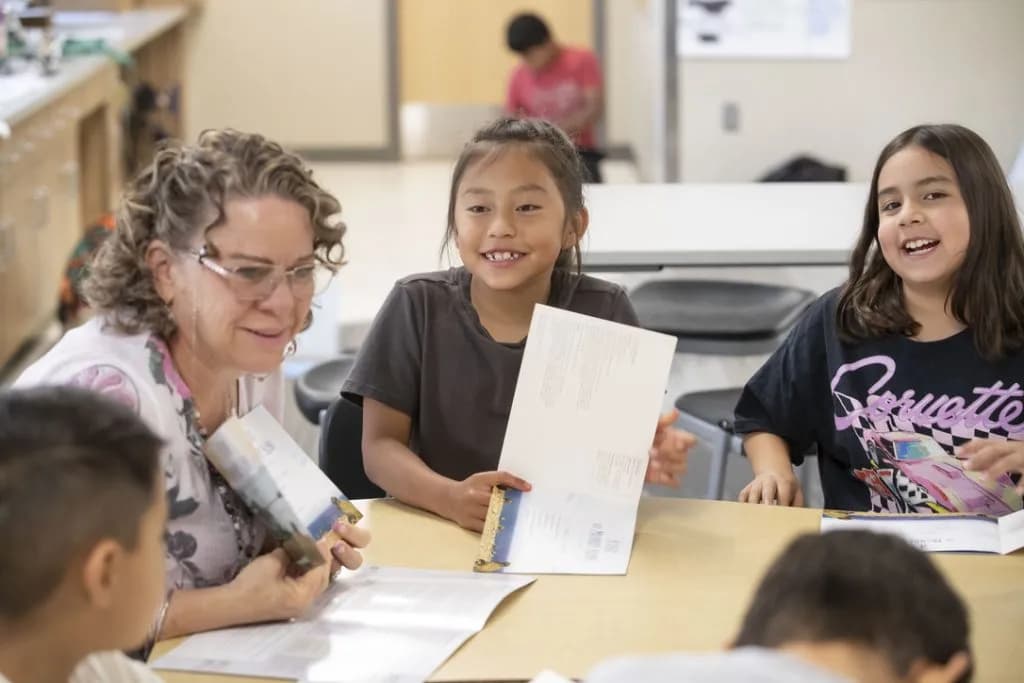
Glenwood Springs —Forty-hour weeks. $75 an hour. That’s the rate Summit54 is paying licensed teachers to tutor elementary students in the Roaring Fork Valley.
It’s a number that stands out in a region where housing costs have outrun wages. For context, the nonprofit’s after-school program is now in its seventh year, serving roughly 400 students annually. This year, 39 teachers are participating, offering hour-long lessons on Mondays, Tuesdays, and Thursdays. Class sizes are small — typically eight to 10 students — which allows for targeted instruction rather than broad lecture-style teaching.
The Post Independent reported that Summit54 Executive Director Terri Caine was clear about the program’s intent. It’s not a drop-off center for working parents, though it certainly helps with childcare logistics. “It’s a tutoring program to help students who need extra help,” Caine said. Teachers identify which students would benefit most from the free sessions, creating a merit-based entry system that focuses resources where academic gaps are widest.
The schools involved span the valley: Basalt, Crystal River, Glenwood Springs, Two Rivers, Riverview, and Sopris Elementary. By spreading the program across multiple sites, Summit54 avoids overburdening any single facility while ensuring geographic equity. A kid in Basalt gets the same access to licensed tutors as a kid in Glenwood Springs.
Let’s do the math on the funding side. Summit54 is a 501(c)(3) with very low overhead. Ninety percent of raised funds go directly to program costs, primarily teacher pay. The remaining 10% covers an independent audit, a part-time controller, and website updates. In practice, this means donor dollars aren’t getting eaten by administrative bloat; they’re hitting the classroom.
Why focus on elementary literacy? Because the stakes escalate quickly. Caine noted that starting in fourth grade, 50% of new information is delivered in written format. If a student can’t read at grade level by the end of third grade, catching up becomes exponentially harder. There’s a strong correlation between third-grade literacy rates and high school dropout rates, which in turn correlates with incarceration. Fixing the leak early is cheaper than patching the hole later.
There’s also a secondary benefit for the educators themselves. The Roaring Fork Valley housing market is tough, and school districts struggle to keep up with rising costs. By paying $75 per hour, Summit54 provides teachers with an additional income stream that helps offset local living expenses. It’s a retention tool disguised as a tutoring service.
The organization also runs a five-week Summer Advantage program, which started in 2012 after the Roaring Fork School District cut its own summer offerings due to funding issues. About 600 students participate each year, mixing academics with field trips and guest speakers. It fills a gap the district left open, keeping kids engaged during the summer months when learning loss often sets in.
For locals, the practical impact is straightforward. If your child is struggling with reading or writing in grades K-5, there’s a free, structured option available after school at six different locations. You don’t need to apply; the teacher makes the invitation. And if you’re a licensed teacher looking for supplemental income that doesn’t require a second full-time job, the $75/hour rate is competitive for the valley.
The bottom line: Summit54 is using donor money to plug two holes simultaneously. One is the academic gap in elementary literacy, which predicts future dropout rates. The other is the economic squeeze on teachers, who need extra cash to stay in the valley. By paying them well for a few hours a week, the nonprofit keeps qualified educators in the classroom longer. That’s a win for the students, the teachers, and the taxpayers who fund the schools.
Keep up with Glenwood Springs
The day's Western Slope news, one email each morning. Free.




Glenwood Clinic Parking Lots Fill for Unproven Peptide Injections
On the ridge above Glenwood Springs, the wind usually whips off the peaks before it reaches the parking lots