Skiers Sue Vail, Alterra, Powdr and Boyne Over Ski Lift Price-Fixing
Three skiers filed a class-action lawsuit in Denver alleging Vail Resorts, Alterra, Powdr, and Boyne fixed lift ticket prices by sharing confidential data.
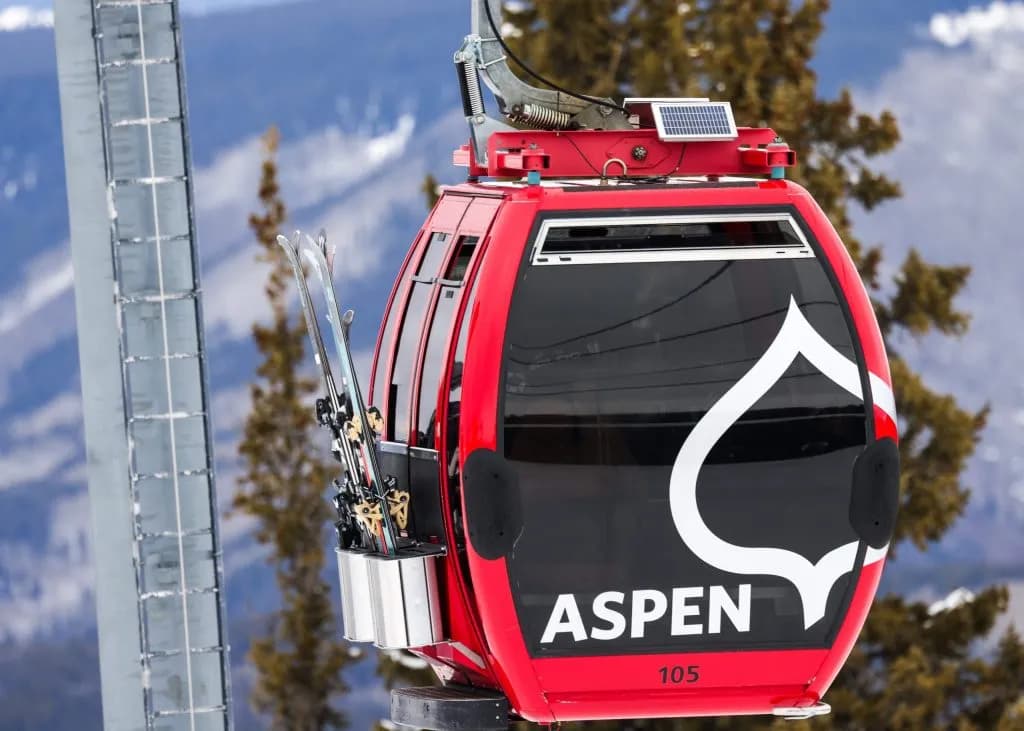
Aspen —The air at Steamboat Resort tastes different now. It’s thinner, sharper, and significantly more expensive than it was a few years ago, a change that hits your wallet harder than the altitude hits your lungs. You can feel the shift in the ticket booth, where the price of a single day on the slopes has jumped by roughly 55 percent since 2020, while season passes have climbed about 40 percent. It feels like a personal slight, a quiet tax on the joy of winter, but a new class-action lawsuit argues it’s not just inflation or bad luck — it’s a coordinated conspiracy.
On August 5, three skiers filed suit in U.S. District Court in Denver, claiming that the giants of the American ski industry — Vail Resorts, Alterra Mountain Co., Powdr Corp., and Boyne Resorts, worked together to fix prices. They didn’t just compete; they shared secrets. The complaint alleges that these four companies, which control the vast majority of destination resorts in the country, collaborated with the trade association and data firm RRC Associates Inc. to exchange confidential revenue and pricing information. This wasn’t casual chatter at a trade mixer; it was a systematic sharing of non-public, competitively sensitive business data designed to keep prices artificially high and competition meaningfully low.
If you look closely at the map of American skiing, the strategy becomes clear. Vail Resorts owns the Epic Pass and a sprawling empire that includes Vail Mountain, Park City, Breckenridge, Beaver Creek, and Keystone. Alterra, its closest rival, controls the Ikon Pass and destinations like Deer Valley, Palisades Tahoe, Mammoth, and Winter Park. But they don’t operate in silos. Alterra partners with Powdr to offer access to Copper Mountain and Snowbird, and with Boyne, which owns Big Sky. This web of ownership and partnership created a unified front. The lawsuit argues that beginning around 2020, facing the twin threats of climate change and the global pandemic, these companies stopped trying to undercut each other and started trying to maximize what they could extract from skiers.
"This resulted from neither luck nor happenstance, but from a sustained strategy of consolidation," the complaint states, pointing to Vail and Alterra as the primary drivers. The result is a market where the "big four" can charge supracompetitive prices for destination ski packages, from annual multi-mountain passes to daily lift tickets. The lawsuit claims this information sharing allowed them to set prices at artificially high levels, avoiding meaningful competition with one another.
This isn’t the first time the industry has faced such scrutiny. Another lawsuit filed in March against Vail and Alterra alleges similar price-fixing regarding pass prices, and that case remains pending. This new suit expands the net, pulling in Powdr, Boyne, the National Ski Areas Association, and RRC Associates. The defendants have been quiet about the new filing. Vail Resorts and the trade group declined to comment on the pending litigation, while Alterra, Powdr, and Boyne did not return email requests for comment sent Monday.
For locals who drive the highways between the valley and the mountains, or for the families saving up for a week at Beaver Creek, the distinction between a market correction and a cartel feels vital. The lawsuit suggests that the price hikes we’ve accepted as inevitable are actually the result of a deliberate choice by a handful of corporations to share their books and raise the price of admission together. It’s a challenge to the idea that higher prices are simply the cost of doing business in a changing climate. Instead, it posits that we’ve been paying for the privilege of being kept in the dark about what our competitors were charging.
The snow is still falling on the peaks owned by these giants, but the economics underneath have shifted. The lawsuit paints a picture of an industry that consolidated its power, shared its secrets, and raised the price of admission for everyone else. As the season winds down and the lifts go quiet, the question lingers in the cold air: how much of that price tag is for the powder, and how much is for the partnership?
Keep up with Aspen
The day's Western Slope news, one email each morning. Free.



Aspen Animal Hospital Clinical Leader Dr. Anne Cooley Navigates WellHaven Ownership Shift

Local attorney explains why lawyers prefer competent counsel on the other side