Snowmass Council Split Over $14M Draw Site Housing Plan
A $14 million workforce housing project stalled at a Snowmass Town Council meeting after Mayor Alyssa Shenk clashed with dissenting member Cecily DeAngelo over design choices, delaying relief for 275 waiting employees.
Aspen —The Draw Site is not a housing solution. It’s a $14 million argument.
That’s the reality of Monday’s Snowmass Town Council work session, where a project that has been on the books for three and a half years finally exposed the fractures in the room. The tension wasn’t about whether Snowmass needs housing; it was about who gets to decide what that housing looks like, and whether a single council member’s dissent can derail a process the rest of the body wants to close.
For context, let’s look at the numbers that actually matter. The town reported last year that roughly 275 Snowmass employees were on its housing waiting list. That is a specific, measurable deficit. It’s not an abstract "affordability crisis" floating around town halls; it’s 275 people currently unable to live where they work.
The community feedback has been split down the middle, and the data reflects that division. Since 2024, the town has solicited over 30 public comments, with 21 submissions received in 2026 alone. The split is stark. On one side, residents like Thomas Kosich argue that adding "another large development so close to Base Village will cause irreparable harm." Bill Turner called the proposed buildings "monstrous." On the other side, Jessica Longnecker wrote that she was "astonished the site has not been developed already." Ben Mayrs, a Snowmass Public Works employee, put it bluntly: "please help me find lodging and make this town my home, not just a place I work." Kevin Harris, who has lived in the Crossings for 20 years, noted that without workforce housing, he would never have been able to afford to live and work in Snowmass.
The council’s reaction to this feedback is where the story gets ugly. Mayor Alyssa Shenk stressed the need to move forward, stating, "We need to move forward on refining the project. Once we make the decision, we need to respect the process." She directed her frustration at Council Member Cecily DeAngelo, suggesting she had "violated" the process by using the public session to share her own concerns and bring up a design the council had already dismissed.
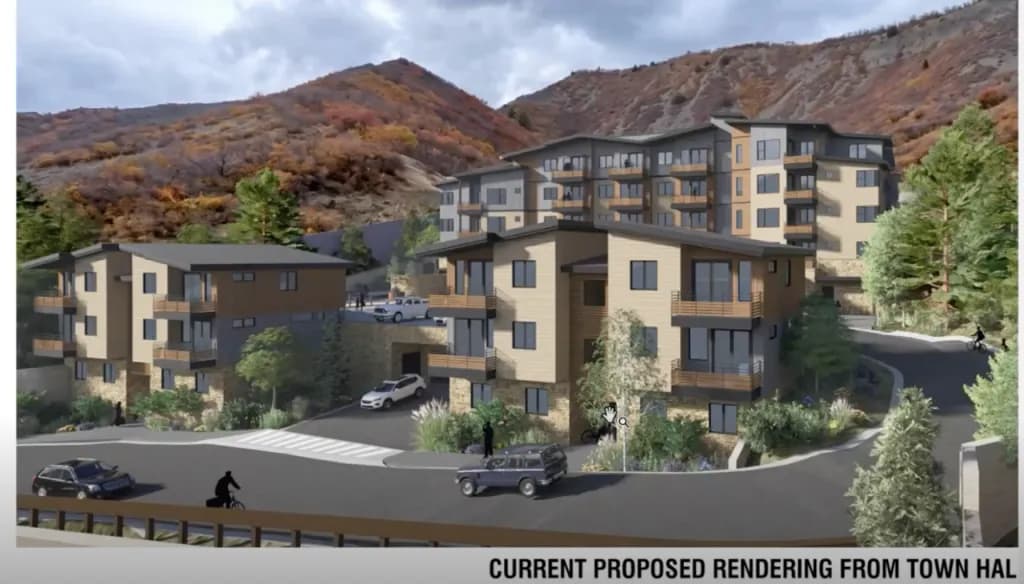
DeAngelo has consistently preferred the drawings presented by consultant Jim Kehoe of Keo Studio Works over those from project lead Site Architects. At the Oct. 5 Town Hall, DeAngelo requested that Kehoe be present. Shenk called this move "orchestrated" and said, "I felt it was really inappropriate and unacceptable."
This isn’t just a design preference. It’s a procedural fight. DeAngelo defended her position, saying she wished they had weighed various options earlier and adding she was "sad to see the process wrap up as quickly as it did." She argued, "I tried really hard to say this doesn’t feel right. I think there’s been a sentiment for a while of 'do we have to do a big apartment building? Is that really our only option?'"
Council Member Tom Fridstein sided with Shenk, stating, "You can’t, after three-and-a half years, say I don’t think we should be doing this project." He expressed pride in the project.
Let’s do the math on the timeline. Three and a half years is a long time to sit on a parcel of land while 275 employees wait. But the cost of delay isn’t just financial; it’s political. When a council member can use a public comment session to re-litigate a design decision that was already made, the "process" Shenk is defending becomes malleable. It’s not a fixed track; it’s a negotiation that never ends until someone runs out of patience.
In practice, this means the Draw Site project is now entangled in a personal dispute between the Mayor and Council Member DeAngelo. The 275 people on the waiting list don’t care who is "orchestrating" what. They care about whether a building goes up, and if it does, whether they can afford to live in it.
The practical bottom line: If the council cannot agree on the design firm, the construction timeline slips. Every month of internal debate is a month where 275 employees are still looking for housing they can’t afford. The town is paying the price for a personality clash, and that cost isn’t in dollars — it’s in lost time.
Keep up with Aspen
The day's Western Slope news, one email each morning. Free.