Snowmass Flags $11.4M Deficit From Aspen Skiing Shortfall
Snowmass officials flagged an $11.4 million deficit driven by an Aspen Skiing shortfall. Reserves will absorb the shock, but repeated bad snow years could exhaust the buffer.
Aspen —Clint Kinney, the Town Manager for Snowmass, and Finance Director Marianne Rakowski wrote a budget memo that doesn’t mince words. They call the 2027 proposal “exceptionally tight.” It’s a phrase that usually signals trouble, but here it’s the result of physics: a bad snow year.
The numbers behind that label are stark. The town projects $143.8 million in revenue against $155.2 million in spending across all funds for 2027. That’s a $11.4 million gap on paper. For context, that deficit is driven by three specific revenue streams coming in below budget: sales tax, the tourism fund’s marketing sales tax, and the lodging tax.
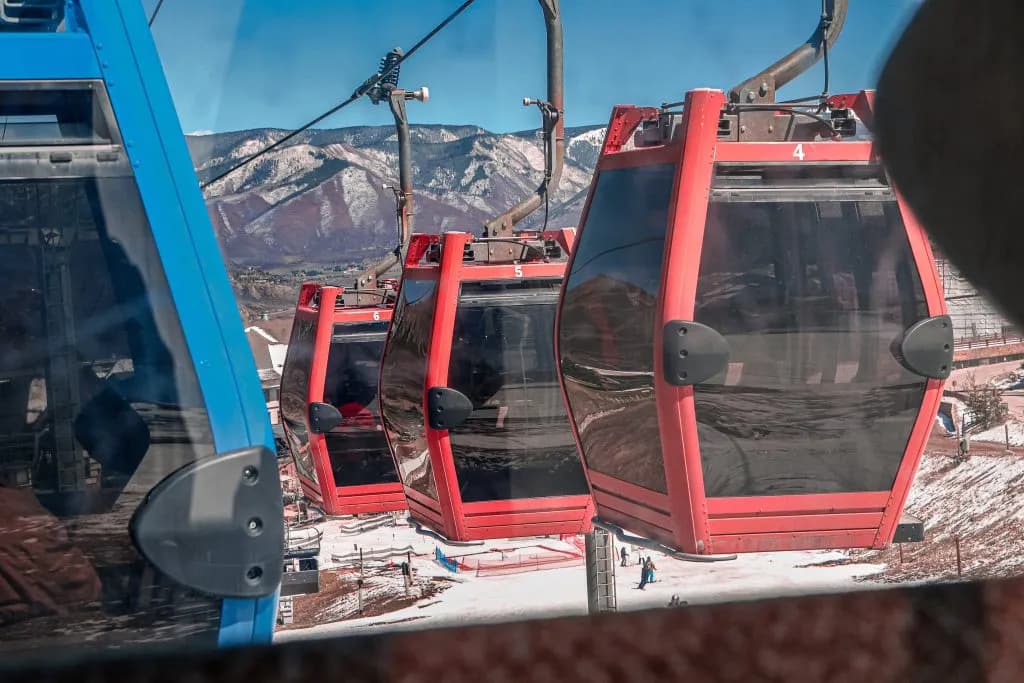
The hit was most visible in a single line item: the payment from Aspen Skiing Company. The company contributes funds based on skier visits, a metric that dropped sharply when the snow didn’t. Snowmass budgeted for $2.3 million from ASC. They received $1.7 million. That’s a 27% shortfall, or roughly $600,000 missing from the ledger.
Kinney and Rakowski note that while 2025/2026 was a low-snow season, they are approaching the 2027 budget with “cautious optimism” and don’t expect low snow to become a trend. They point to the town’s “fiscally conservative budget policy” as the reason the gap doesn’t look catastrophic.
Let’s do the math on those safeguards. One is a “Known Economic Disturbances” reserve, created earlier this year, which now totals $7 million across the General and Tourism funds. That money is specifically earmarked for a potential summer closure of the Aspen/Pitkin County Airport, which would further squeeze visitor revenue. Another safeguard is the operation reserves. Kinney describes these as a “rainy day fund on steroids.” Over the past 13 years, those reserves have grown from 18% to 30% of revenues. In practice, that means the town has a massive buffer absorbing the shock of a bad winter.
The real pressure point, however, isn’t the operating budget; it’s the capital projects.
Monday’s council meeting focused on the Capital Improvements Projects Fund, which handles major multi-year builds. The biggest item is The Draw Site. At $76.1 million, this single project accounts for almost half of the town’s entire projected 2027 spending. To put that in perspective, The Draw Site costs more than the town’s total projected revenue for the year.
The project isn’t green-lit yet. It requires owner and land use approval, plus a council ordinance authorizing the debt to build it. Other major projects in the pipeline include the Mall Transit Center, the Skittles replacement, and the Little Red Schoolhouse.
On the staffing side, personnel costs will rise by 2%. Two new full-time bus driver positions were funded through a state grant, so they don’t hit the local tax base directly.
The practical bottom line for locals is that your property taxes are likely to hold steady or rise only marginally, thanks to those $7 million in reserves and the 30% operating buffer. The town isn’t cutting services to cover a bad snow year; it’s dipping into its savings account. But that buffer is finite. If the next two winters are also light on snow, or if the airport closure drags on longer than expected, that “exceptionally tight” budget will stop being a description and start being a reality. The town has the cash to weather one bad year. It doesn’t have the cash to weather three.
Keep up with Aspen
The day's Western Slope news, one email each morning. Free.