Aspen Hosts Jeff Bridges' Wolf Film and Rancher Panel
Director Susan Kucera brings her new wolf documentary to Aspen's Wheeler Opera House, pairing a Jeff Bridges-narrated history with a panel of local ranchers and ecologists.
Aspen —"Questions about the wild are also decisions about the kind of country we want to be."
Jeff Bridges said that. He’s narrating "In The Company of Wolves: An American Journey," and he’s not mincing words. The Colorado premiere hits Aspen’s Wheeler Opera House at 7 p.m. on Oct. 15.
The short version: this isn’t just a nature doc. It’s a history lesson wrapped in fur and hoofbeats.
Director Susan Kucera, who has worked with Bridges on two previous films partially shot in Aspen, told The Aspen Times the movie spans more than 200 years. It traces wolves, bison, horses, cattle, and sheep from England to the American West. Kucera wanted to show how those interactions shaped the nation, not just the landscape.
It’s a big claim for a 90-minute film. But Kucera says she’s reframing the American mythos. She moves past human ambition to look at the relationship between the wild and the domesticated.
The cast includes members of the Eastern Shoshone Tribe, the Crow Nation, and author Michelle Paver. After the screening, the real work starts. A panel will tackle the harder question: how do people, working landscapes, and wildlife coexist?
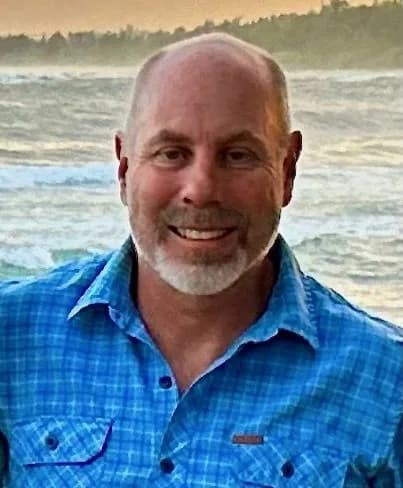
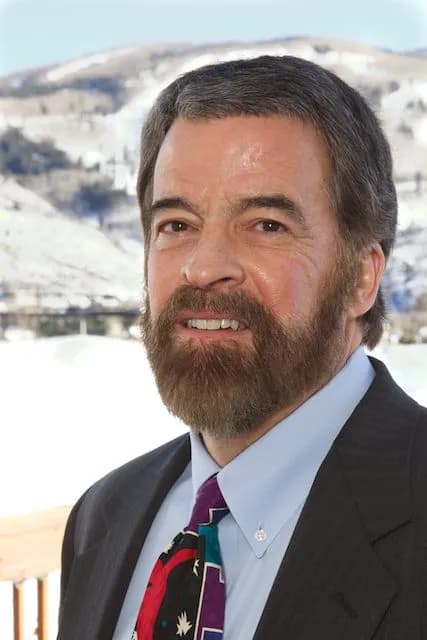
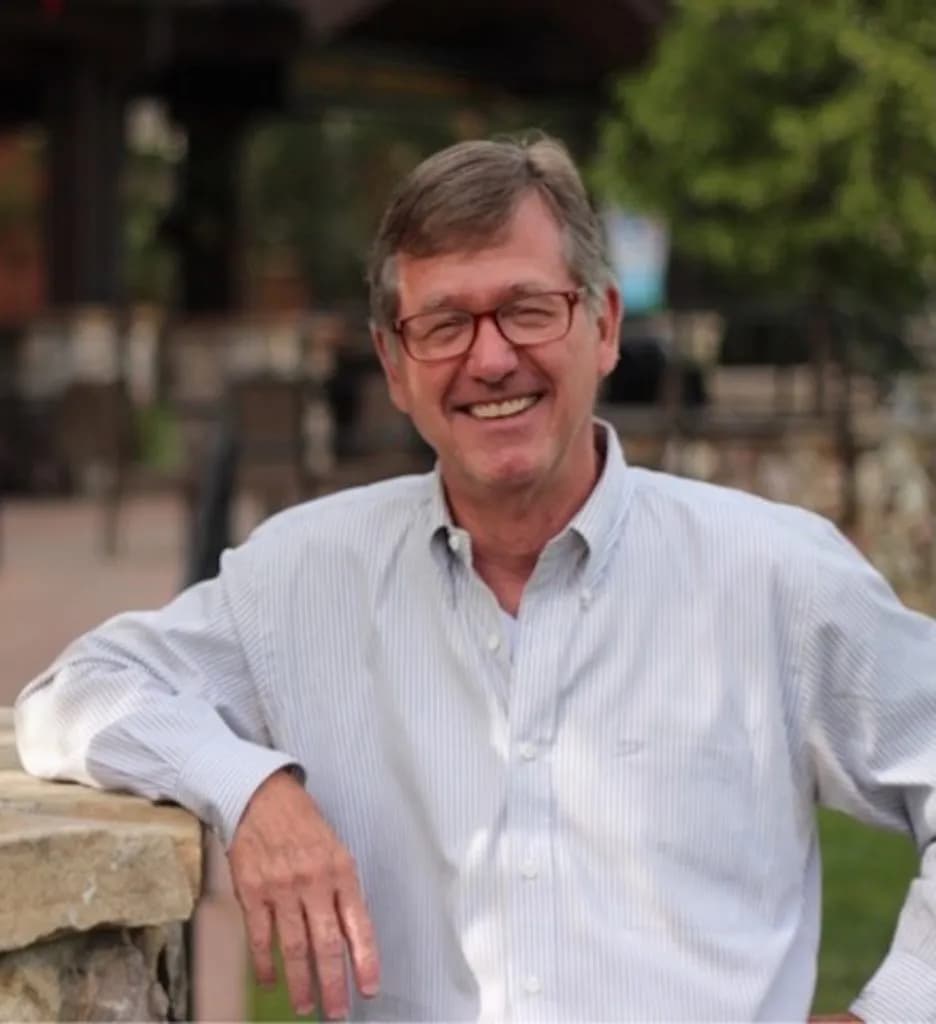
The lineup is heavy. Kucera joins Eric Washburn, a fifth-generation Coloradan and ecologist. Cristina Eisenberg, a Native American ecologist and wolf expert, is there. So are Delaney Rudy of the Western Watersheds Project, Mark Harvey (Aspen Journalism board president and rancher), and Tony Vagneur (local rancher and Aspen Times columnist).
Kucera is betting on the panel to break the logjam. She told The Aspen Times that everything is "so polarized and it doesn’t actually need to be." She thinks there’s good ground for talking about working alongside the wild. It’s challenging, she admits, but doable.
She noted that a rancher thanked her for the film. Wolf conservationists responded positively, too. She’s confident she found common ground.
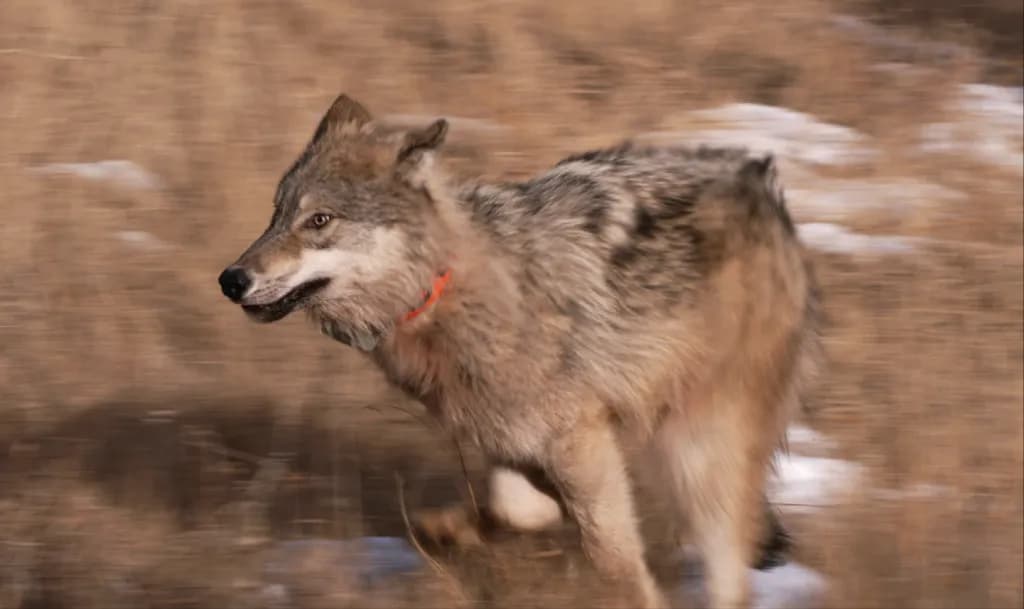
Make no mistake: this is a test run for the wider Western Slope debate. Wolves are back in Colorado. The reintroduction isn’t a hypothetical; it’s happening now, on the same range where cattle and sheep graze. The friction is real. The panelists represent that friction directly — ranchers on one side, conservation advocates on the other, ecologists in the middle.
The film itself is a bridge. Kucera included the jump from England to the New World to show how those ancient interactions ended up defining us. Bridges calls it a journey worth taking.
The screening is free to attend, but the cost of inaction isn’t. If the panel stays polite, it fails its purpose. Kucera wants a conversation about coexistence, not a recital of grievances.
Wolves don’t care about our property lines or our ballot initiatives. They follow the bison. The bison followed the grass. That’s how it started 200 years ago, and that’s how it continues today.
The question isn’t whether wolves belong here. They do. The question is what we’re willing to give up to keep them there, and whether we can agree on the price before the next predator ends up in a neighbor’s pasture.
Kucera thinks we can talk about it. Bridges thinks it matters. The rest of us get to decide if the conversation is worth having in a room full of people who don’t usually agree on anything.
Wheeler Opera House. Oct. 15. 7 p.m.
Keep up with Aspen
The day's Western Slope news, one email each morning. Free.