Vail Writer Argues Humility Is Key To Effective Local Leadership
Horan-Kates argues that effective Vail Valley leaders must balance personal humility with professional will, citing Jim Collins' Level 5 framework to guide local decision-making.
Aspen —The air in the Vail Valley has a specific weight to it right now, thick with the quiet hum of ski season planning and the low-grade anxiety that comes with running a business in a town where everyone knows your name. If you’ve ever sat across from a local leader — a city council member, a resort executive, or a school board trustee — you’ve likely felt that tension. You’re wondering if they’re listening to you, or just waiting for their turn to speak. It’s a question that lingers in the back of your mind when you’re trying to get something done, whether it’s a zoning variance or a community project.
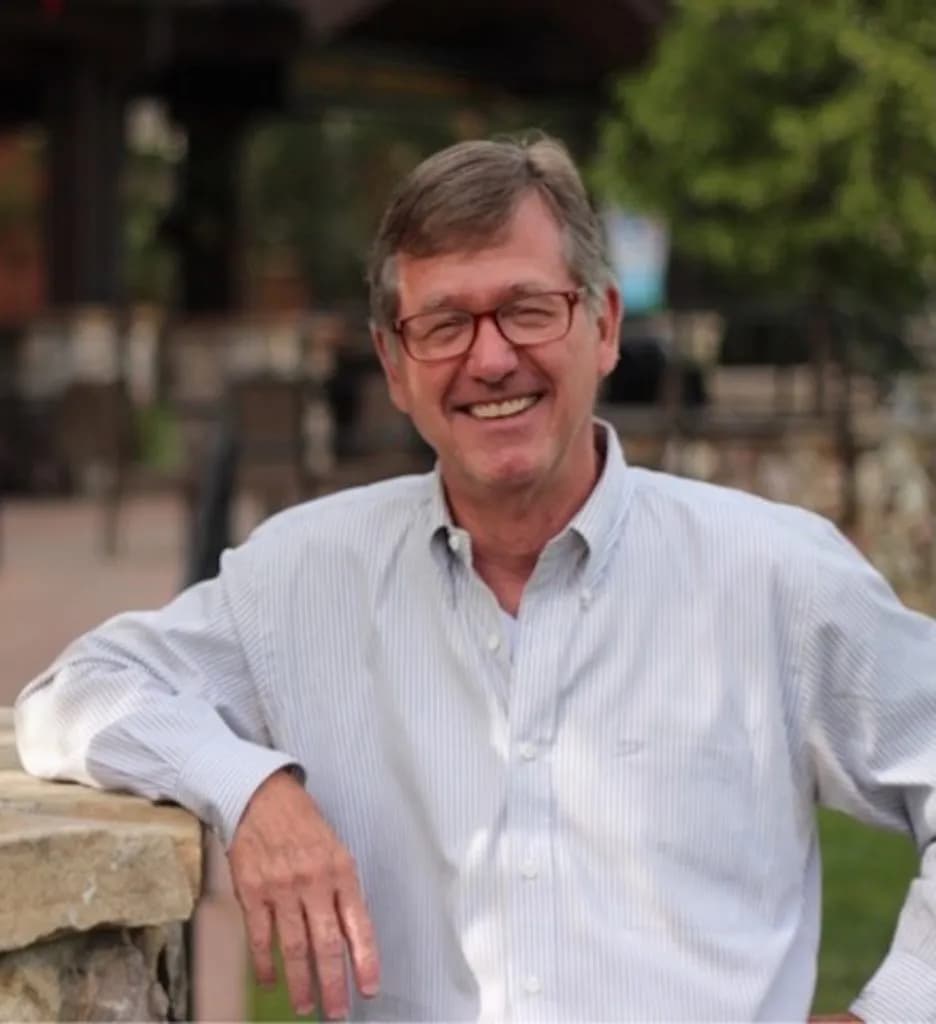
In a new opinion piece for the Vail Daily, Horan-Kates tackles that exact friction. The question isn’t just about personality; it’s about power.
Horan-Kates defines humility not as weakness, but as a quiet determination marked by modesty. It is an attitude that holds a healthy ego in balance with the other forces at play, rather than letting pride swell into what he calls a "cancer on humility." He argues that while many view this quality as born from spiritual yielding to a higher power, its practical application in leadership is about respect. It’s the difference between exalting yourself and recognizing that you are one factor among many.
This isn’t abstract philosophy. Horan-Kates points to Jim Collins’ classic "Good to Great," which posits that "level 5 leaders are those who are self-effacing, quiet, reserved and have a paradoxical blend of personal humility and professional will." He notes that this specific blend is rarely taught in MBA programs. It’s learned in the crucible of life, not the lecture hall.
The piece challenges us to look around our own neighborhoods for these traits. It asks who in the Vail Valley exhibits this value? Horan-Kates cites historical figures like Abraham Lincoln, Mohandas Gandhi, Jesus, Eleanor Roosevelt, and Viktor Frankl as benchmarks. But the real test is local. If you find them, he advises, get close.
The practical advice offered is sharp and specific. Instead of using "but," use "and." Instead of saying "I," say "we." Be patient, but determined. Choose an attitude of gratitude. Realize that not knowing is okay. These are small linguistic shifts, but they change the texture of a conversation entirely. They signal to the person across from you that their voice has weight, that your ego is not the center of the room.
Horan-Kates also poses a series of introspective questions that might make you squirm if you’re in a position of authority. What holds you back from exercising patience? How do you keep your ego in reasonable balance? Think back to a situation when you admitted a mistake. What happened next?
There is a warmth to this approach, but it also carries a rough edge. It suggests that if you say you’re a humble person, you probably aren’t. That self-identification is the first sign of hubris creeping in. It’s a reminder that humility is an action, not a label you slap on your LinkedIn profile.
For folks around here, this is more than just leadership theory. It’s about how decisions get made in our valley. When a leader admits they don’t have all the answers, the room changes. The defensiveness drops. The conversation gets real. You can feel it shift from a performance to a collaboration.
The Vail Leadership Alliance offers further resources on the "Inside First" framework, but the core idea is simple enough to apply today. It’s about listening before speaking. It’s about letting others sing your praises instead of doing it yourself. It’s about admitting you’re wrong when you are, rather than hanging on to being right for the sake of your reputation.
As the season turns and the snow starts to dust the peaks, the air feels clearer. It’s a reminder that clarity often comes from letting go of control. The next time you’re in a meeting with local officials or business leaders, pay attention to the words they choose. Do they say "I" or "we"? Do they listen, or do they wait? That’s where you’ll find the answer to whether humility is still alive in our valley’s leadership.
Keep up with Aspen
The day's Western Slope news, one email each morning. Free.