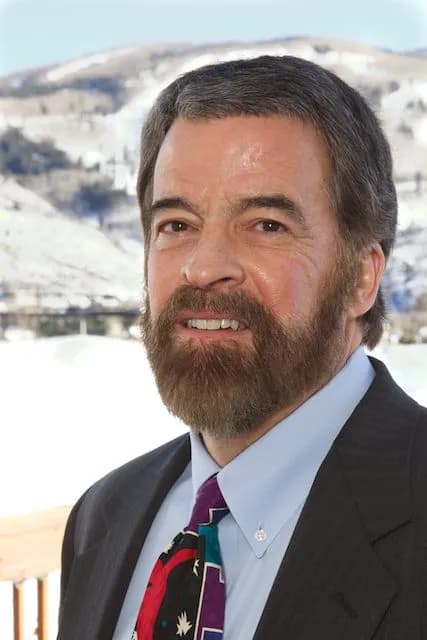
Craig Engineer Challenges Denver Control in Colorado House Race
Craig engineer James Kellogg criticizes Denver’s regulatory burden and energy mandates in a new opinion piece, promising local control for House District 26 voters.
Steamboat Springs —James Kellogg, a Republican candidate for House District 26, is running on a platform to reverse what he describes as two decades of Democratic control in Colorado. In an opinion piece published by the Craig Daily Press, Kellogg argues that the state has become the fourth most expensive and the sixth worst for regulatory burden, citing studies from the Colorado Chamber of Commerce. He notes that while highway and bridge conditions have improved to eighth place, the Western Slope still suffers from high costs and regulatory weight.
Kellogg brings nearly 30 years of experience as an engineering consultant to the race, having specialized in geotechnical, geologic, and water-resources projects across western Colorado. His career has spanned private-sector consulting and work for the Colorado Division of Water Resources. He frames his professional background as a contrast to current state leadership, stating that his job requires adherence to defined scope, schedule, and budget — disciplines he says Denver politicians lack.
The candidate identifies three primary issues facing the Western Slope: affordability, local energy, and water rights. He argues that solutions require problem-solvers who provide measurable results without increasing financial burdens, rather than additional legislation that imposes rules and taxes.
Housing is a central pillar of his plan. Kellogg points to rising costs in local counties, climbing property taxes, and escalating monthly bills that force average residents out of their communities. He specifically criticizes the Sustainable Affordable Housing Assistance Act, SB24-174, arguing it increases bureaucratic burdens on local governments and slows construction. He advocates for removing excessive regulations and building code hurdles, while supporting modular and prefab construction methods to make housing more attainable. He insists the private sector should build attainable housing without government mandates or taxpayer-funded subsidies.
Energy policy forms another major part of his platform. Kellogg argues that Democratic attacks on local energy production are forcing the closure of the Craig and Hayden power stations. He cites the Climate Action Plan to Reduce Pollution, HB19-1261, as a driver of inflated utility bills and the loss of hundreds of high-paying jobs. He also criticizes SB24-230, the Oil and Gas Production Fees Bill, which imposes quarterly fees on production to fund “clean transit” projects in other parts of the state. Kellogg pledges to fight mandates shutting down local energy production and demands local replacement if a coal-fired plant closes, citing experienced workers, an existing distribution grid, and community acceptance.
The text concludes with Kellogg’s commitment to repeal production-related fees, though the full scope of his water rights agenda is not detailed in the provided excerpt. His campaign positions itself as a direct challenge to Denver-centric policymaking, emphasizing local control and fiscal discipline for the communities within House District 26.
Keep up with Steamboat Springs
The day's Western Slope news, one email each morning. Free.