Snyder Fire Holds at 10% Containment as Gold Mountain Blaze Threatens Ouray
The Snyder Fire remains at 10% containment after killing three firefighters, while the Gold Mountain Fire pushes toward Ouray, threatening the Highway 550 corridor and triggering evacuations on Colorado's Western Slope.
Ouray —Three firefighters died. That’s the hard cost of the Snyder fire’s initial push. Now, Mesa County is looking at its largest evacuation ever. Twelve campers. Six dogs. All moved out as flames chewed through rugged terrain along the Colorado-Utah border.
The Snyder blaze sits at 10% containment. It’s not a victory lap. It’s a pause.
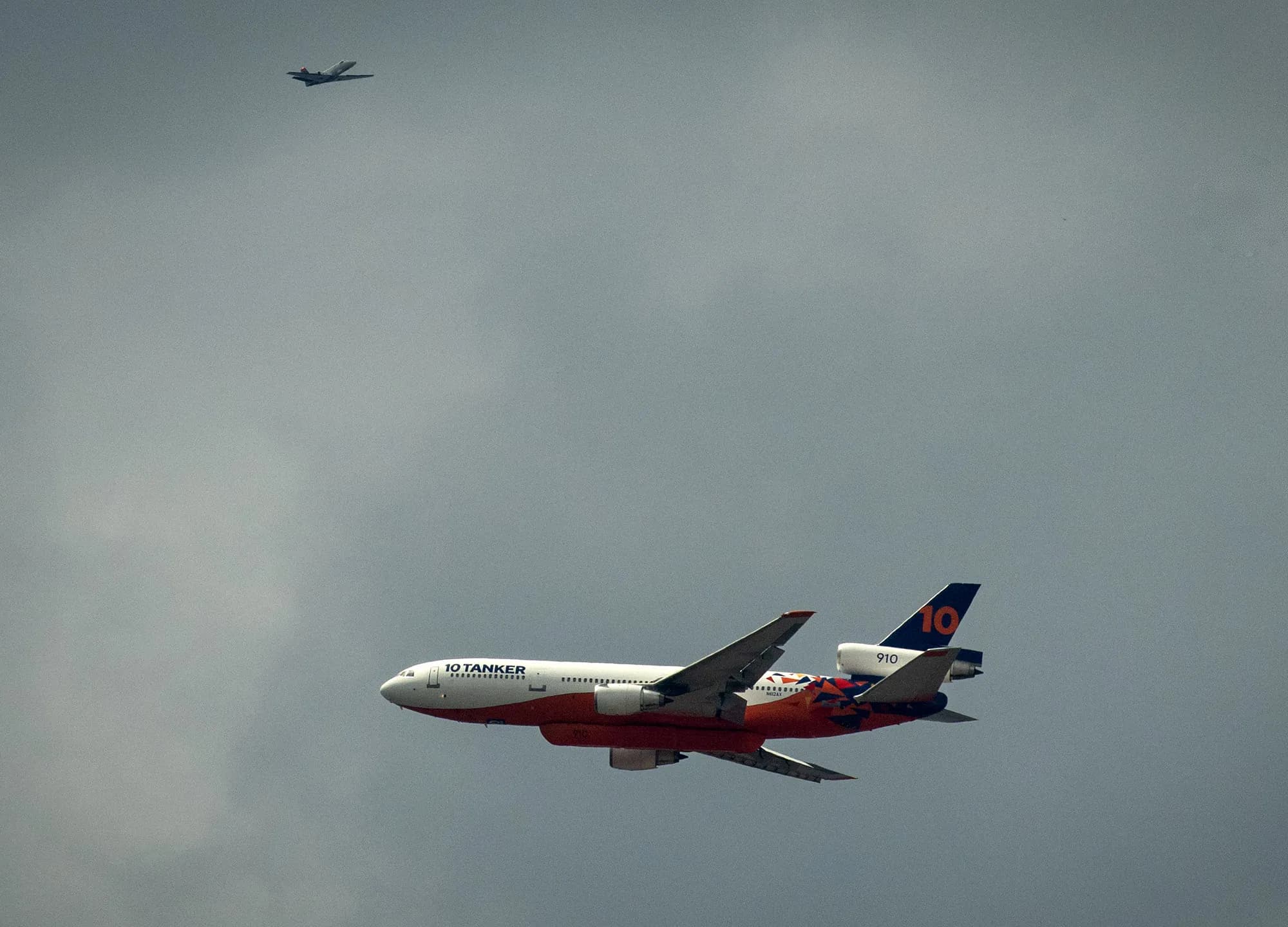
Lighter winds allowed air tankers to fly Tuesday. A Type 1 Skycrane dropped 2,650 gallons of water over the eastern flank. The fire slowed. It hit a rocky area. Fuel ran out. For now.
Nick Ostrom, the operations section chief, called conditions “more favorable.” He didn’t say “safe.” He said crews remain on high alert. If the wind picks up, the fire picks up. It did it a couple of days ago. It will do it again.
The blaze has burned more than 30,209 acres. It’s still growing. It’s still wind-driven. And it’s still sitting right on the border.
This isn’t just a map exercise for locals. The evacuation near the Colorado River disrupted the area’s rhythm. It’s not just about who left. It’s about who’s coming back. And when. The road closures along Highway 550 are part of the equation. Traffic backs up. Commutes stretch. The economy of a small town doesn’t stop because the fire is “contained” at 10%.
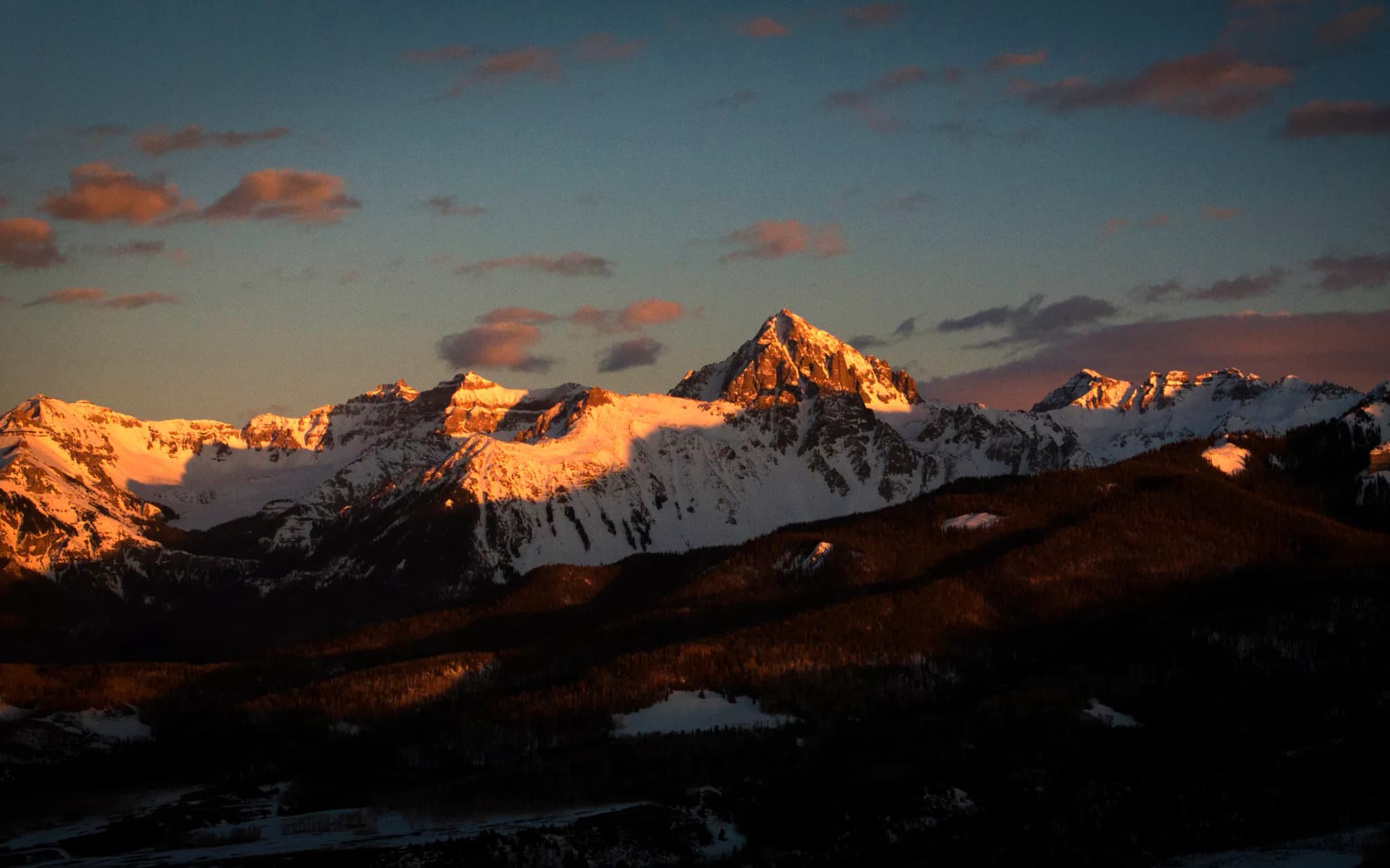
Meanwhile, the Gold Mountain fire is moving up Stealy Mountain. It’s pushing east across the Cow Creek drainage. Strong winds fueled it. It’s heading toward Owl Creek Pass. Evacuations hit hikers and dispersed campers in the Silverjack and West Fork of the Cimarron drainage area. The San Juan mountains are getting tighter.
Firefighters are working to keep it from spreading south toward Ouray. That’s the priority. The terrain is steep. It limits direct attack. Ground crews have to find safe spots to build firelines. Aerial crews are scouting those spots. They’re protecting the Highway 550 corridor. Structures are at risk.
Make no mistake: 10% containment is not 100% containment. It’s a tactical advantage. It’s not a guarantee. The fire is still alive. It’s still hungry. It’s waiting for the wind to shift.
Ostrom noted minimal growth over the last couple of days. Weather drove that. Winds were lighter. But the fuel load is there. The topography is there. The only variable is the wind. And wind doesn’t care about containment percentages.
Read that again.
The Snyder fire killed three firefighters. That’s a fact. It’s not a statistic. It’s a loss. It’s a hole in the crew. It’s a reminder that this isn’t a drill. It’s a battle for survival. For the land. For the people living in the shadow of the flames.
The evacuation of 123 campers and six dogs was a logistical feat. It was also a disruption. It’s worth watching how long it takes for those campers to return. How long it takes for the roads to reopen. How long it takes for the local economy to stabilize.
The Gold Mountain fire is another story. It’s moving. It’s pushing. It’s threatening Ouray. It’s threatening the Highway 550 corridor. It’s threatening the people who live there. The terrain is steep. The fire is fast. The crews are stretched.
This is the Western Slope in July. It’s hot. It’s dry. It’s windy. And it’s burning.
The Snyder fire is 10% contained. The Gold Mountain fire is spreading. The crews are tired. The wind is waiting. And the locals are watching.
They’re watching the skies. They’re watching the roads. They’re watching the containment maps. And they’re waiting for the next shift in the wind.
Keep up with Ouray
The day's Western Slope news, one email each morning. Free.

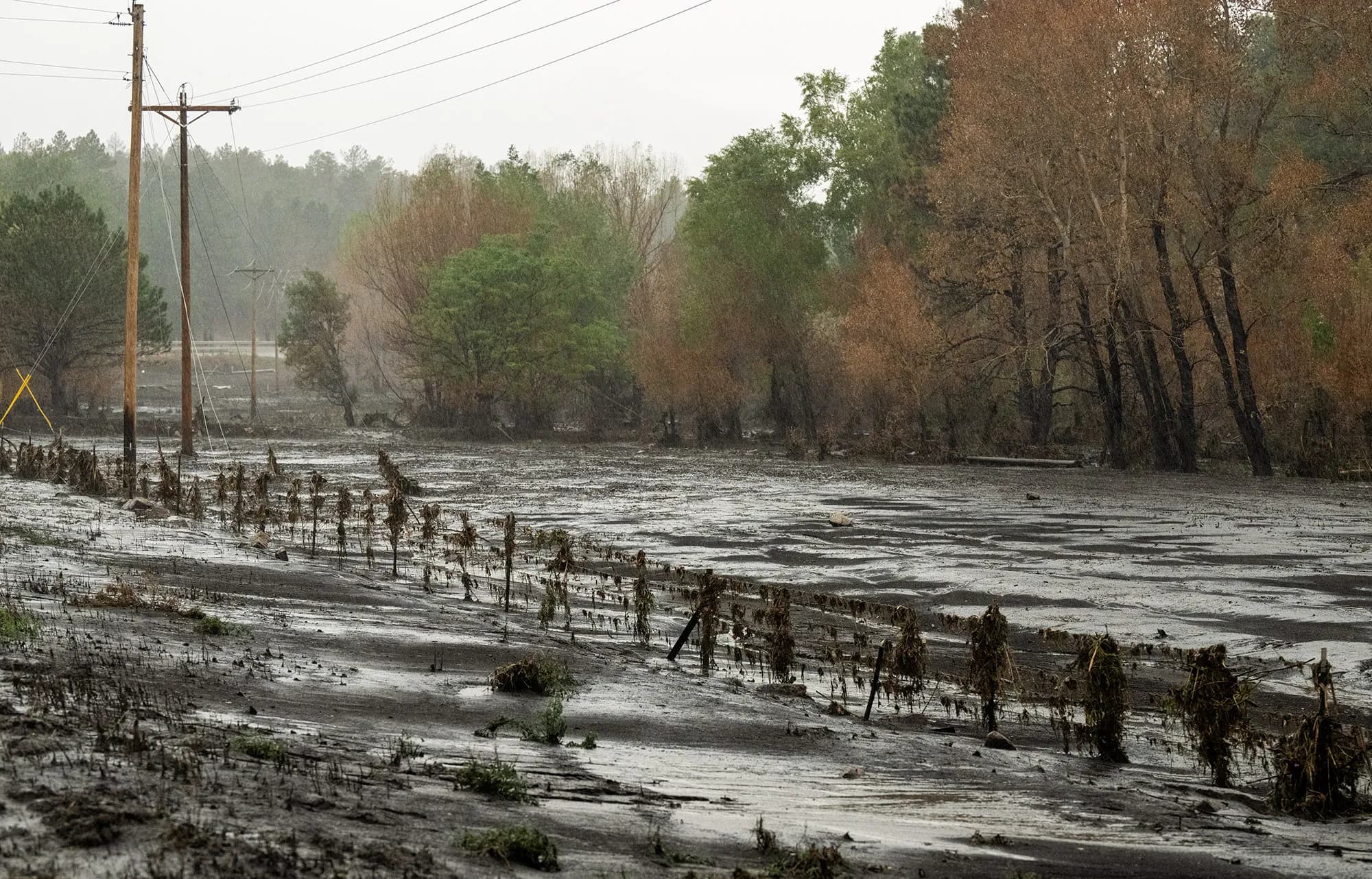
Heavy Rain on Gold Mountain and Aspen Acres Fires Closes Highways in Southern Colorado
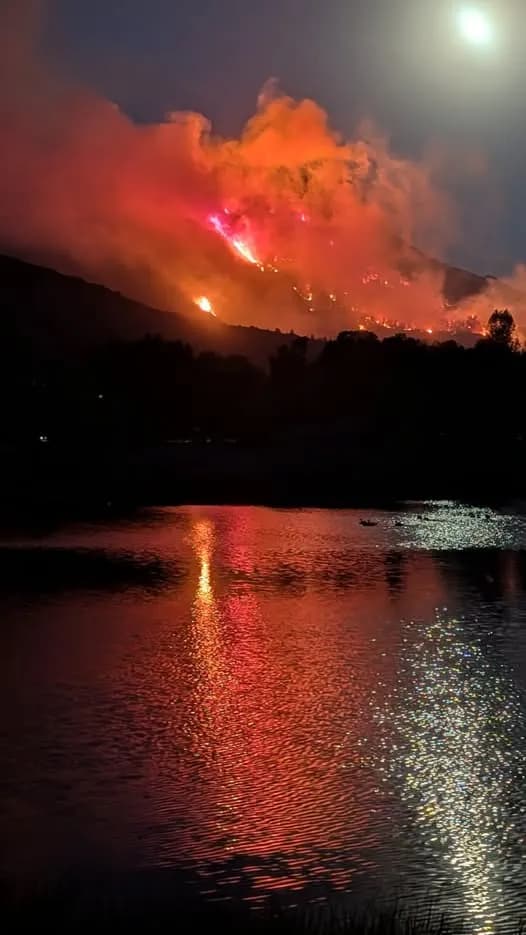
Ouray County Sheriff Declares State of Emergency as Gold Mountain Fire Burns 600 Acres