Union Pacific Hi-Rail Trucks Aid Mesa County Search and Rescue in 123-Rafters Evacuation
Union Pacific’s specialized hi-rail trucks helped Mesa County Search and Rescue evacuate 123 rafters and six dogs from the rapidly expanding Snyder fire in Ruby-Horsethief Canyon, turning infrastructure into a lifeline.
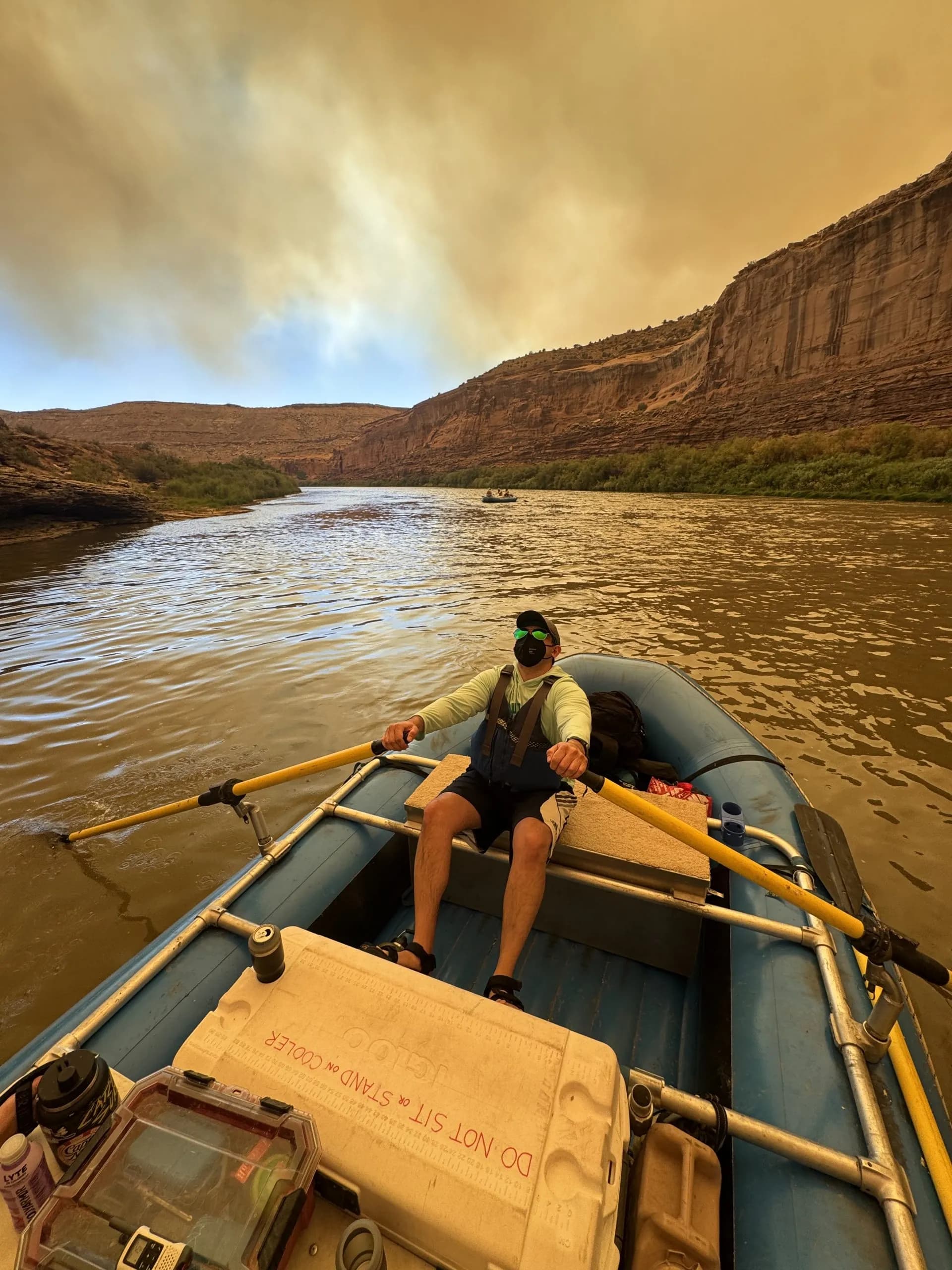
Grand Junction —Smoke hung low over the Ruby-Horsethief Canyon on Saturday morning, thick enough to taste and heavy enough to choke the roar of the Colorado River. Caleb Weinberg and his crew of nine weren’t just dealing with gusting winds; they were navigating a landscape that was actively trying to bury them. Ash fell like snow. The sky was a bruised purple. And somewhere up the ridge, a fire was eating through the timber at a rate that defied logic.
That fire — the Snyder fire — had exploded into a 28,000-acre beast in a matter of hours. And it was hungry for the people camping in its path.
This wasn’t a drill. It was the largest evacuation mission in the history of Mesa County Search and Rescue, and it required more than just volunteers with flashlights. It required Union Pacific rail-riding trucks, specialized vehicles with steel flanges that could cruise the tracks while also driving on highways, to haul over 120 rafters and six dogs out of the canyon.
Let’s look at the logistics. You have a narrow river corridor. You have a rapidly expanding fire front. You have people in small boats who can’t exactly drive away. The solution? Union Pacific sent nine workers in their hi-rail rigs to help MCSR volunteers coordinate the pull. It was a seamless, if urgent, integration of private infrastructure and public safety.
"We were glad to be able to assist in the communities we serve," said Union Pacific spokesman Mike Jaixen. "Nothing is more important than safety to Union Pacific."
On paper, that’s a nice corporate soundbite. In practice, it meant that when the fire was growing by 5,000 acres an hour, the tracks were already prepped for extraction.
Weinberg, an Aspen resident captaining a diverse crew that included his 21-year-old son and a handful of friends, was one of the first to get the nudge. Mesa County sheriff’s deputies pulled up in a motorboat after the crew had already hauled their rafts to the Loma boat ramp. The deputies didn’t order them out. They suggested it.
"Someone told us that the fire was growing by 5,000 acres an hour," Weinberg said. "They suggested that the campers relocate a bit downstream and cross the river closer to the railroad tracks in case the Snyder fire kept growing."
It was a smart suggestion. By dawn, Weinberg’s group was part of the larger operation. They packed up their boats, ferried them to the north side of the river, and climbed the banks to load into the back of the hi-rail rigs. The process was efficient. The mood was urgent, but not panicked.
"We had a quick conversation and that really seemed like a smart thing to do," Weinberg said.
The evacuation wasn’t uniform. Another group had relocated to the same island near the tracks, but their behavior was different. MCSR volunteers had to wake them up. These folks were "partying a bit," Weinberg noted. They weren’t moving quickly. The rescue crews dealt with them "pretty well," but it highlighted a common friction point in emergency evacuations: the difference between those who listen to the data and those who ignore it until it’s too late.
In total, 123 rafters and six dogs were pulled from the Ruby-Horsethief Canyon stretch. The Union Pacific team, working alongside MCSR, ensured that whether you were a serious backcountry veteran or a weekend party-goer, you got out.
The bottom line for locals watching the news feeds? The infrastructure that moves our freight also moves us out of danger. The synergy between Union Pacific’s specialized equipment and Mesa County’s search and rescue volunteers turned a potential disaster into a managed extraction. It cost millions in potential property damage and required significant manpower, but it kept the death toll at zero. For now, that’s the only metric that matters when the ash starts falling.
Keep up with Grand Junction
The day's Western Slope news, one email each morning. Free.


Canadian Tariffs Force Grand Junction Startup To Triple Bike Rack Price

Vail Musician James Carstensen Dies After Choosing Hospice Care