State Sen. Kirkmeyer Launches Governor Bid Touting $6B Road Plan
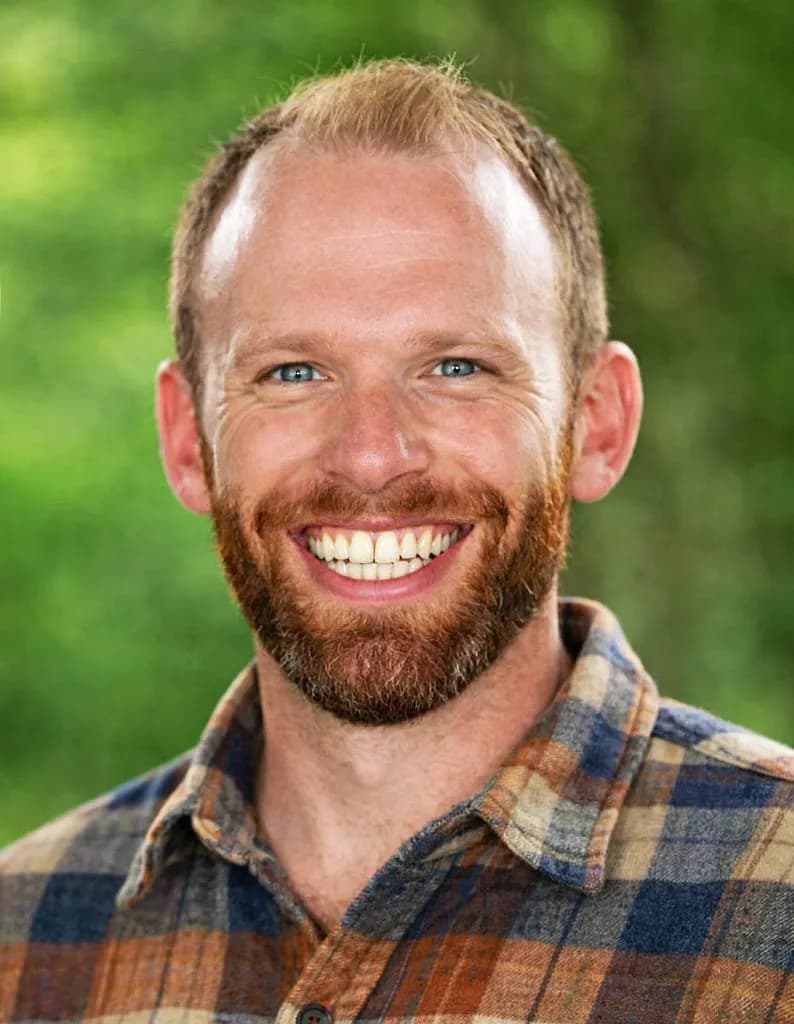
State Senator Kirkmeyer launches his governor campaign with a focus on rural affordability, proposing a $6 billion road funding plan and securing water rights to challenge Front Range dominance.

Aspen —The smell of wet earth and cut hay hangs heavy in the air, a scent that has defined the Western Slope for generations, yet the numbers tell a different story of displacement. Colorado now ranks 47th in the nation for affordability, and housing costs sit at 48th, with home prices having doubled in less than eight years. That is the hard lead from State Senator Kirkmeyer’s new bid for governor: a direct challenge to the status quo that he argues is leaving too many Coloradans behind, particularly those in rural communities who feel ignored by Front Range decision-makers.
Kirkmeyer isn’t running for the title; he’s running because he knows how rising prices and red tape squeeze a small business, having owned both a dairy farm and a flower shop. He’s pointing to the frustration that many locals feel when they ask why it’s harder to live and succeed here than it was just a few years ago. His platform rests on getting government out of the way for business and agriculture while leading on infrastructure and public safety, a stance rooted in his time as a state senator and Weld County Commissioner, where he balanced budgets, built highways, and advocated for better law enforcement pay.
For the Western Slope, the promise is specific: no more being an afterthought. Kirkmeyer proposes a transportation plan that doubles road funding without raising taxes, totaling $6 billion in the first four years, and hands over planning to regional leaders rather than a top-down approach from Denver. This shift matters because it acknowledges that the people who drive these roads every day understand the bottlenecks better than bureaucrats in the capital. You can feel the tension in the way he describes the current system, where rural voices are often drowned out by the sheer volume of Front Range politics.
Water is the other pillar of his argument, a defining issue for the future of the state. He has thrown his weight behind the Colorado River District’s effort to complete the purchase of the Shoshone Water Rights, a move that ensures the Western Slope secures its share when other parties might waver on the size of the call or its future uses. It’s a tangible commitment to protecting agriculture, which feeds not just local tables but the broader economy.
But there’s a rough edge to this prosperity. While Kirkmeyer promises to reduce unnecessary spending and let businesses grow, the reality on the ground is that families are still struggling to keep up with costs. The question isn’t just about policy; it’s about whether a shift in leadership can actually reverse the trend of people leaving the communities they love because they can no longer afford to stay. The promise of $6 billion in road funding is substantial, but it’s the delivery mechanism that will determine if it reaches the gravel roads of Delta and Montrose or stays consolidated in the larger urban centers.
If elected, Kirkmeyer wants to focus on solving problems instead of chasing headlines, a distinction he draws from his experience in government. He’s not promising to fix everything overnight, but he is offering a clear alternative to the current trajectory, one that prioritizes rural voices and fiscal restraint. The debate will be whether voters see this as a viable path forward or just another political promise.
The sun dips below the Uncompahgre peaks, casting long shadows over the valley floor, where the dust from the day’s traffic settles on the hood of a pickup truck, waiting for the next decision to be made.
Keep up with Aspen
The day's Western Slope news, one email each morning. Free.