Steamboat Botanic Park Trees Felled Where Grief Found Release
A Steamboat writer processed a year of grief at the Yampa River Botanic Park, only to return and find trees cut in that exact spot. The discovery highlights how physical changes disrupt the emotional anchors locals rely on for healing and community connection.
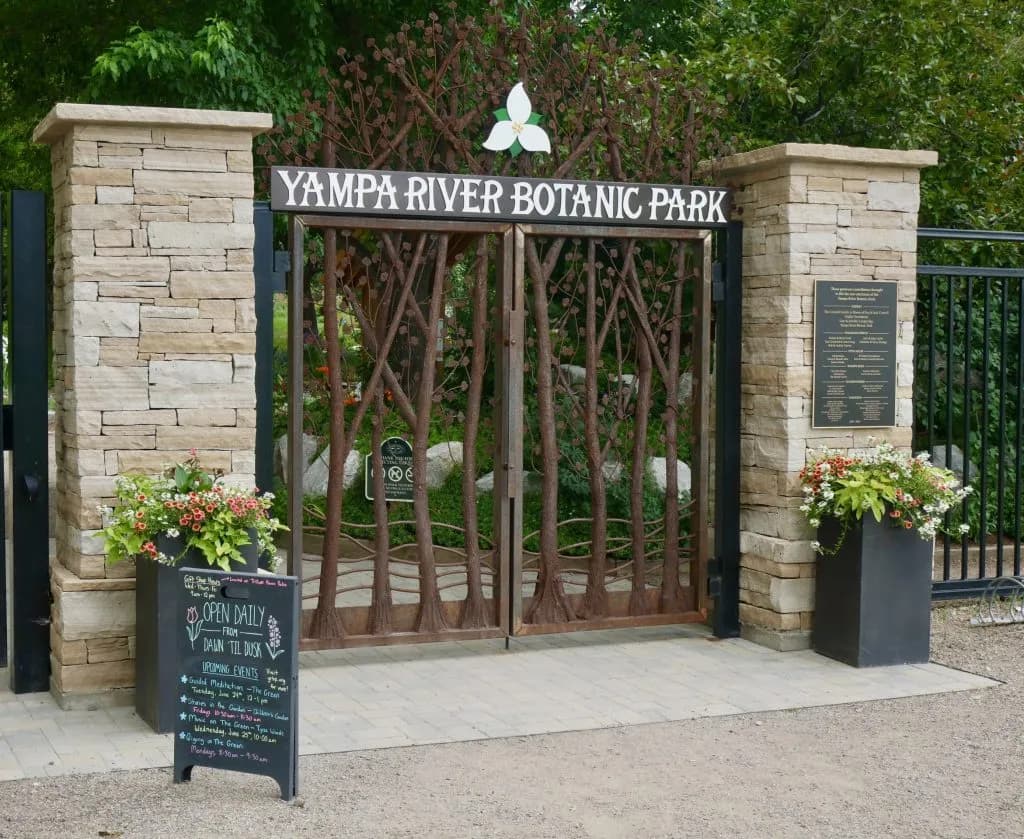
Steamboat Springs —The Yampa River Botanic Park isn’t just a place to look at flowers. It is the specific, physical location where grief gets unpacked on a bench while a toddler climbs a bear statue.
That is a counterintuitive take for a municipal asset, but it’s the reality on the ground.
In the final week of October 2026, a guest commentary published in the Steamboat Pilot captures a quiet Tuesday afternoon that reveals how deeply this patch of dirt and greenery is woven into the local nervous system. The writer was sitting in “The Hidden Garden,” a spot featuring two sculptures: one of a bear, the other of a woman holding roses. It’s a donated bench that celebrates the life of Pat Wessel.
Bob Enever, the park’s co-founder, and Jennifer MacNeil, its executive director, stopped by. They spent about 15 minutes talking to the writer, who was resting after a bike ride.
“How are you doing?” the writer asked.
Enever replied, “Still vertical.”
It’s a small exchange, but it sets the tone for what the park actually does. It doesn’t just host events; it hosts moments of release.
The writer describes attending “Yoga on the Green” over the summer, not just for fitness, but to meet people. During one of the last sessions of the season, instructor Nikki led a specific cue: “Release, release what you’ve been holding onto, release what has been bringing you down, release and be free.”
The writer listened. And then, sitting on the park’s Green in front of the pond, they let go of a year-long weight: the death of their sister, Madeline.
It wasn’t a metaphorical release. It was immediate and visceral. The writer later ran into Nikki near the park office, teary-eyed, and told her they had finally released their sister. Nikki hugged them. That evening, the writer took down Madeline’s obituary and prayer card from above their desk. They had been hanging there for a year.
The park facilitated that closure. And that matters because it suggests the Yampa River Botanic Park functions less like a traditional public park and more like a communal therapy session that happens to have trees.
But the story takes a turn that might make you pause. The following week, the writer returned to the exact spot where they had talked with Nikki and seen trees cut down in that very area.
The text cuts off there, but the implication is stark. The place where a person finally let go of their sister’s death was being physically altered by the very institution that provided the space for that release.
This is the part everyone skips past when they talk about park maintenance or landscaping budgets. They see cut trees. The writer saw a disruption to their healing process.
The park is a place where an 18-month-old boy once climbed the bear statue with his single mom, creating a memory he will keep for life. It’s where friends of Pat Wessel sit on the bench and thank him for the spot. It’s where people come to be “still vertical.”
When you stand there long enough, the park stops being a collection of plants and starts being a repository for your own life events. You bring your grief, your fatigue, your need to connect, and you leave with something lighter.
The Steamboat Pilot piece doesn’t argue for or against the tree removals explicitly in the provided text, but it highlights a tension that locals understand intuitively. We rely on these public spaces to be stable anchors in our lives. When the anchor moves, or when the ground shifts beneath it, we feel it in our bones before we see it on a city council agenda.
The writer’s experience with Madeline, and the subsequent discovery of cut trees in that same spot, illustrates a deeper truth about Western Slope public spaces. We don’t just use them for recreation. We use them to process the things we can’t process anywhere else.
The park is a living, breathing entity that changes with the seasons and the city’s needs. But for the people who sit on those benches, it is a fixed point in a chaotic world.
As the writer noted, they had released their sister and felt refreshed that day at the park. The trees were cut the next week.
The Hidden Garden remains. The bear is still there for the toddlers to climb. But the specific arrangement of trees that framed a moment of profound personal release is gone, replaced by whatever comes next.
That’s the nature of a public park. It belongs to everyone, which means it can change for anyone.
Keep up with Steamboat Springs
The day's Western Slope news, one email each morning. Free.

UCHealth Expert Says Soap Beats Hand Sanitizer for Killing Viruses
Steamboat's Rising Psychiatry Offers One-Day TMS for Depression