Yampa Valley's First Skilled Trades Institute Faces Strain After Pilot
Four rural Yampa Valley districts launched a Skilled Trades Institute pilot where five students built a tiny house. Officials warn demand outpaced supply, threatening the model's expansion.
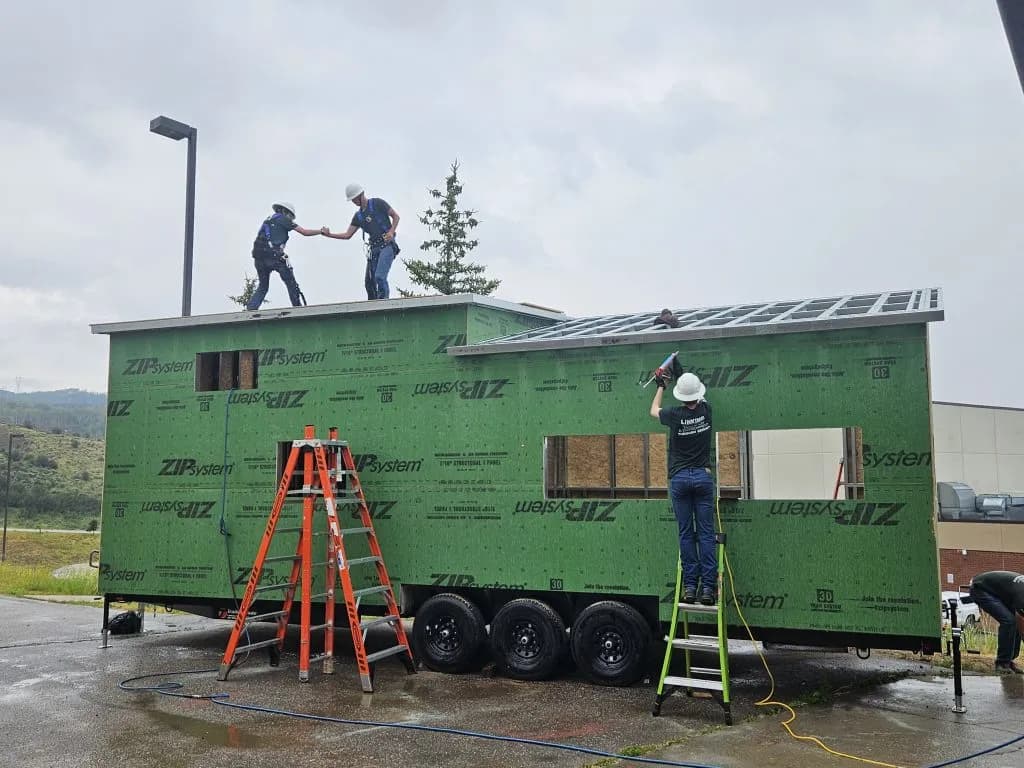
Steamboat Springs —The obvious take is that this is a heartwarming story about kids building a tiny house. It’s not. This is a pilot program for the first region-wide Skilled Trades Institute in the Yampa Valley, and it’s already showing signs of strain.
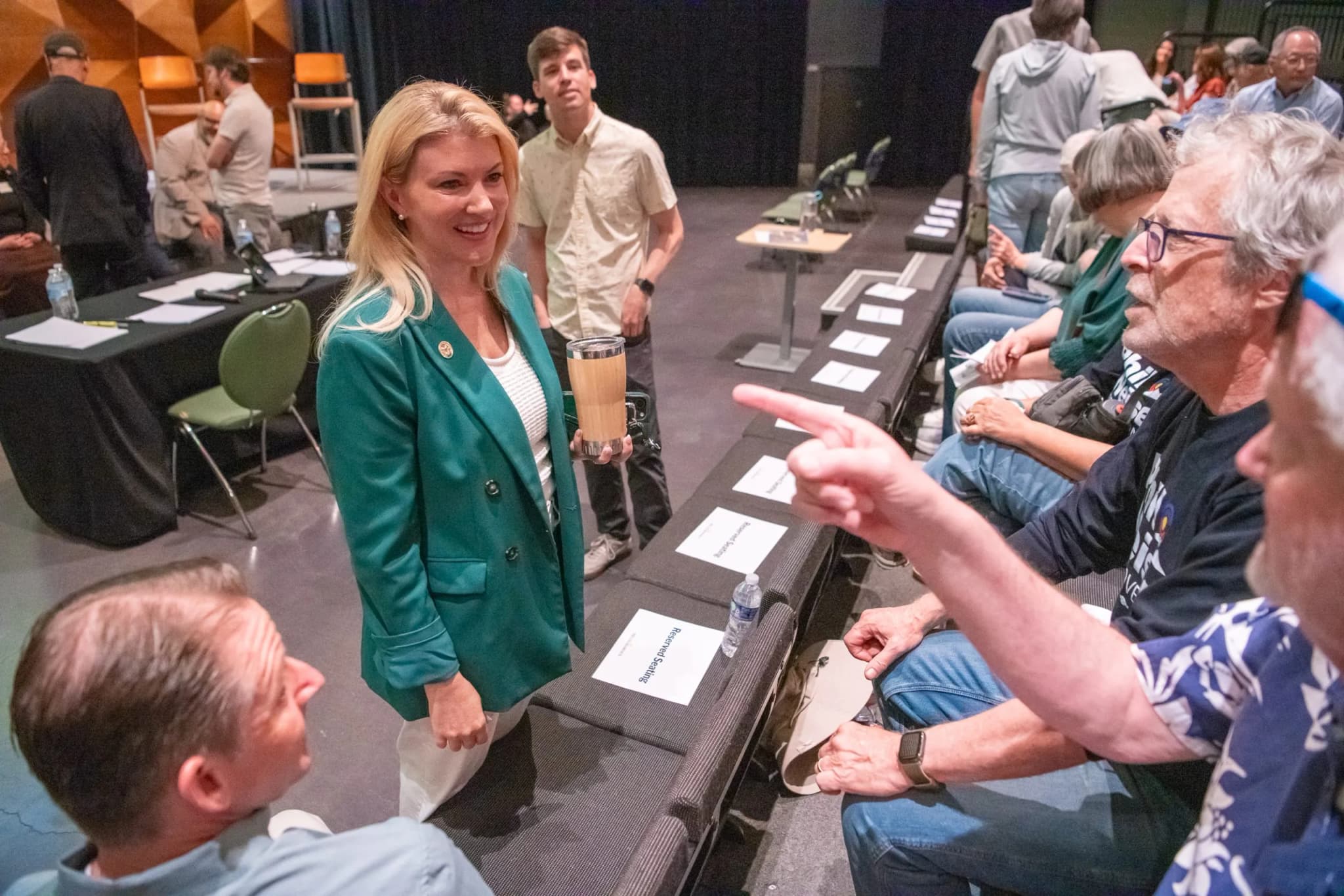
Steamboat Pilot reported that the lobby of SOROCO High School was "a little busier than usual" on Tuesday, Oct. 13. That’s where State Rep. Meghan Lukens joined representatives from Moffat County, Hayden, South Routt, and Steamboat Springs school districts for a panel organized by Yampa Valley Partnership for Students, Stewardship & Sustainability (YVPS3).
Here’s what actually happened this summer. Rocky Mountain Youth Corps (RMYC) employed five paid students in its inaugural nine-week program at the Soroco High School campus. They didn’t just watch videos. They learned carpentry, roofing, siding, electrical, plumbing, HVAC, drywall, trim, and cabinetry. They also picked up job-readiness skills and networked with construction employers.
RMYC Chief Operating Officer Mark Wertheimer noted that the program fits into the area schools’ Career and Technical Education curriculum. He added that the spots "filled up pretty quickly."
That’s the part officials aren’t saying enough about. Demand outpaced supply. Five students. One tiny house. Four rural school districts. The math works for a pilot. It doesn’t necessarily work for a permanent institute.
When finished, the structure will be sold. The proceeds will cover participant and staff wages, materials, and program operations. It’s a self-sustaining model on paper. In practice, it relies on the home selling for enough to keep the lights on.
Lukens called the project "an incredible investment in the future of our young people and the strength of our rural communities." She emphasized that it provides hands-on experience, workforce skills, and a pathway to meaningful careers.
Read that again. A pathway to meaningful careers. For whom? The five students who got paid? Or the hundreds of others who wanted in but couldn’t get a spot?
The short version: four rural districts are working together to give students hands-on career experience. YVPS3 funded the majority of the project. RMYC ran the program. The students built the house. The house will be sold. The money will pay for the program.
Worth watching whether the next cohort is five students or fifty. And whether the tiny house sells for enough to cover the next round of wages and materials.
If the pilot succeeds, expect more. If it fails, expect a quiet retreat. Neither outcome is guaranteed. But the pressure is on. The house is nearly done. The clock is ticking. And the next move belongs to the community.
Keep up with Steamboat Springs
The day's Western Slope news, one email each morning. Free.