Steamboat Council Approves Collin Kelley’s Yampa Street Mixed-Use Project
Steamboat City Council voted 4-1 to approve Collin Kelley’s revised Yampa Street mixed-use project, but Councilor Amy Dickson’s dissent highlights ongoing concerns about local zoning code and building mass.
Steamboat Springs —The obvious narrative is that the 12th and Yampa project is done. The City Council voted 4-1. Collin Kelley got his permit. The developers fixed the mistakes.
But look closer at the dissent. Councilor Amy Dickson didn’t just vote no because she’s difficult. She voted no because the building still feels too big, too tall, and too far from what the community actually wants. As she put it, “Why don’t we just change our code?”
That’s the real story here. It’s not about whether this specific building fits. It’s about whether our current rules fit the place we’re trying to build.
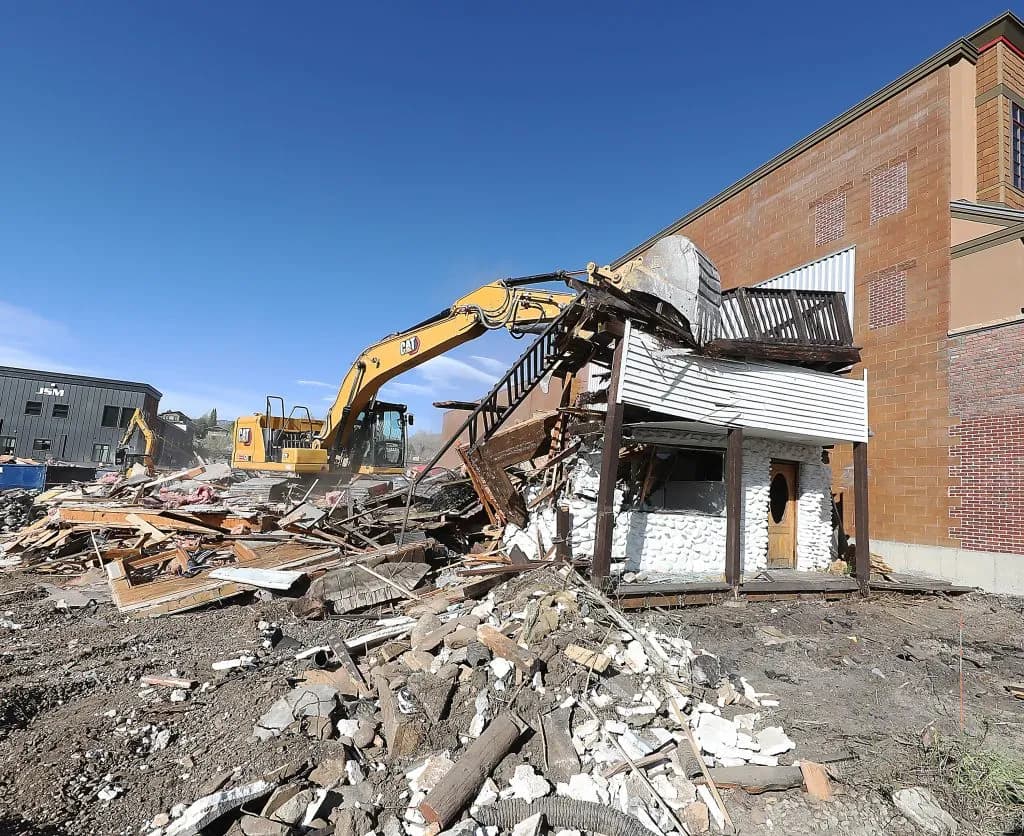
The project, proposed by local restaurant owner Collin Kelley, who owns Cypress and Primrose, finally clears the hurdle. The lot, sitting at the end of Yampa Street across from Little Toots Park, was previously home to Orange Peel Bicycle Service and the Double Z Bar & BBQ. Now, it’s going to be a three-story mixed-use building. Eight condo units. A ground-floor restaurant. Parking. A rooftop deck.
It’s a standard density play. But it took a long time to get here.
The process was messy. A split vote by the Planning Commission in March. A 4-3 vote by City Council in April to send it back. Another split recommendation in May. Kelley stood at that same podium last time and admitted they made a “giant mistake.”
“It gave us the opportunity to fix that,” Kelley said.
They fixed it. Sarah Tiedeken from Vertical Arts Architecture presented the revisions. They eliminated three variances. They cut lot coverage from 95% to 84%. They lowered the plate height. They opened up the west facade so you can actually see through to the park from Little Toots, instead of staring at a blank wall of glass.
“The glazing was a major concern as it blocked views from Little Toots Park,” Tiedeken noted. “More open space and windows were added to increase visibility from the park.”
It sounds like a win for the neighbors. And for most of the council, it was.
But Dickson remained unconvinced. She worried about the mass. The height. The setbacks. The building is still taller than it might want to be, largely because the lot sits on the Yampa River floodplain, which forces special height standards. Tiedeken argued the building is “a little shorter” than the neighboring Waterside complex. It’s a technical argument. It’s also the kind of argument that leaves locals wondering if the code is the problem, not the developer.
“Why don’t we just change our code?” Dickson asked.
Senior Planner Toby Stauffer had the answer, though the report cuts off before we hear it fully. But the question hangs there. If the code requires a building to be this tall to meet floodplain rules, and the code requires this much coverage, then the building will always feel out of place. The developers didn’t break the rules. They just made the rules look bad.
Kelley is confident. He called the revised project “significantly better.” He thanked the council for giving them another shot.
The next person who walks across Little Toots Park will have to decide if the view is better. The building will go up. The condos will sell. The restaurant will open. But the debate about whether Steamboat Springs is building for itself, or just for the code, is far from over.
“It was at this podium last time that I realized we made a giant mistake on something, and it gave us the opportunity to fix that,” Kelley said. “I’m confident that the revised project was significantly better.”
It’s better than it was. But is it good enough? That’s the question.
Keep up with Steamboat Springs
The day's Western Slope news, one email each morning. Free.