Steamboat Expands $3M Home Base Program Through 2027
Steamboat Springs extended its $3 million Home Base program through 2027, widening eligibility and boosting subsidies to help local workers buy homes before short-term rentals absorb the market.
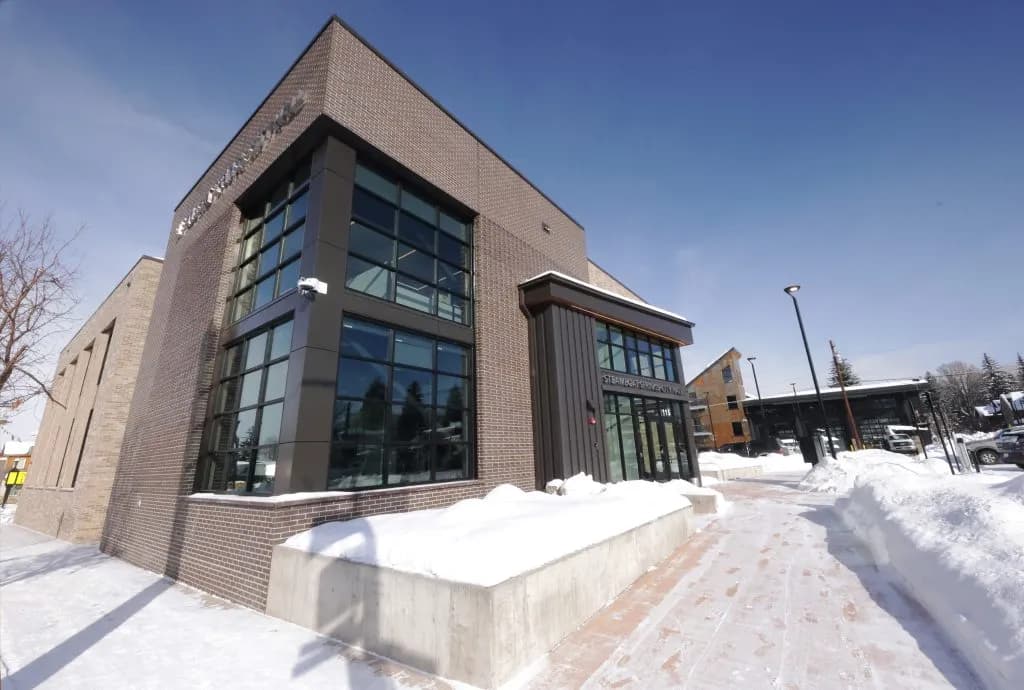
Steamboat Springs —The city of Steamboat Springs is betting that $3 million can keep the local workforce from being priced out of their own zip code. It’s a bold wager, but the math suggests the alternative — watching every available bedroom become a short-term rental — is far more expensive.
On paper, the Home Base Steamboat deed-restriction program looks like a standard affordable housing tool. In practice, it’s a targeted intervention designed to prevent the total absorption of the local housing stock by tourists and second-home owners. The Steamboat Pilot reports that after extensive discussion at its Nov. 17 meeting, the City Council has approved the program for another year, extending it through 2027. This isn’t just a continuation; it’s an expansion. Council directed staff to widen the geographic boundaries, meaning more neighborhoods are now eligible. They’ve also authorized an increase in maximum subsidies, giving homebuyers more leverage at the closing table.
Let’s look at the traction the program has gained since its mid-June launch. Kayley McCarthy, the city’s Housing Innovation Specialist, presented the data to council. The numbers are modest but meaningful:
- 10 transactions have closed or are scheduled to close by year-end.
- 30 approval letters have been issued to qualified households.
- 114 letters of interest have been received from local community members.
That 114-to-10 ratio tells you something important: demand vastly outstrips supply. McCarthy noted that the majority of those 114 expressions of interest were for the "local-employment" deed restriction rather than the "price-capped" option. This makes sense. The local-employment restriction requires the owner, or in some cases, tenants - to be long-term members of the local workforce, working an average of at least 30 hours per year for a business with a physical presence in Routt County. Crucially, unlike typical affordable housing programs, there are no income requirements. You just have to work here.
For those who did proceed, the financial support was substantial. For the local-employment category, the city provided a 15% buydown with a maximum subsidy of $150,000. For the price-capped category; which ties occupancy to local workers and limits future resale prices, the city offered a 20% buydown with a maximum subsidy of $250,000. These funds could be applied to down payments, closing costs, or other purchase-related expenses.
One notable decision from the Nov. 17 meeting was what the council didn’t do. Per staff’s recommendation, they opted against opening the program to existing homeowners or local employers. This keeps the focus tight: it’s for those currently renting or buying their first home, not for those already holding equity.
The bottom line for locals is simple. If you work in Routt County and are looking to buy, your window of opportunity has just widened. The city is putting real money on the table to keep you in your neighborhood. But with 114 people waiting in the wings and only a handful of homes actually transacting, the clock is still ticking. The deed restriction might save your home, but only if you move before the next wave of short-term rentals does.
Keep up with Steamboat Springs
The day's Western Slope news, one email each morning. Free.
YVEA Adds $2 Per Kilowatt Peak Demand Charge To Bills

Colorado State Forest Service Manages $2 Million in Routt County Wildfire Grants
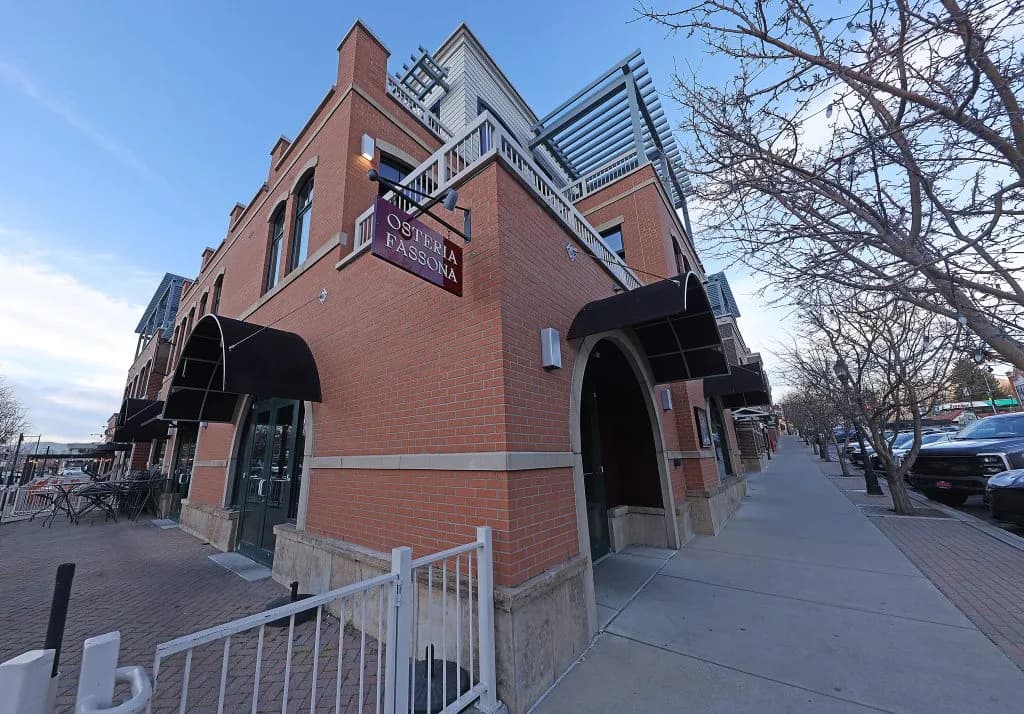
Collin Kelley Replaces Cypress With Osteria Fassona In Steamboat

Routt County Real Estate Sales Hit $41.6 Million in One Week
The ink on the ballot measures was barely dry when the legal machinery began to grind