Steamboat Faces $156 Million Infrastructure Gap in New Capital Plan
Steamboat Springs identified $156 million in unfunded infrastructure needs, prioritizing 32 projects for the upcoming cycle while leaving dozens of aging assets to wait as tax revenues decline.
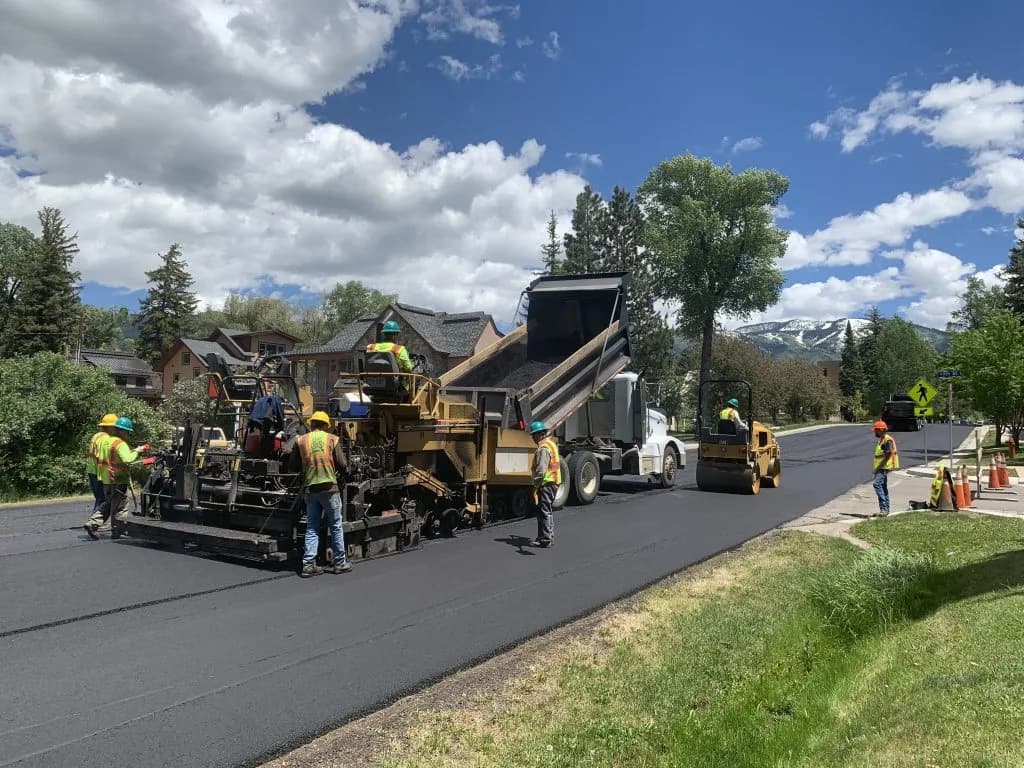
Steamboat Springs —The wind off the Yampa River cuts through Steamboat Springs with a distinct chill, rattling the window frames of aging municipal buildings that have stood in the town center for decades. It’s a reminder that infrastructure doesn’t just exist; it decays, requires constant attention, and demands money to keep from falling apart.
For the city of Steamboat Springs, that decay is quantified in a document called the Capital Improvement Plan, or CIP. It’s not a shopping list. It is a triage system for a town with more broken things than it has cash to fix them.
The Steamboat Pilot reported on the mechanics of this process, highlighting a stark financial reality: staff identified 172 potential capital projects for the current six-year planning cycle. Of those, only 32 are prioritized for funding in the upcoming proposal, totaling $49 million.
Let’s do the math on what that leaves behind. Seventy-five projects remain unfunded. Those 75 items represent approximately $156 million in identified capital needs.
That is a significant gap. The city’s capital projects fund relies primarily on building use tax and excise tax revenues. Those numbers have been strong, but projections indicate they are cooling. The 2027 budget anticipates about $6 million in revenue from those sources, down from an estimated $7.3 million in 2026.
If the city devoted its entire annual capital budget to the existing list of unfunded needs, it would take more than two decades just to work through the current backlog. And that assumes no new problems emerge. In a community with aging infrastructure and changing demands, new capital needs are not hypothetical; they are inevitable.
The Ranking System
So how does the city decide which of those 75 unfunded projects gets to move up in line?
City Council established specific criteria for ranking these investments. Legal and contractual obligations, along with health and safety issues, carry the greatest weight. Protecting and maintaining existing assets follows closely behind. Projects are also evaluated based on their alignment with the strategic plan, equitable community benefit, and whether private funding is available to share the load.
Once projects are ranked by these criteria, they meet the hard ceiling of the budget. City leadership and project managers look at the entire six-year picture to determine what can realistically be accomplished with projected revenue. This often means moving some projects forward and pushing others back, a process that is less about preference and more about fiscal arithmetic.
There is another piece of the equation that is easy to overlook: reserves. It may seem logical to put every available dollar toward capital improvements, but the city must maintain a financial buffer. Spending everything on new projects leaves no cushion for the unexpected repairs that inevitably arise when a water main breaks or a roof fails.
The bottom line for locals is simple. When you see a new piece of equipment or a repaired intersection, know that it was chosen because it scored higher on the health and safety scale than 75 other projects currently sitting in the unfunded pile. That $156 million backlog isn’t going away. It’s waiting for revenue that may not come at the pace the city needs, or for private partners who are willing to chip in. Until then, the CIP is a constant exercise in choosing which problems get fixed first, and which ones have to wait.
Keep up with Steamboat Springs
The day's Western Slope news, one email each morning. Free.




Will my tax refund be gone if I vote yes
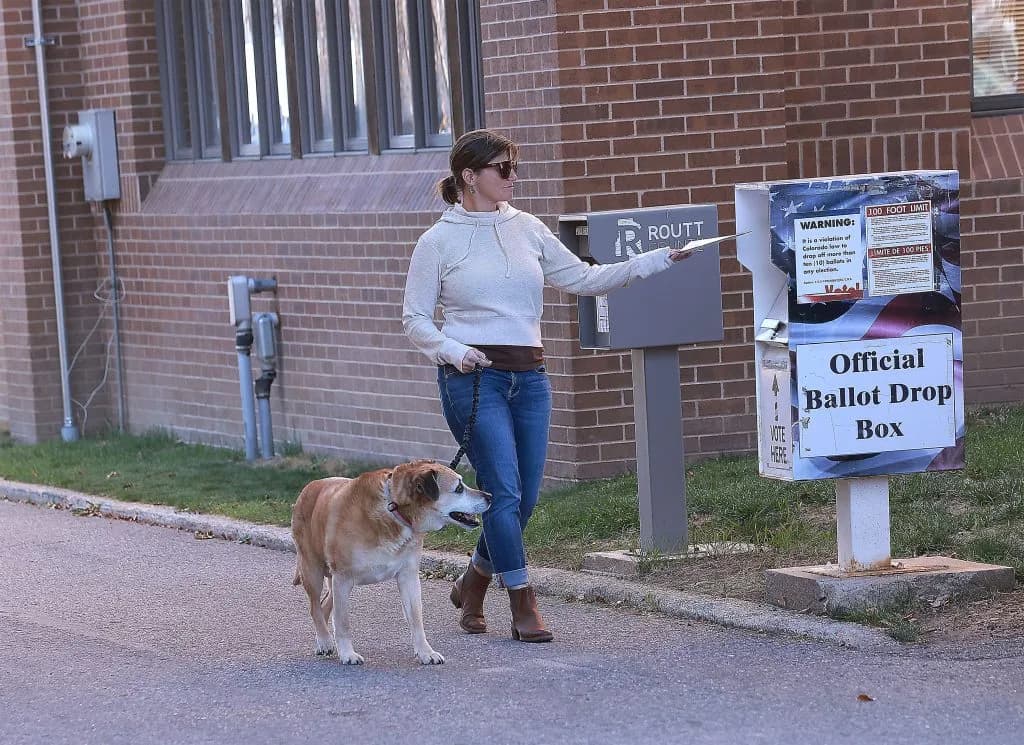
"Coloradans could start seeing ballots for this November’s midterm election hit their mailboxes as early as this weekend