Steamboat Planning Commission Approves Chief Theater Renovations
Steamboat Springs Planning Commission voted 5-1 to approve renovations for the historic Chief Theater, including a height variance, digital LED marquee, and rooftop seating, aiming to revive the downtown landmark.
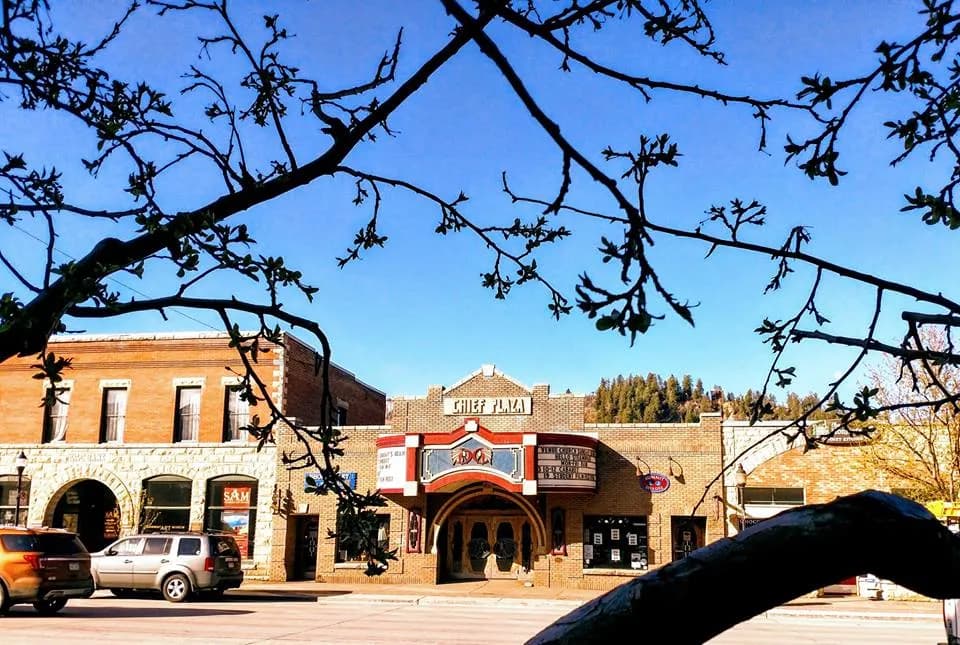
Steamboat Springs —“The proposed plan will transform the theater into an indoor event venue for concerts, in addition to providing a restaurant and tavern with outdoor rooftop seating.”
That was Trace Adams, the owner, laying out the vision for the historic Chief Theater during a Steamboat Springs Planning Commission meeting on May 21. The commission voted 5-1 to approve the renovations, a decision that clears the way for the downtown landmark to rise from its recent slumber of break-ins and vandalism. It’s a move that promises to bring an iconic venue back to life as a flagship community space for music, art, culture, and vitality, as Adams put it, but it also demands a bit of compromise from the neighbors who remember when the building was just a movie house.
Constructed in 1926, the Chief has seen better days. It operated as an entertainment hub until its closure in 2021, leaving a void in the downtown core that locals have felt in their daily walks. Now, the plan is to fill that void with something louder, brighter, and significantly taller. The new marquee will feature digital LED letters, replacing the traditional, manually placed movie-theater-style letters that have become a symbol of the building’s mid-century charm. It’s a modern update, yes, but one that changes the texture of the streetscape.
The most contentious part of the proposal wasn’t the digital sign, but the height. The original building stands at a modest 23 feet. The new design calls for 38 feet, a significant jump that exceeds the community development code’s 28-foot maximum for zoning districts without residential units on the top level. To make that work, the commission granted four variances, including one for building height and another for rear setback. City historic preservation planner Caitlin Berube-Smith argued that this height variance is necessary to enable the historic use of the building to continue, noting that the rooftop deck aligns with the Community Plan and the Downtown Plan by allowing for views of historic Howelsen Hill.
But if you look closely at the numbers, the real friction lies in the parking. The venue plans to host events of varying sizes, with the largest gatherings attracting up to 800 people. Current city requirements call for one parking space per four occupants, which means 200 spaces for a full house. The Chief currently has 94 spaces, a number that was last approved in 1991 when the theater had only 368 seats. That’s a stark contrast to the capacity it’s aiming for now.
To bridge that gap, the plan relies on a parking management strategy rather than a massive expansion of asphalt. Staff found offsite parking at locations like Ace Hardware and Steamboat Resort to be an acceptable alternative, coupled with a shuttle service to transport guests downtown. Adams said shuttle use would be “strongly encouraged” on the theater’s website, a soft promise that leaves a lot of room for interpretation on a busy concert night.
The commission seemed satisfied with this approach, with senior planner Toby Stauffer noting that it allows for the rehabilitation of this historic resource without forcing the city to pave over every available inch for cars. Yet, the 5-1 vote suggests that not everyone was convinced. The single dissenting vote likely came from a commissioner who saw the 800-person crowd and the reliance on distant lots as a logistical headache for the immediate vicinity.
As the dust settles on the vote, the focus shifts from the planning table to the physical site. The Chief Theater is set to become a restaurant and tavern with outdoor rooftop seating, a change that will alter the smell and sound of the block. It will be louder than the silent films of the 1920s, and likely more crowded than the quiet aftermath of the 2021 closure. The digital letters will glow where the old ones once stood, casting a different kind of light on the brickwork, while the shuttles wait to ferry people away from the parking lots, trying to keep the downtown core vibrant without choking it with traffic.
Keep up with Steamboat Springs
The day's Western Slope news, one email each morning. Free.



Steamboat Dietitian Shares Strategy For Stress-Free Holiday Eating
Colorado’s $3.6M Dark Money Campaign Targets Flat Tax Amendment