Steamboat Springs Economy Halts as Historic Yampa River Closure Hits Tourism
Historic low streamflows force the Yampa River to close, halting tubing and fishing operations while significantly reducing summer revenue for Steamboat Springs businesses.
Aspen —Why is the Yampa River closed, and what happens to Steamboat Springs when it stays shut?
The river is closed. The economy follows.
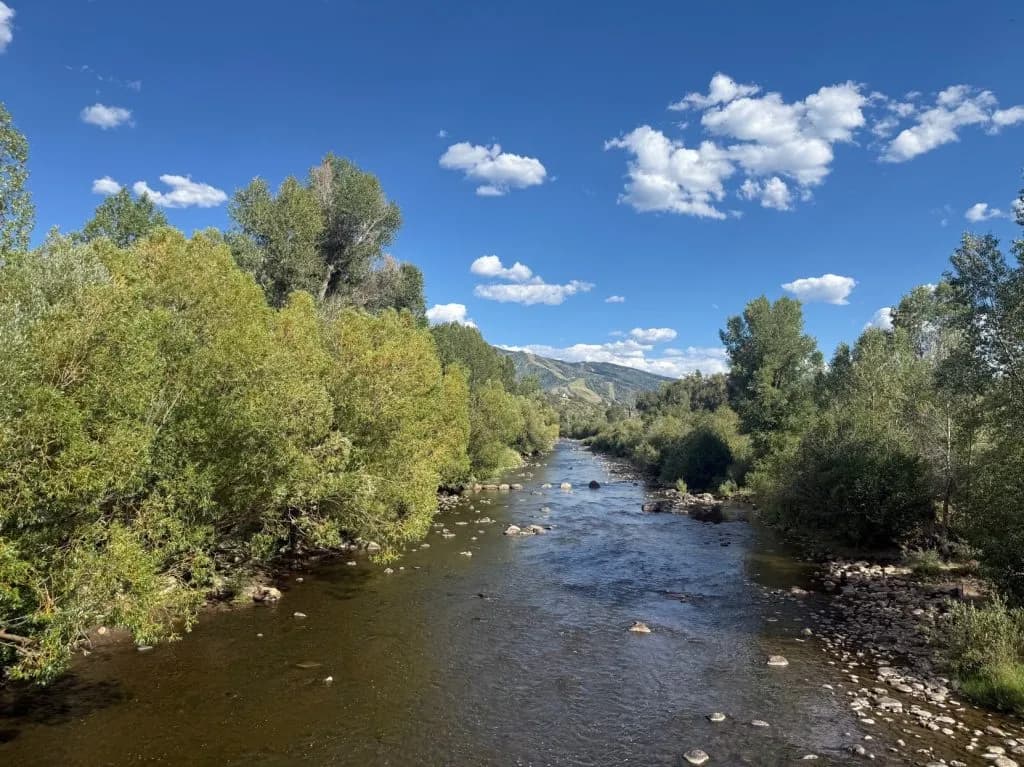
That is the hard fact for locals watching their summer revenue vanish. On June 1, streamflows in downtown Steamboat Springs dropped below 85 cubic feet per second. The 118-year average for that date is 1,085 cfs. Water temperatures spiked above 71 degrees. The waterway closed to all recreation.
This wasn’t a minor dip. It was a historic low. The Upper Yampa Water Conservancy District demonstrated this reality on Monday, Aug. 21. They led a tour along the waterway with college students, media, and local stakeholders. The journey started near the headwaters in the Flat Tops. It moved through southern Routt County, where agriculture dominates. It ended at Stagecoach Reservoir and into Steamboat Springs.
Mike Welch, owner of Backdoor Sports, put it simply. “The broader picture for a town like Steamboat and a bunch of other towns around Colorado is, when the river’s closed, the economy is closed,” Welch said.
He isn’t just talking about tubing revenue. Backdoor Sports brings thousands of people downtown all summer long. Welch purchased the shop, originally founded in 1986, with his brother and sister-in-law, Chris and Dominique Welch, in May 2025. The first summer was decent. Then the record-low snowpack gave way to record-low streamflows.
The Yampa River peaked weeks early at about a third of normal flow. The rafting season abbreviated and arrived early. Then it stopped.
“Obviously, this year is different because you’ve got to have water to be able to manage it,” Welch said. “There’s no water to manage.”
Amanda Brotman, also with Backdoor Sports, highlighted the scale of the disruption. On busy weekends, they put 400 people a day on the river. The closure ripples through the community. It affects more than just tubing, fish, or science. It affects ranching. It affects the life of the community.
This summer’s conditions broke existing management tools. Programs that keep small businesses operating during normal years struggled under historic stress. The district had to adapt quickly. They couldn’t just wait for rain. They had to manage what little water remained.
The tour showcased these adaptations. It highlighted the tension between agricultural production and tourism. Both sectors rely on the same water. When the river runs dry, both suffer.
Read that again. The economy is closed when the river is closed. It’s not a suggestion. It’s a mechanical fact. Steamboat Springs draws people for recreation. No river, no visitors. No visitors, no revenue.
Welch noted that the tubing operation is only part of the story. Fly fishing remains. Other businesses operate. But the base is gone. The river was the foundation. Without it, the structure shakes.
The Upper Yampa Water Conservancy District is looking ahead. They are building long-term resiliency. The question isn’t whether drought will return. It’s how the community adapts when it does. The tools exist. The water is there, usually. This year proved that “usually” isn’t enough anymore.
Holly Kirkpatrick with the district and Kim Ducklow with Friends of the Yampa were on the tour. They represent the institutional knowledge. Welch and Brotman represent the economic pulse. Both sides are watching the water levels closely.
The short version is this: The river closed. The money stopped. The district is adjusting. Locals need to decide if they are ready for the next low-flow year. The snowpack may recover. The streamflow might not.
Keep up with Aspen
The day's Western Slope news, one email each morning. Free.