Steamboat Teen Returns to Court in 60 Days After Spinal Surgery
Steamboat Springs teen Lydia Pierce returned to basketball and volleyball just 60 days after major spinal surgery for Scheuermann’s kyphosis, defying the typical six-to-twelve-month recovery window.
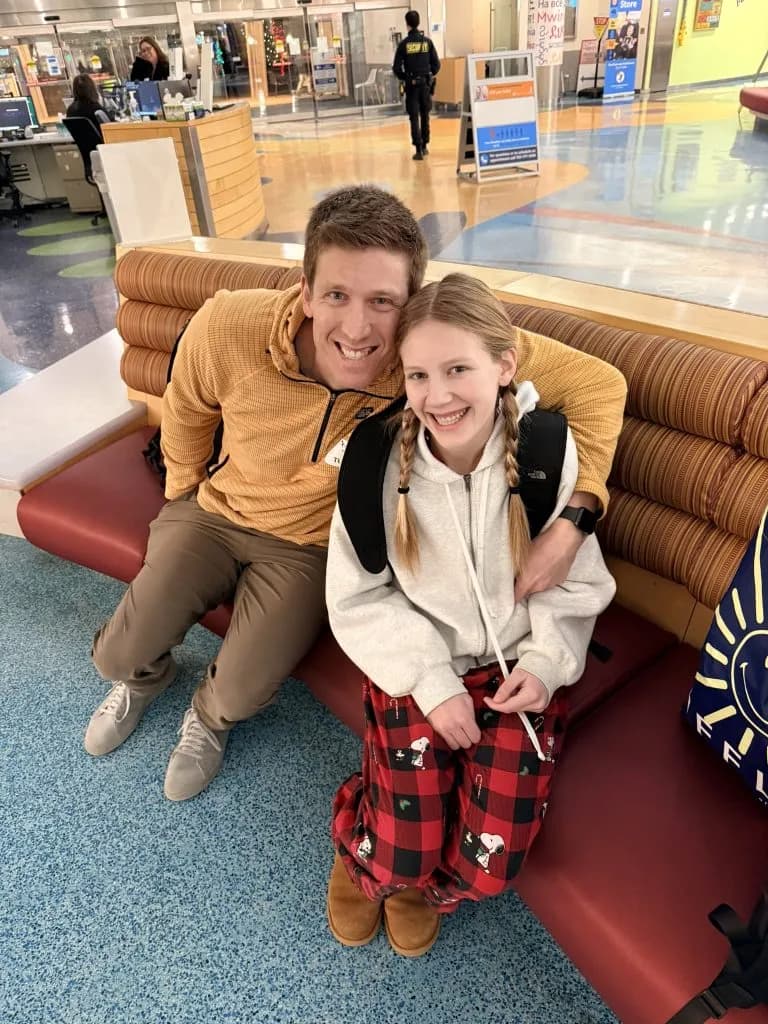
Steamboat Springs —Lydia Pierce didn’t just get her back fixed. She got her life back. And she did it in sixty days.
That’s the headline most people miss. They see the surgery. They see the rod. They see the pain. They don’t see the speed of the return.
Pierce, a Steamboat Springs teen, returned to basketball and volleyball court in two months after major spinal surgery. That is not a recovery timeline for the average patient. That is a recovery timeline for someone with a specific drive and a specific condition.
The condition was Scheuermann’s kyphosis. It’s not scoliosis. It’s worse in some ways. It’s a genetic developmental disorder. The vertebrae grow in a wedge shape. The spine curves forward. Starkly.
Her parents thought it was poor posture at first. Just a hunch. Then came the pain. Serious pain. Every single day.
Physical therapy failed. So did hope for a non-surgical fix.
Dr. Sumeet Garg, her surgeon, stepped in. He inserted a corrective rod. He screwed it into her back. It took four hours. He timed it over the winter holiday so she wouldn’t miss school. Smart move.
“Typically 1 in 100 people need corrective surgery for kyphosis,” Garg said. “It’s actually very rare.”
Rare, yes. But when it happens, it hurts.
Pierce couldn’t move well in the hospital. She spent three hours lying flat in the car ride home. She slept on the couch. Or in a recliner. She couldn’t carry her books. School chairs were torture.
“I had to miss my basketball season,” she said.
But she didn’t miss the sport. She just missed the season.
The recovery wasn’t gentle. Her muscles changed position. She grew two inches. Her shooting form broke. She was weak. She had no power behind her shot. She had to relearn everything.
“I could not move very well in the hospital,” Pierce said. “Then we had a three-hour car ride back home where I had to lay flat the whole time.”
She played through the discomfort. She improved little by little. One day at a time.
Now, she’s back on the court. Playing volleyball. Playing basketball.
“To go from not being able to get into the car on my own to be playing basketball again so quickly really puts everything I’ve been through into perspective,” Pierce said.
It’s a stark contrast to the typical six-to-twelve-month recovery window for spinal fusion. Why the difference? Maybe it’s age. Maybe it’s the specific type of kyphosis. Maybe it’s just Pierce.
Garg noted that modern technology has reduced the risk of failure. The guesswork is gone. But the pain was real.
“I was hoping that I wouldn’t need surgery,” Pierce said. “But it hurt every single day.”
The short version: She broke. She got fixed. She ran again. Faster than anyone expected.
Steamboat Springs locals know what pain looks like. We know what recovery looks like. We’ve seen athletes bounce back from ACL tears. We’ve seen them bounce back from concussions. But a spinal fusion? That’s different. That’s structural. That’s permanent hardware in your back.
Pierce proved the hardware holds. She proved the body adapts. She proved that sixty days is enough time to go from flat on your back to driving the lane.
The question isn’t whether she’ll play again. The question is who’s next.
Keep up with Steamboat Springs
The day's Western Slope news, one email each morning. Free.