Steamboat’s Nordic Combined Stars Await Olympic Fate
The future of Nordic combined hangs in the balance as the IOC decides whether to add women or remove men from the Olympics, impacting local stars like the Malacinskis and Alexa Brabec in Steamboat Springs.
Steamboat Springs —“We are waiting on the IOC’s decision, which is expected at the end of July.”
Jill Brabec, president of Nordic Combined USA, didn’t mince words. She said it plainly. The future of the sport hangs in the balance. And right now, the balance tips toward a crisis.
The International Olympic Committee is deciding whether to add women to the Olympic Nordic combined program or kick the men out entirely. Since 1924, men have dominated these games. Women are barred. The IOC wants gender neutrality. They’d rather drop the men’s event than add a women’s one. That’s the threat.
But there’s a new player in town. Alexander Ospelt from Liechtenstein just won the presidency of the International Ski and Snowboard Association. He took the job by a razor-thin margin — 65 votes to 64. He’s replacing Johan Eliasch, who lost and immediately claimed the IOC interfered in the vote. Eliasch said the IOC tried to influence the outcome. He’s been fighting for the status quo.
Ospelt is different. He’s an advocate. Brabec calls him an ally. His goal? Keep the men’s event and add the women’s. He’s pushing for both. The IOC pushed its final decision back from June to July to review data and talk to Ospelt. That delay matters. It buys time.
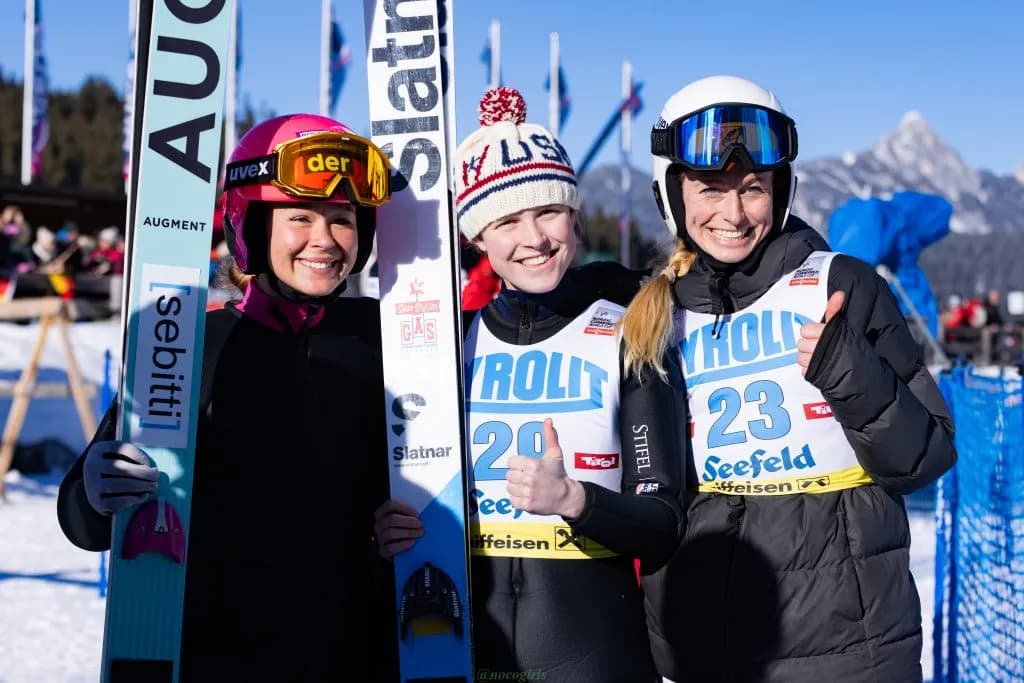
Locals need to pay attention. This isn’t just abstract sports politics. It’s about athletes you know. Niklas Malacinski from Steamboat Springs placed 23rd in the World Cup standings this past season. His sister, Annika, finished 12th. She’s been vocal about convincing the IOC to let women compete. Then there’s Alexa Brabec, also from Steamboat Springs. She was second in the World Cup standings. She won a race in Seefeld, Austria, on Jan. 33.
These aren’t distant stars. They’re neighbors. They’re training in the same snow. If the IOC drops the men’s event, the spotlight vanishes. Funding dries up. The sport shrinks.
“We didn’t know where the former FIS president stood,” Brabec said. That uncertainty is gone now. Ospelt is in charge. But the clock is ticking. The IOC meets July 23-24. That’s when the hammer falls.
The sport is trying to adapt. FIS signed a deal with Velocity Ski League to create more competitions. Six coed teams will compete in individual and mixed-team events. Brabec expects this to start next summer. The 2027 season will see both World Cup and World Championship events. It’s a stopgap. It’s not the Olympics.
Money is the other hurdle. Nordic combined doesn’t have the spotlight. Fundraising is hard. It’s expensive to compete overseas. Brabec admitted that. Nordic Combined USA is raising every dollar it can to send athletes abroad. They’re pushing ahead despite the noise.
The short version? The IOC holds the keys. Ospelt is knocking on the door. The athletes are waiting. Steamboat Springs has produced talent that proves women can compete at the highest level. Annika and Niklas Malacinski. Alexa Brabec. They’ve got the stats. They’ve got the wins.
The question is whether the IOC cares. Eliasch lost. Ospelt won. But Eliasch claims interference. If the IOC’s influence was real, will Ospelt deliver? Or will the men’s event be the sacrifice?
Brabec is optimistic. She sees Ospelt as an ally. But optimism isn’t a guarantee. The decision comes in July. Until then, the community watches. They wait. They hope.
The facts are clear. Women aren’t in the Olympics. The IOC might remove men instead. Ospelt wants both. The athletes are ready. The money is tight. The deadline is set.
Read that again. The future of Nordic combined isn’t being written by the athletes. It’s being written by bureaucrats in Lausanne. And they’re running late.
Keep up with Steamboat Springs
The day's Western Slope news, one email each morning. Free.