Strait of Hormuz Closure Threatens Gas Prices and Trump's Pride
A closed Strait of Hormuz keeps gasoline prices elevated, hurting Republicans ahead of November midterms, while forcing President Trump to weigh economic pressure against his political pride in resolving the crisis with Iran.
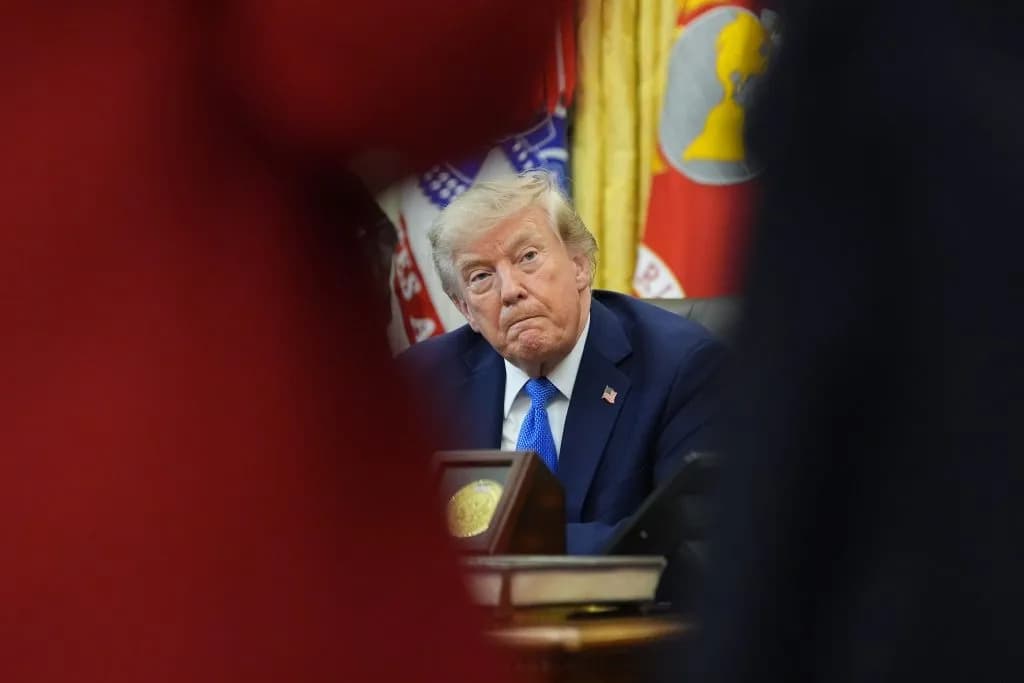
Aspen —Who pays when the Strait of Hormuz stays closed?
The answer might be your gas pump. And it might be Donald Trump’s pride.
A deal to reopen the waterway requires a concession from the president. That’s a hard sell for a man who divides the world into winners and losers.
Eliot Cohen, former State Department counselor, says being a "loser" is intolerable for Trump. He sees any compromise as a defeat. The president has insisted there’s no truth to reports of sagging poll numbers, a sluggish economy, or dwindling weapons stockpiles.
But the war with Iran has been running for more than five months. It started with Israel. The U.S. has launched thousands of strikes. Yet Iran still holds the chokehold.
Drones and missiles still threaten commercial shipping. Twenty percent of the world’s oil flows through that narrow strip of water. If it stays shut, gasoline prices stay elevated. That hurts Republicans ahead of November’s midterm elections.
The sticking point is control.
The Trump administration has ruled out any arrangement that cements Iran’s grip on the Persian Gulf. They don’t want Tehran charging fees. They don’t want a permanent Iranian lock on the strait.
Iran disagrees. They say the strait won’t go back to being an open international waterway. Not anymore.
David Schenker, a former State Department official under the first Trump administration, sees it differently. He thinks economic pressure will force a compromise.
“There will be a lot of spin both ways, but my guess is that the president has tipped his hand as to the urgency for him of resolving the crisis,” Schenker said. He’s now a fellow at the Washington Institute for Near East Policy. “This is a concession he may very well be willing to make.”
Trump isn’t admitting weakness yet.
He posted on social media Thursday that the U.S. military still has “massive amounts” of weapons. He claimed large amounts are being manufactured. He threatened jail time for alleged “leakers” who revealed the truth about stockpiles.
He was reacting to a Washington Post story. The paper reported Trump’s frustration with Defense Secretary Pete Hegseth. Inventories of advanced weapons are shrinking. The Cabinet met at Camp David last week. Hegseth was there.
A senior administration official described the discussion as “robust and healthy.” They wouldn’t give details. They insisted there was no “knock-down, drag-out fight” over the matter.
But the official spoke on condition of anonymity. That usually means something is still being held back.
Experts say the U.S. military is running short. The White House says it’s fine. You decide which one to believe.
The short version: The Strait is the prize. Iran wants control. Trump wants to look strong. The market wants the oil flowing.
If Trump compromises, he admits the war cost more than expected. If he doesn’t, locals keep paying the premium at the pump.
The question isn’t whether a deal will happen. It’s what Trump has to give up to get it. And whether he can swallow the pill without looking like a loser.
Keep up with Aspen
The day's Western Slope news, one email each morning. Free.

Steamboat Resident Tracks St. Mary’s Glacier Shrinking Before Summer Ends

Glenwood Meadows Carter Project Delivers 88 Affordable Homes