Sylvan Lake Cuts Water Spigots as Drought Hits Colorado Parks
Colorado Parks and Wildlife implements emergency measures at Sylvan Lake and Rifle Gap due to exceptional drought, shutting off water spigots at Sylvan Lake and reducing Rifle Gap's boat ramp to a single lane.
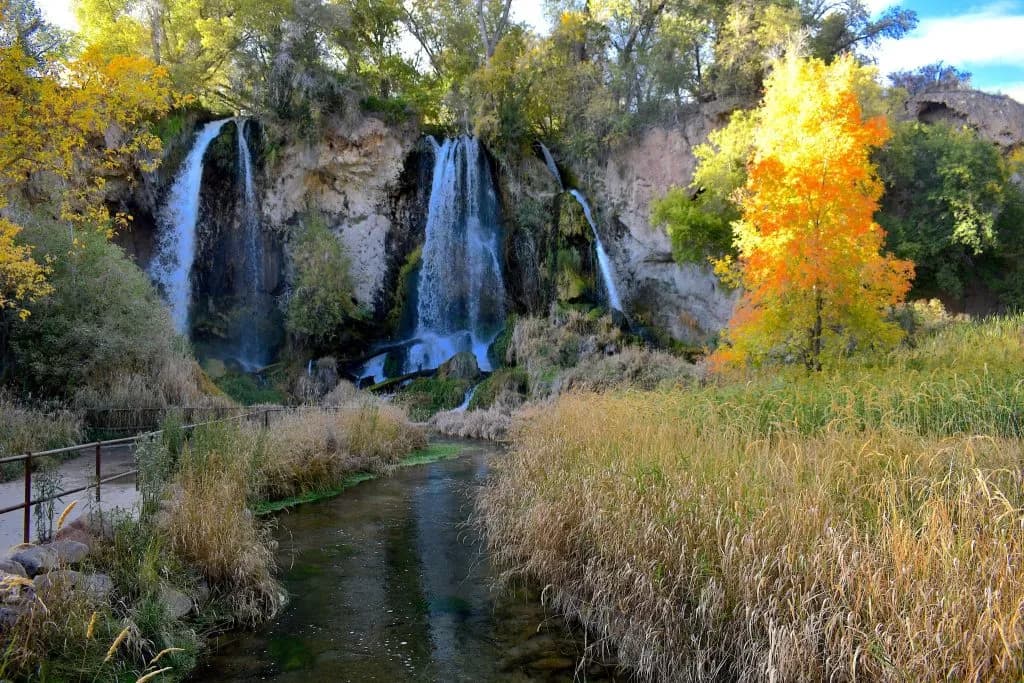
Aspen —Can you still get a cold drink and a shower at Sylvan Lake State Park this weekend, or is the tap running dry?
The answer is yes, but you’ll have to work for it. And if you’re heading west to Rifle Gap for a boat ride, expect a longer wait at the ramp and a few more rocks in your hull.
Colorado Parks and Wildlife announced emergency conservation measures on Monday, June 22, affecting two of the region’s most popular recreational hubs. Sylvan Lake State Park in Eagle County and Rifle Gap State Park in Garfield County are both operating under the weight of what the U.S. Drought Monitor labeled on June 18 as “exceptional” drought conditions — the most severe category available.
For folks planning a day trip from Rifle, Glenwood Springs, or Eagle, the news means a shift from casual recreation to managed survival.
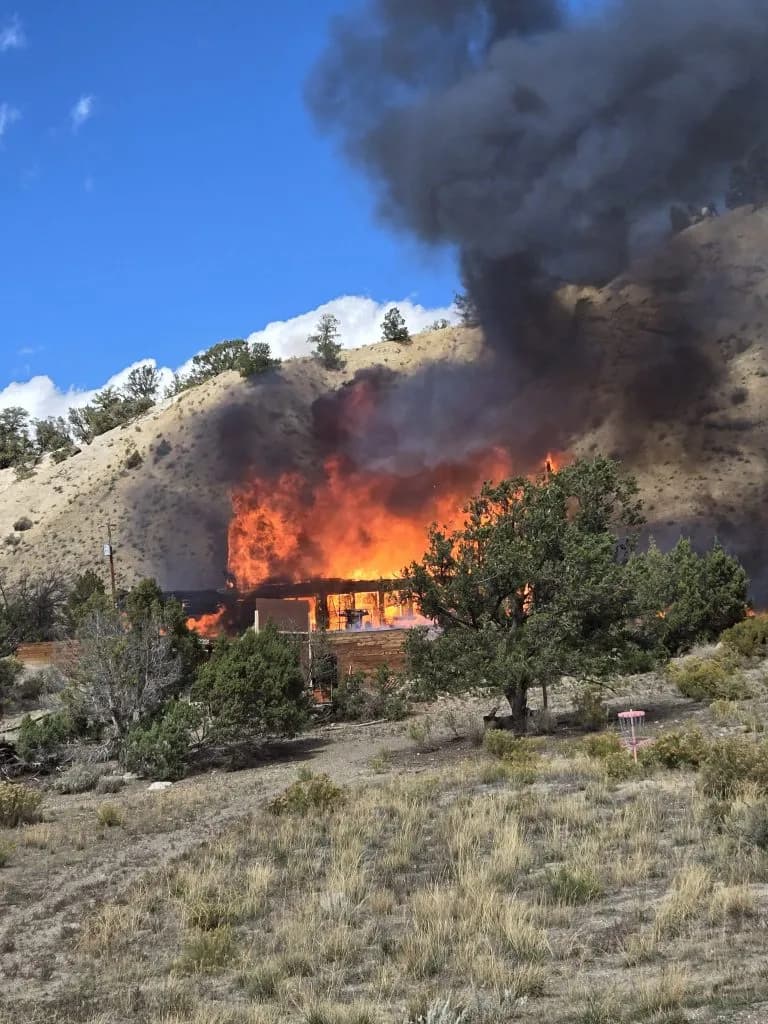
At Sylvan Lake, the situation is stark. The park’s primary water source, Zurcher Spring, has run completely dry. It hasn’t just dipped; it’s gone. With no immediate sign of recovery, staff have switched to a secondary source, Cowboy Spring.
Here is the math that drives the decision: Cowboy Spring produces 2,000 gallons of water per day. The park needs between 2,500 and 3,000 gallons daily to function. They are already underwater on their supply.
To bridge that gap, park staff shut off all 17 public water spigots. You won’t be able to just fill your bottle at a tap.
“We are using more water than we can currently produce, and are on track to run out,” Sylvan Lake State Park Manager Matt Westerberg said in the news release. “We know turning off the water spigots isn’t ideal, but our hope is this will save enough water to keep the main campground shower building operational for visitors.”
The trade-off is clear. You lose the convenience of on-site drinking water and hand-washing, but you keep the showers. The agency is asking visitors to bring their own water or fill tanks at the visitor center, which sits on a separate, functioning well system. It’s a small inconvenience for a major infrastructure adjustment.
A few hours west, Rifle Gap is dealing with a different timeline. Historically, water levels decline in late summer. This year, the low snowpack from winter and an early melt pushed the decline months ahead of schedule.
The result is a bottleneck at the boat ramp. CPW has reduced motorized boat launching to a single lane. All courtesy docks have been pulled from the water to prevent grounding. If you’re kayaking or canoeing, you’re unaffected. If you’re driving a boat with a trailer, you’re in for a delay.
“With our boat ramp down to a single lane, launching and loading will take significantly longer than usual,” Rifle Gap State Park Manager Brian Palcer said. “We are asking all boaters to practice patience, pack an extra dose of courtesy for their fellow recreators at the ramp, and expect delays.”
Palcer wants everyone to have a safe day, but low water brings hidden risks. The reservoir floor has changed. Shallow, unmarked hazards are now exposed. The water is hiding uneven bottom topography, fish habitat structures, rocks, and tree stumps.
The agency is urging boaters to exercise caution. The water is lower, the hazards are sharper, and the traffic is heavier.
This isn’t a temporary glitch. It’s a structural shift in how these parks operate during peak season. The question for locals isn’t whether the drought will end — it’s how long the current water reserves will hold before the secondary sources dry up too.
For now, the parks are open. But they are asking for your help to keep them that way. Bring your own water. Pack your patience. And watch your depth gauge.
Keep up with Aspen
The day's Western Slope news, one email each morning. Free.