Taylor Creek Recommends Simple 5-Weight Fly Rods for Beginners
Taylor Creek Fly Shops advises new anglers to start with a simple 9-foot, 5-weight rod and matching line, simplifying gear choices for Roaring Fork Valley waters.
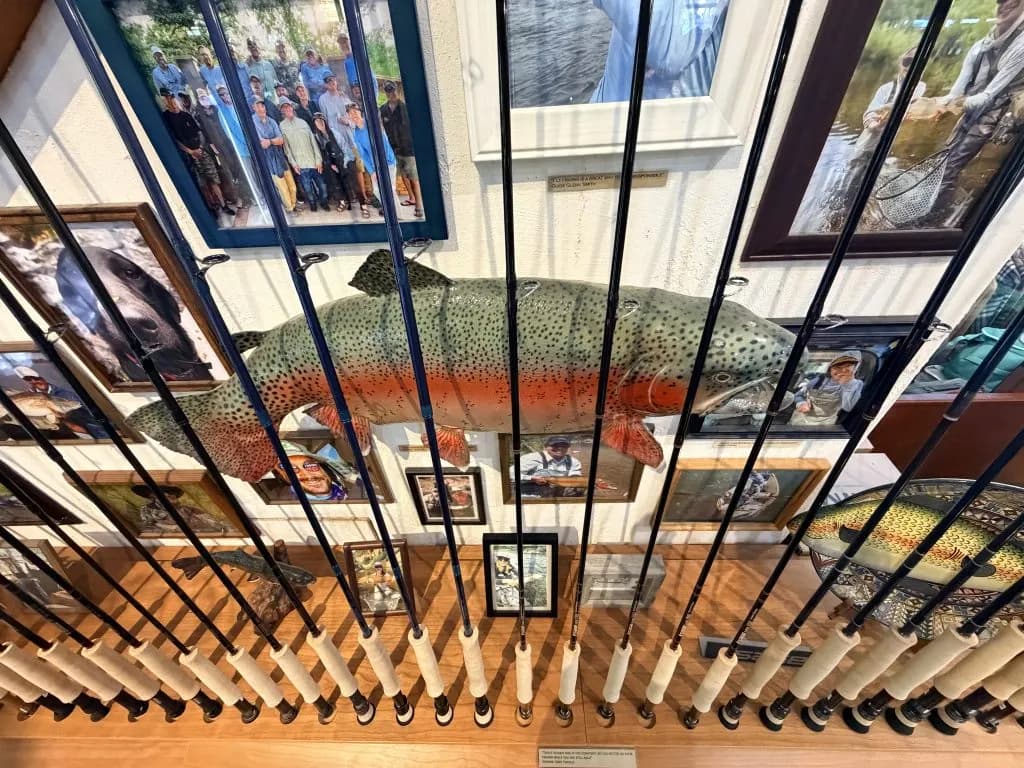
Aspen —The confusion starts before you even step onto the water. It begins in the dim, climate-controlled aisles of a fly shop, surrounded by rows of rods that look identical until you pick them up and realize they cost as much as a used car. For the uninitiated, the sheer volume of options — weights, lengths, actions, tapers — can feel like a barrier to entry rather than an invitation to fish.
Most locals would love to help you cut through the noise. You just have to visit a few shops and watch their patience thin as they explain that no, you don’t need a custom-built, hand-cast rod to catch trout in the Roaring Fork Valley.
The truth is, you can keep it simple. Or you can make it as complicated as you want.
According to a recent report from the Aspen Times, the answer for most people starting out is overwhelmingly simple. The recommendation is specific: a 9-foot, 5-weight rod. That’s it. That single piece of equipment covers ponds, lakes, creeks, streams, and rivers across the Rocky Mountain West.
"Five weights can effectively fish dry flies, nymphs and streamers with ease," the report notes.
It’s a pragmatic approach to a sport that often feels like it requires a degree in physics. Most rods these days are “fast action,” meaning they are stiff rather than soft and flexible. For a novice learning the different casts required for various techniques, a medium to fast action rod is perfect. It forgives mistakes. It doesn’t demand perfection on day one.
New fly anglers always ask about the reel. They worry about balance. They worry about size. The advice is straightforward: match the reel to the rod. It comes in many different sizes, and most local fly shops can advise you on the proper selection. You don’t need to guess. You just need to ask.
Then there’s the line. Fly lines are even more complicated than rods, which is why the advice is to ignore the complexity. Select a weight-forward floating line in the proper weight. If your rod is a five, your line is a five. Yes, there are intermediate sinking options. There are full sinking options. There are plenty of other options that will sit on your shelf gathering dust for years. But a floating line is really all you need to get started.
Once you master the basics, the urge to complicate things will return. You’ll want a soft, light 2-weight for small streams and small fish. You’ll want a heavier 6 or 7-weight for throwing large, heavy flies from a boat. But at first, stick to the “rule of five.”
Choose a 5-weight rod and reel. Choose a 5-weight line. Choose a 5x leader and tippet.
This guidance comes from Taylor Creek Fly Shops, which provides this report every week from their locations in Aspen and Basalt. They can be reached at 970-927-4374 or online at TaylorCreek.com.
It’s not about buying the best gear. It’s about buying the right gear for the water in front of you. And in the Roaring Fork Valley, that water is waiting for a 5-weight rod.
Keep up with Aspen
The day's Western Slope news, one email each morning. Free.