Ted Turner Dies at 87 After Launching CNN and Buying the West
Ted Turner, the brash television pioneer who launched CNN and acquired millions of acres in the American West, has died at age 87. CNN confirmed the death Wednesday, citing a Turner Enterprises news release.
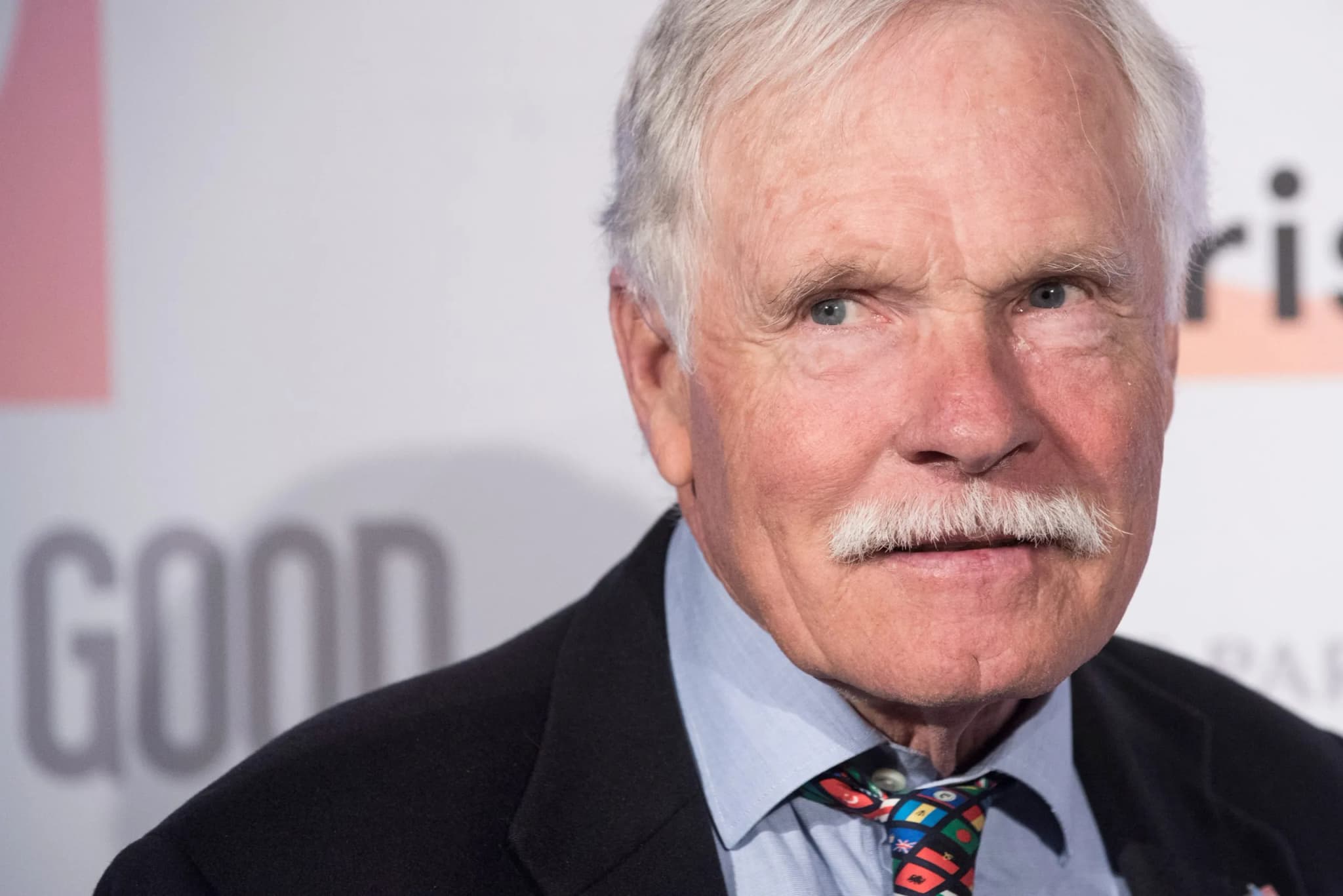
Colorado —A $1 billion donation. That’s the figure Turner gave to United Nations charities, a sum that dwarfs the entire annual budget of most Western Slope school districts combined.
Ted Turner, the brash television pioneer who launched CNN in 1980 and turned his late father’s billboard empire into a global media conglomerate, has died at age 87. CNN confirmed the death Wednesday, citing a Turner Enterprises news release.
The man known as “Captain Outrageous” and “The Mouth of the South” didn’t just build a news network. He owned huge chunks of the American West. More than two million acres of it. That includes the nation’s largest bison herd, a fact that matters more to locals than his marriage to actress Jane Fonda, though that union was certainly the most public.
Turner’s impact on how we consume information was revolutionary. Before 1980, news came at specific times. The big three networks — ABC, CBS, NBC — went off the air at 11 p.m. Turner worked past 8 p.m., often in bed by the time local stations started their own broadcasts. He was frustrated by the schedule. He wanted consumers to decide when they learned what was going on in the world.
He took a risk. He started CNN in the early days of cable television, sometimes derided as the “chicken noodle network.” He lived in an apartment above its Atlanta office. He hit hard and moved fast. The major broadcast networks didn’t have the imagination to respond quickly enough.
The breakthrough came during the Gulf War in 1991. Most journalists fled Baghdad, warned of an imminent American attack. CNN stayed. They captured arresting images of war’s outbreak, anti-aircraft tracers streaking across the sky, correspondents flinching from the concussion of bombs. It was live, it was raw, and it changed everything.
Turner was slowed in his later years by Lewy Body Dementia. He had long since left the television business, concentrating instead on philanthropy and his massive land holdings. He owned professional sports teams in Atlanta. He defended the America’s Cup in yachting in 1977.
By the time he sold Turner Broadcasting System to Time Warner Inc. in a 1996 media megadeal, he had transformed a local billboard company into a global entity. It included seven major cable networks, three professional sports teams, and a pair of hit movie studios.
His garrulous personality sometimes overshadowed his driven, risk-taking business acumen. He once bragged, “If only I had a little humility, I’d be perfect.”
For context, consider the scale of his real estate portfolio. Two million acres is roughly 3,125 square miles. That’s an area larger than the state of Rhode Island. He didn’t just invest in the West; he owned a significant portion of its ecological and economic future.
The practical impact of Turner’s death is less about the immediate financial markets and more about the legacy of the infrastructure he built. CNN remains a dominant force in global news, a direct result of his decision to stay in Baghdad when others left. The $1 billion donation to UN charities represents a specific allocation of wealth that continues to support development and health initiatives worldwide.
Turner’s story is one of aggressive expansion. He didn’t wait for permission. He didn’t wait for the big networks to catch up. He built the thing he wanted to see, lived above the office to save money, and forced the industry to adapt to his timeline.
He died Wednesday. The news network he built continues to broadcast. The land he owned continues to graze bison. The money he donated continues to flow.
There’s no ceremony for the end of an era like this. Just a man who moved fast, and now, he’s gone.
Keep up with Colorado
The day's Western Slope news, one email each morning. Free.


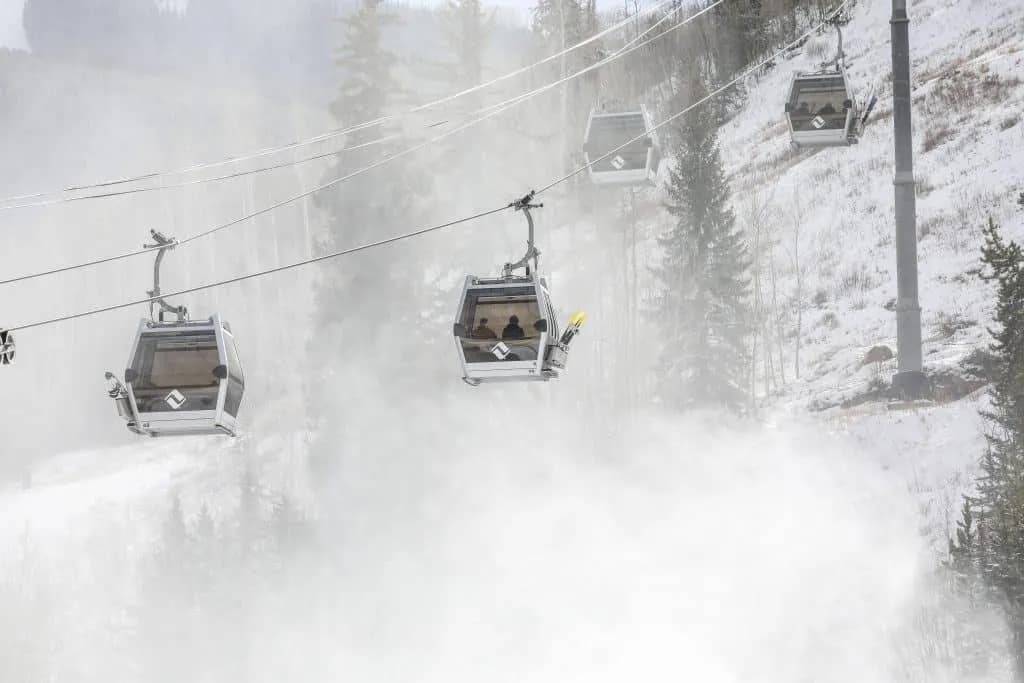
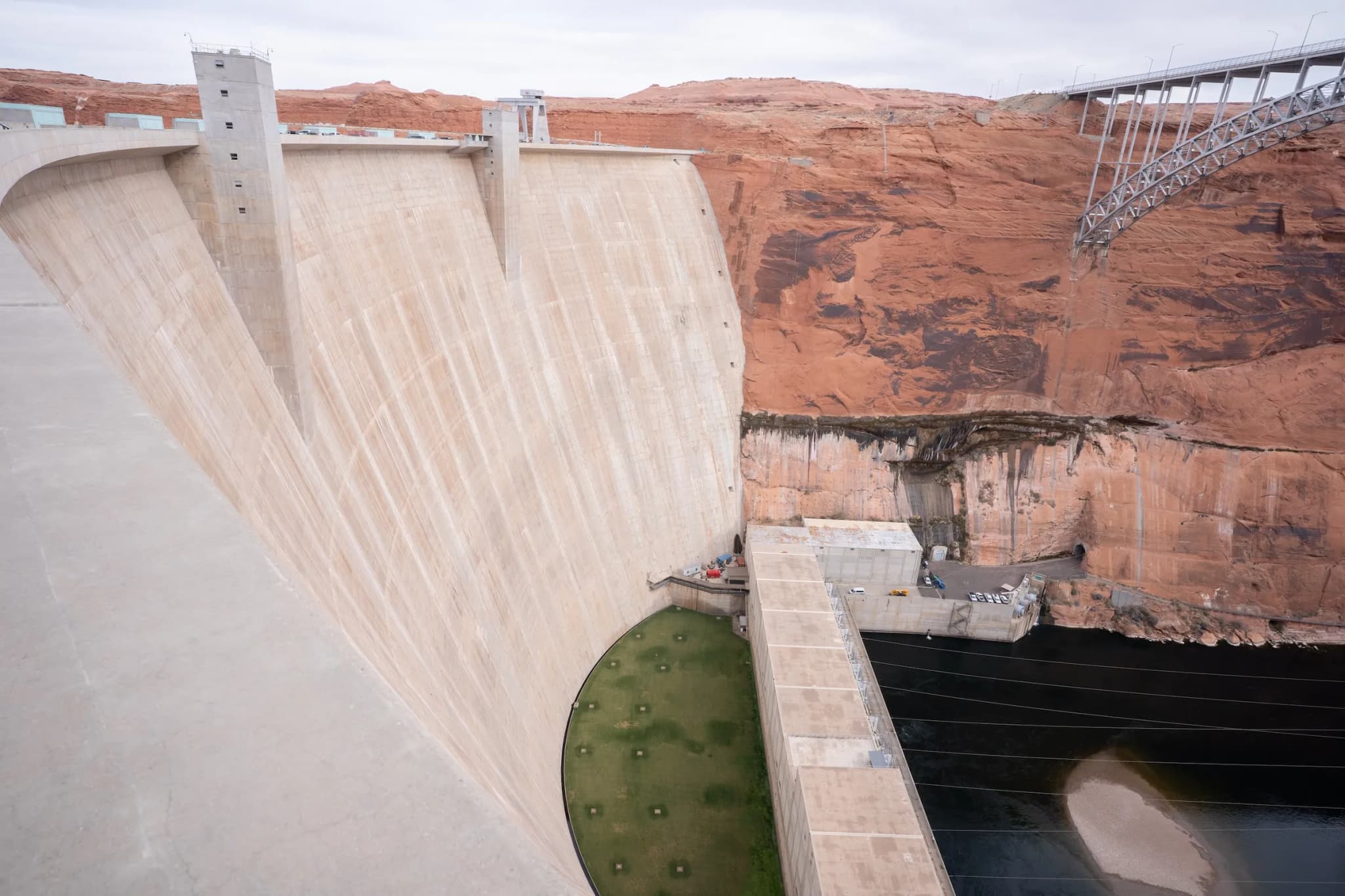
Federal Report Sets 200,000 Acre-Foot Water Conservation Target for Upper Basin
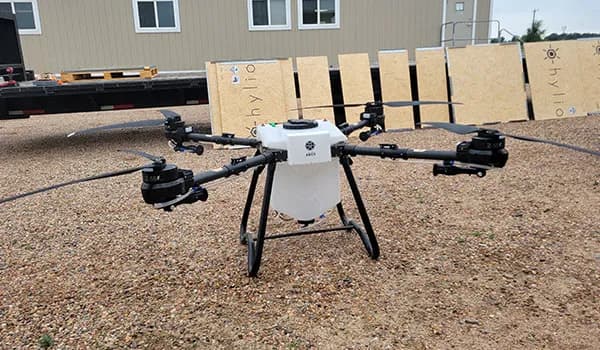
Colorado Parks and Wildlife Deploys Precision Drones for Weed Control